

Are you dreaming of an unforgettable adventure amidst breathtaking landscapes? Sapa, Vietnam, offers an unparalleled trekking experience that combines stunning natural beauty with rich cultural immersion. This complete guide will equip you with all the essential information to plan your perfect Sapa trek in 2026, ensuring you discover the best hiking routes, insider tips, and unforgettable moments.
Introduction to Sapa Trekking
Overview of Sapa
Sapa is a mesmerizing town nestled in the Hoàng Liên Son Mountains of Lào Cai Province in Northwest Vietnam, close to the Chinese border. It’s renowned for its dramatic landscapes, featuring cascading terraced rice fields that hug the contours of the mountains, lush valleys, and vibrant ethnic minority villages. The region’s cool climate, a welcome escape from the heat of Southeast Asia, makes it an ideal destination for trekkers seeking adventure and natural beauty. Exploring Sapa offers a deep dive into traditional ways of life.
Why Choose Sapa for Trekking?
Choosing Sapa for trekking offers an unparalleled experience, especially in 2026, as it continues to evolve as a premier destination for trekkers. The region is famous for its stunning rice terraces, verdant valleys, and the opportunity to interact with diverse ethnic minority groups like the Hmong and Red Dao. A Sapa trek is more than just a hike; it’s a cultural journey through picturesque villages such as Lao Chai and Ta Van, providing unique insight into local customs and traditions, often culminating in an authentic homestay experience.
What to Expect on a Sapa Trek
When embarking on a Sapa trek, expect to be immersed in some of Vietnam’s most spectacular scenery. Your trekking itinerary will likely take you through winding paths, past brilliant green rice fields, and into the heart of the Muong Hoa Valley. A local guide, often from the Hmong or Red Dao communities, will lead you, sharing invaluable insights into the local culture and the surrounding environment. Be prepared for varying terrain, from gentle slopes to more challenging ascents, making appropriate hiking boots essential for a comfortable and rewarding trekking experience.
Popular Sapa Trekking Routes
Muong Hoa Valley Trek
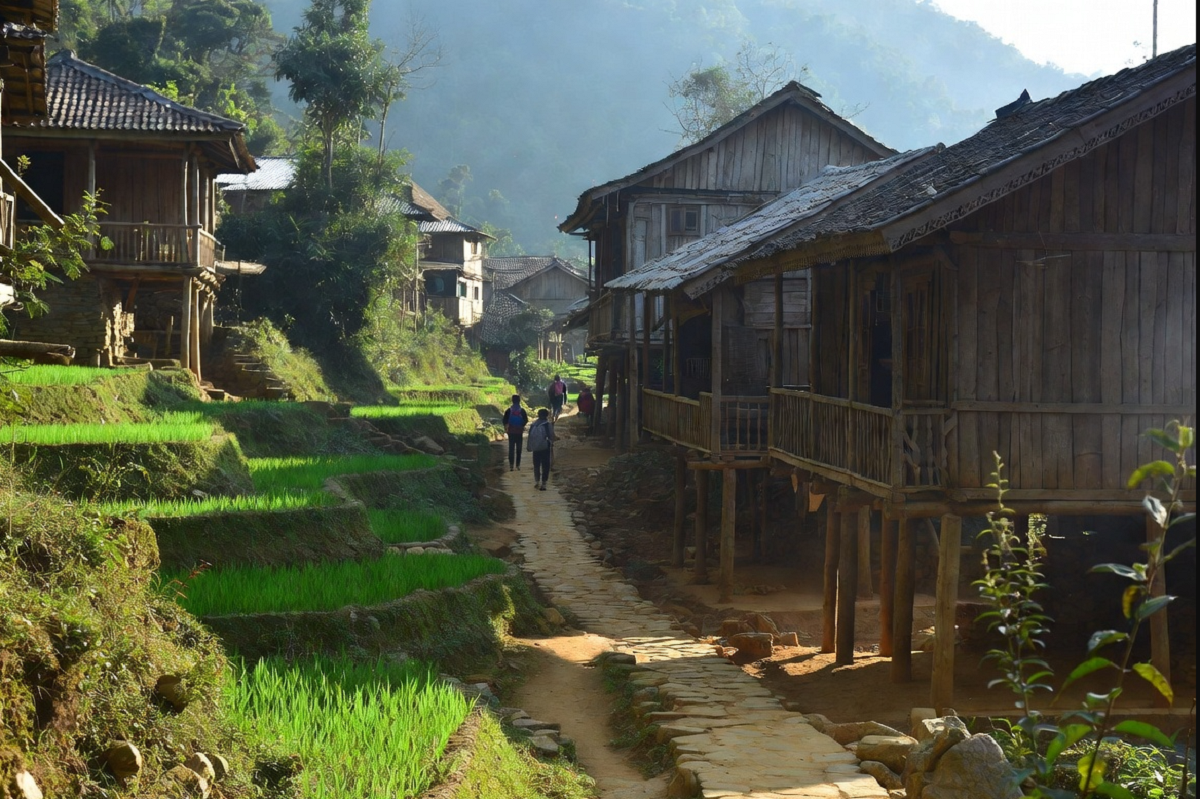
The Muong Hoa Valley trek is one of the most celebrated and scenic trekking routes in Sapa, Vietnam, offering trekkers an unparalleled opportunity to immerse themselves in the region’s natural beauty and cultural richness. This popular trekking route typically begins in Sapa town and winds its way through lush rice terraces, passing by several ethnic minority villages such as Lao Chai and Ta Van. A local guide, often from the Hmong or Red Dao communities, is highly recommended for this trek, as they can provide invaluable insights into the local way of life and help navigate the often-challenging terrain, ensuring a truly authentic and safe Sapa trek experience.
Lao Chai to Ta Van Trek
The trek from Lao Chai to Ta Van is a quintessential Sapa trekking experience, allowing trekkers to delve deep into the heart of the Muong Hoa Valley. This particular trekking route is renowned for its breathtaking views of the cascading rice fields and offers a unique opportunity to interact with the Hmong and Red Dao people who inhabit these picturesque villages. Many Sapa trekking tours incorporate an overnight homestay in Ta Van, providing an intimate glimpse into the daily lives of the local communities and an unforgettable cultural immersion, complete with traditional meals and even herbal baths. It’s a highlight for any trekking itinerary in Sapa.
Hiking Trails through Rice Fields
Sapa is synonymous with its magnificent rice fields, and numerous hiking trails crisscross these verdant landscapes, offering trekkers diverse options for exploration. These trails, often carved by generations of ethnic minority farmers, provide stunning views of the terraced rice fields that define the Sapa landscape. Whether you opt for a leisurely day trek or a more challenging multi-day adventure, walking through these iconic rice fields is an essential part of the Sapa experience. It allows for intimate encounters with local agricultural practices and offers endless photographic opportunities, making it a favorite for every trekker visiting Sapa, Vietnam.
Trekking Without a Guide
Benefits of Trekking Without a Guide
Embarking on a trek in Sapa without a guide offers a unique sense of freedom and adventure, allowing trekkers to set their own pace and explore at their leisure. This approach provides a more intimate connection with the stunning landscapes of the Muong Hoa Valley and the surrounding terraced rice fields, away from the structured itinerary of a typical trekking tour. It’s an excellent option for experienced trekkers who prefer a self-guided adventure through the picturesque villages, fostering a deeper personal discovery of Sapa, Vietnam, and its rich cultural tapestry.
Tips for Navigating Sapa on Your Own
For those planning to trek in Sapa without a guide, thorough preparation is paramount to ensure a safe and enjoyable trekking experience. It’s advisable to carry detailed maps or use reliable offline GPS applications, especially when navigating through less-traveled hiking trails around Sapa. Familiarize yourself with common trekking routes, such as those leading through Lao Chai and Ta Van, and always inform someone of your planned itinerary. Engaging with locals in the villages for directions, even without a formal guide, can be incredibly helpful and provide unique insights into the region.
Safety Considerations
While trekking without a guide offers unparalleled freedom, safety should always be a primary concern, especially in a region like Sapa where terrain can be unpredictable, particularly during heavy rain. Always check weather forecasts before setting out on your trek in Sapa and ensure you have appropriate gear, including sturdy hiking boots and waterproof clothing. Be mindful of your fitness level, as some hiking trails can be challenging. It’s also wise to carry a fully charged phone and a portable power bank for emergencies, ensuring you can call for assistance if needed during your self-guided adventure in Vietnam.
Accommodation Options in Sapa
Homestays in Sapa
Homestays in Sapa offer an incredibly enriching and authentic cultural immersion, allowing trekkers to live alongside local ethnic minority families, such as the Hmong and Red Dao, in picturesque villages like Lao Chai and Ta Van. This form of accommodation goes beyond just a place to sleep; it provides a unique opportunity to experience traditional daily life, share meals, and learn about local customs firsthand. Choosing a homestay is often a highlight for many visitors to Sapa, creating unforgettable memories and a deeper connection to the community and the stunning terraced rice fields.
Best Places to Stay in Sapa
When considering the best places to stay in Sapa, options range from vibrant Sapa Town to tranquil villages nestled within the Muong Hoa Valley. For those seeking convenience and access to amenities, Sapa Town offers a variety of hotels and guesthouses. However, for an authentic trekking experience, staying in a homestay in villages like Ta Van, Lao Chai, or even Ta Phin provides unparalleled access to the rice fields and deeper cultural immersion with the local Hmong and Red Dao communities. Each offers a unique perspective of Sapa, Vietnam, catering to different preferences for an unforgettable time in Sapa.
Booking Tips for Sapa Accommodation
To secure the best accommodation for your Sapa trek, especially during peak seasons, it is highly advisable to make your booking well in advance. Whether you prefer the bustling atmosphere of Sapa Town or the serene tranquility of a homestay in a remote village like Ta Van, early planning ensures availability and often better rates. Utilize reputable online booking platforms or consider reaching out to local trekking companies, such as Sapa Sisters, who can often arrange authentic homestays as part of a complete trekking tour in Sapa, ensuring a seamless and enriching experience in the heart of the rice fields.
Essential Tips for Hiking in Sapa
Packing Essentials for Sapa Treks
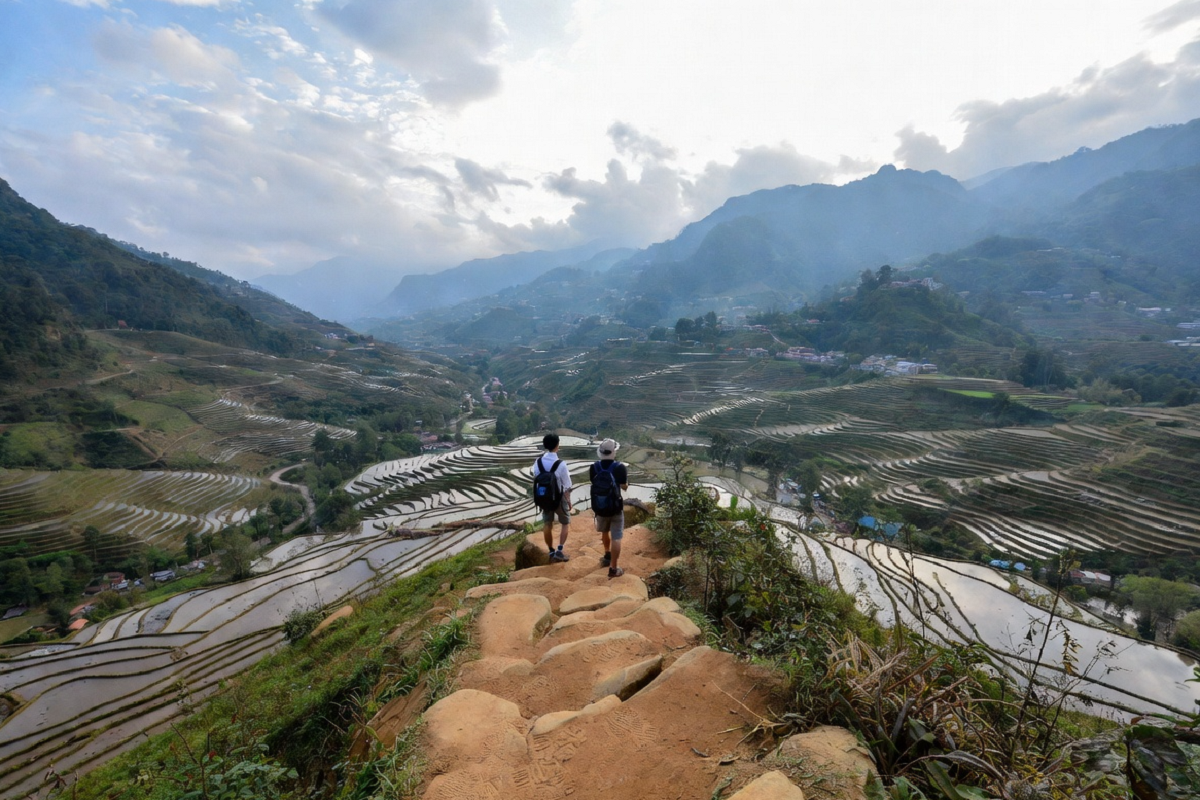
When preparing for a trek in Sapa, careful consideration of packing essentials is crucial to ensure a comfortable and safe trekking experience. Sturdy hiking boots are paramount, as the trekking routes can be slippery and uneven, especially through the terraced rice fields and bamboo forest. Additionally, waterproof clothing is highly recommended given Sapa’s unpredictable weather, which can include heavy rain. A day pack, refillable water bottle, sun protection, and insect repellent should also be on your checklist. Don’t forget a portable power bank for your devices, as electricity can be unreliable in some remote villages.
Best Times to Trek in Sapa
Choosing the best time for your trek in Sapa significantly enhances the overall trekking experience. The spring months, from March to May, offer pleasant weather and vibrant green rice fields, while autumn, from September to November, presents the iconic golden rice terraces ready for harvest. These periods avoid the intense summer heat and the cold, misty winters, making them ideal for exploring the Muong Hoa Valley and its picturesque villages. Planning your trek around these times ensures comfortable temperatures and breathtaking scenery, perfect for any trekker wishing to immerse themselves in Sapa, Vietnam.
Common Questions About Hiking in Sapa
Many trekkers planning their hiking in Sapa adventure often inquire about various aspects of the journey. Common questions include whether a local guide is necessary, especially for those considering a trek in Sapa without a guide. While it’s possible to trek independently, a guide in Sapa provides invaluable cultural insights and navigation expertise, particularly through less-traveled hiking trails and remote villages. Another frequent query relates to accommodation, with homestays in villages like Lao Chai and Ta Van being a popular choice for an authentic experience. Concerns about fitness level and the difficulty of specific trekking routes, such as those near Fansipan, are also common.
Conclusion
Recap of Sapa Trekking Highlights
Recapping the highlights of a Sapa trek truly underscores its allure as a premier trekking destination in Vietnam. From traversing the stunning terraced rice fields of the Muong Hoa Valley to engaging with the Hmong and Red Dao communities in picturesque villages like Lao Chai and Ta Van, every step offers a unique cultural immersion. The opportunity for an authentic homestay, sharing meals and stories with local families, remains a profound highlight. Whether embarking on a multi-day Sapa trek with a local guide or a challenging ascent towards Fansipan, the memories created amidst Sapa’s breathtaking landscapes are truly unforgettable.
Encouragement to Explore Sapa
We strongly encourage every adventurer to explore Sapa and embark on their own unforgettable trek in Sapa, Vietnam. Beyond the stunning rice terraces and dramatic valleys, the warmth and hospitality of the ethnic minority communities, particularly in villages like Cat Cat and Ta Phin, offer a profound cultural experience unlike any other. Whether you choose a guided trekking tour for deeper insights or opt for a self-guided exploration through the myriad of hiking trails, Sapa promises an enriching journey. Allow yourself time in Sapa to truly disconnect and immerse in its natural beauty and vibrant heritage.
Final Thoughts on Trekking in Sapa
In final thoughts, trekking in Sapa is more than just a physical journey; it’s a transformative experience that captures the heart and soul of Vietnam’s mountainous north. From the meticulous planning of your itinerary, including securing comfortable accommodation and considering your fitness level, to the actual traverse of the mesmerizing rice fields and the interaction with the Hmong and Red Dao people, every element contributes to a complete guide for an unparalleled adventure. Whether you choose a day trek or a more extensive exploration with a trekking group, Sapa invites you to discover its unique charm, leaving an indelible mark on every trekker.
