

Embark on an unforgettable journey to Sapa, Vietnam, where breathtaking landscapes meet vibrant local cultures. This guide delves into how you can experience the best of Sapa through sustainable travel and responsible trekking, ensuring your adventure contributes positively to this stunning region.
Understanding Sapa’s Natural Beauty
Sapa’s allure lies in its unparalleled natural beauty, drawing adventurers and nature enthusiasts from around the globe. This mountainous region in northern Vietnam offers a captivating blend of mist-shrouded peaks, lush valleys, and intricate rice terraces, creating a serene and picturesque backdrop for any travel experience. Understanding and appreciating this unique environment is the first step towards embracing sustainable tourism and ensuring its preservation for future generations.
The Landscape of Sapa
The landscape of Sapa is characterized by dramatic mountains, deep valleys, and winding rivers, all contributing to its majestic charm. Every vista in Sapa presents an opportunity for an eco-friendly adventure, from serene waterfalls cascading down verdant slopes to the intricate patterns of the terraced rice fields that define this region. This natural beauty is what makes trekking in Sapa such a popular and rewarding experience for those who appreciate the outdoors and seek a profound connection with nature.
Rice Terraces: A Cultural Treasure
The iconic rice terraces of Sapa are not just a magnificent display of sustainable agriculture, but also a profound cultural treasure, meticulously carved into the hillsides by local ethnic minorities over generations. These terraced rice fields are a testament to human ingenuity and a vital part of the local culture, providing sustenance and a unique aesthetic that defines the region. Opting for a homestay near these rice fields offers a truly immersive experience into the daily lives and traditions of the local families, enhancing your understanding of their cultural heritage.
Exploring Northern Vietnam’s Ecosystems
Northern Vietnam’s ecosystems, particularly around Sapa, are incredibly diverse and rich, offering a wealth of biodiversity waiting to be explored. Engaging in ethical trekking and sustainable practices is paramount to minimizing your environmental impact and supporting local efforts to conserve these precious habitats. From the unique flora and fauna that thrive in the mountains to the delicate balance of the rice fields, understanding and respecting these ecosystems is a cornerstone of responsible tourism and eco-friendly adventures in Sapa.
Principles of Sustainable Tourism in Sapa
What is Sustainable Travel?
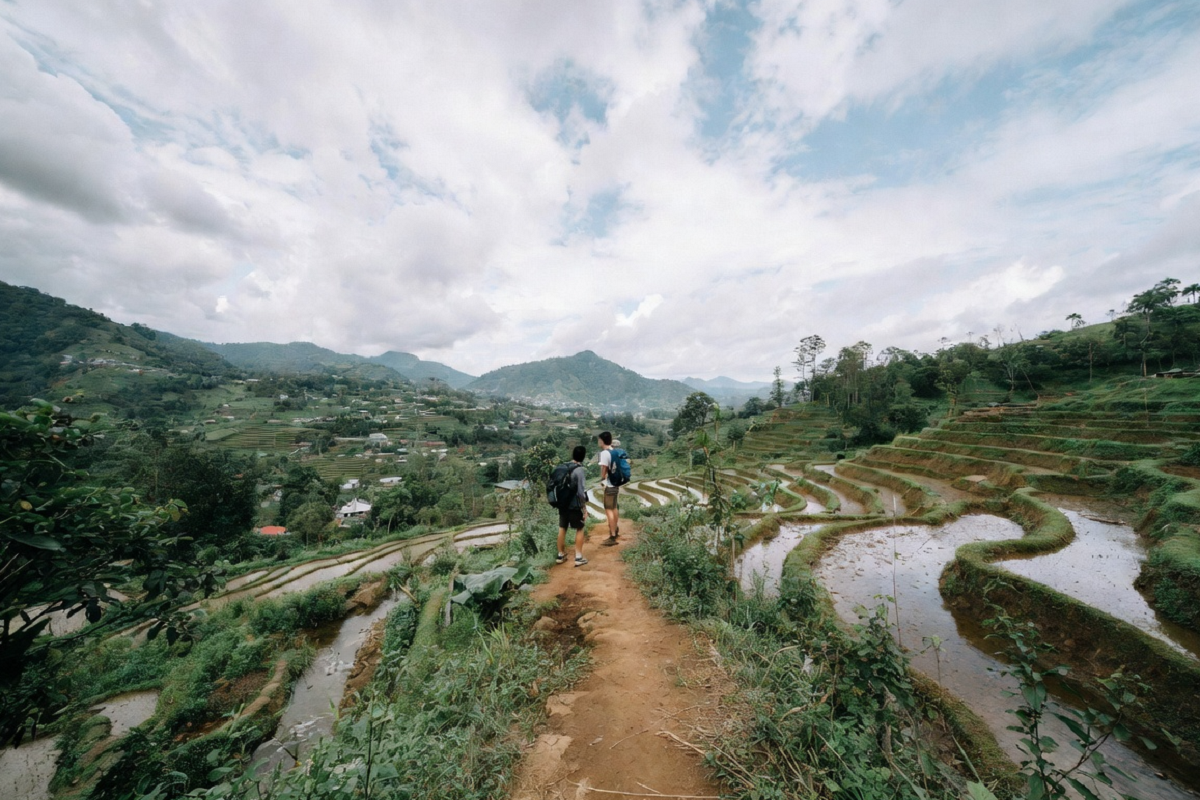
Sustainable travel in Sapa embodies an ethos of minimizing environmental impact and supporting local communities, allowing adventurers to experience the stunning landscapes and rich cultural heritage responsibly. It is about choosing sustainable practices that preserve the natural beauty of Sapa, from its terraced rice fields to its pristine waterfalls, ensuring that the benefits of tourism are shared equitably with the local families and ethnic minorities. This approach fosters a deeper respect for the destination and its people.
The Importance of Responsible Travel
Responsible travel is paramount in Sapa to safeguard its unique charm and cultural integrity. By engaging in responsible tourism, travelers can significantly reduce their environmental impact and support local communities, directly contributing to the well-being of the ethnic groups and the preservation of the delicate ecosystems of Northern Vietnam. Choosing sustainable tourism practices, such as ethical trekking and opting for a homestay, ensures that your travel experience positively impacts Sapa’s future.
Ethos of Eco-Friendly Adventures
The ethos of eco-friendly adventures in Sapa revolves around a deep respect for both the natural environment and the local culture. This means actively seeking opportunities to support local artisans, engaging local guides, and participating in community-based tourism initiatives. By trekking responsibly and choosing community-based homestays, adventurers can gain a truly authentic cultural immersion while ensuring their visit helps sustain the terraced rice fields and the vibrant traditions of Sapa’s ethnic minorities.
Planning Your Trek in Vietnam
Choosing the Right Trekking Routes
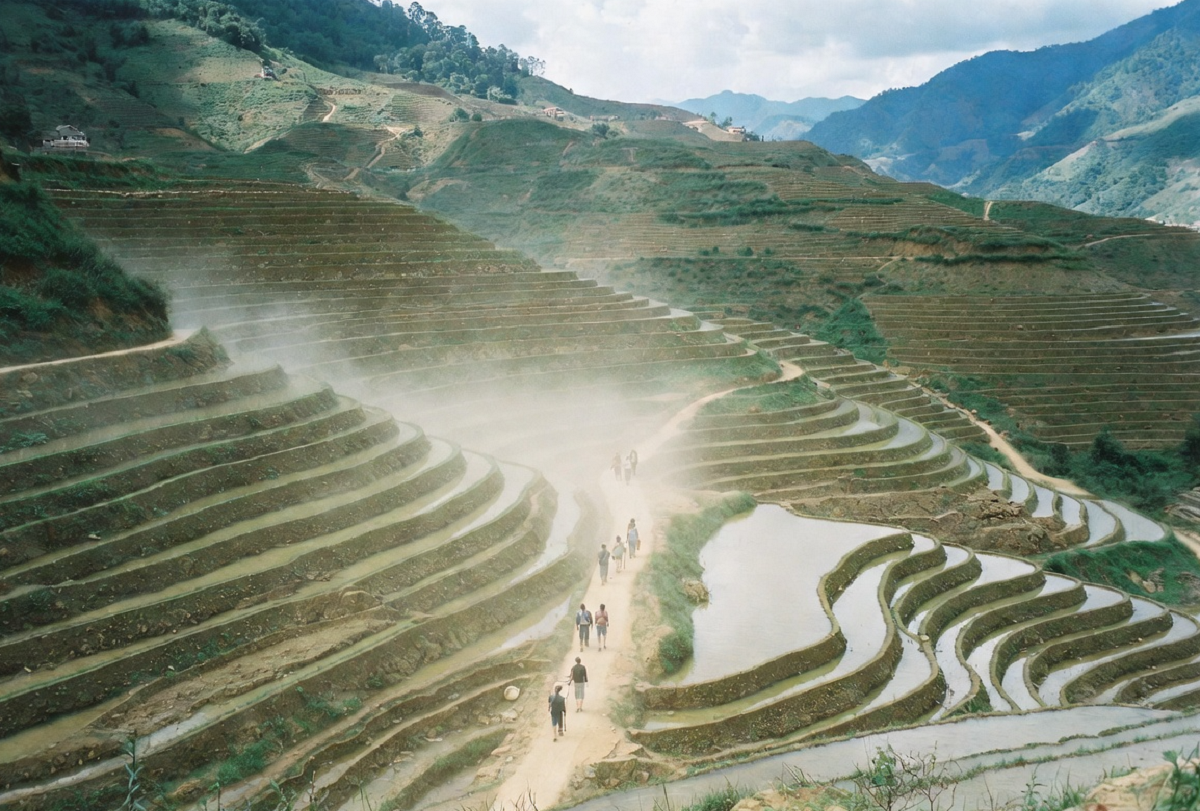
When planning your trek in Vietnam, especially around the Sapa region, choosing the right routes is crucial for a fulfilling and responsible travel experience. Adventurers should seek paths that not only showcase the stunning landscapes and natural beauty of the area but also minimize environmental impact and support local communities. Opting for ethical trekking routes often means selecting those that are less frequented or guided by local guides who possess invaluable knowledge of the terrain and the local culture. This approach ensures a more authentic and sustainable trek.
Essential Gear for Responsible Trekking
Equipping yourself with the essential gear for responsible trekking in Vietnam is paramount for a safe and sustainable adventure. Beyond basic items, consider gear that supports the ethos of eco-friendly adventures, such as reusable water bottles, minimal packaging, and durable clothing designed for multiple uses. This approach helps reduce your environmental impact and ensures you can trek responsibly through the terraced rice fields and alongside pristine waterfalls. Choosing sustainable practices in your gear selection aligns perfectly with the principles of sustainable tourism and responsible travel in Sapa.
Respecting Local Ethnic Minorities
Respecting local ethnic minorities is a cornerstone of responsible tourism and an essential part of your trek in Vietnam. When engaging with these communities, particularly during a homestay or while navigating through their villages, it is vital to understand and respect their local culture and traditions. This mutual respect fosters positive cultural immersion, strengthening the bond between travelers and local families. By consciously choosing sustainable tourism practices, adventurers can contribute to preserving the cultural heritage of these ethnic groups and support local initiatives that empower them.
Community-Based Tourism in Sapa
Homestays: Immersing in Local Culture
Opting for a homestay in Sapa offers an unparalleled opportunity for cultural immersion, allowing adventurers to truly experience the local culture firsthand. These community-based tourism initiatives provide unique insight into the daily lives of local families and ethnic minorities, far beyond what traditional hotels can offer. By staying in a homestay, travelers directly support local communities and contribute to their economic well-being, reinforcing the principles of sustainable tourism and responsible travel in this stunning part of Northern Vietnam.
Supporting Ethical Trekking Initiatives
Supporting ethical trekking initiatives is vital for ensuring the longevity of Sapa’s natural beauty and the well-being of its ethnic minorities. These initiatives, often run by local guides, prioritize minimizing environmental impact and directly benefit local communities by providing fair wages and preserving traditional ways of life. By choosing sustainable practices and participating in community-based tourism, adventurers not only enjoy an authentic trek in Vietnam but also contribute to a responsible tourism model that safeguards the stunning landscapes and rich cultural heritage of the region.
Engaging with Local Communities
Engaging with local communities is at the heart of responsible tourism and community-based tourism in Sapa, enriching your travel experience profoundly. This means actively seeking opportunities to support local artisans, participate in cultural exchanges, and learn about the sustainable agriculture practices that define the terraced rice fields. By fostering genuine connections and respecting local culture, adventurers contribute positively to the lives of local families and ethnic groups, ensuring their visit helps sustain the vibrant cultural heritage and natural beauty of Sapa.
