

This comprehensive Sapa travel guide 2026 is your ultimate resource for planning an unforgettable adventure to one of Northern Vietnam’s most enchanting destinations. From breathtaking rice terraces to vibrant ethnic minority cultures, Sapa offers a unique blend of natural beauty and authentic experiences that will captivate every traveler.
Introduction to Sapa
Overview of Sapa
Sapa, often referred to as the “Town of Clouds,” is a captivating mountain town nestled in theang Lien Son Mountains of Northern Vietnam, near the border with China. Renowned for its dramatic landscapes, particularly the terraced rice fields that cascade down the valleys, Sapa is a magnet for trekkers and nature enthusiasts. The region is home to several distinct ethnic minority groups, including the Hmong, Dao, and Tay, whose rich cultures and traditions are an integral part of the Sapa experience.
Why Visit Sapa in 2026?
Visiting Sapa in 2026 offers a unique opportunity to experience this magnificent region with potentially enhanced infrastructure and even more refined travel experiences. As Vietnam continues to develop its tourism, Sapa remains a premier destination for those seeking genuine cultural immersion and stunning natural beauty. Planning your Sapa itinerary for 2026 allows for ample time to arrange homestays and guided treks, ensuring an authentic encounter with the local culture and the mesmerizing scenery of the Muong Hoa Valley.
Key Attractions in Sapa
Sapa boasts an array of attractions that cater to diverse interests. Foremost among them are the iconic rice terraces that dominate the landscape, especially beautiful during the planting and harvesting seasons. Other significant points of interest include:
- Fansipan, the highest mountain in Vietnam, accessible by cable car for breathtaking panoramic views
- The vibrant Cat Cat Village, offering insights into Hmong traditions
- The bustling Sapa Market
- The serene Silver Waterfall
These are all highly recommended for a truly memorable travel experience in Sapa.
Getting to Sapa
Transportation Options from Hanoi
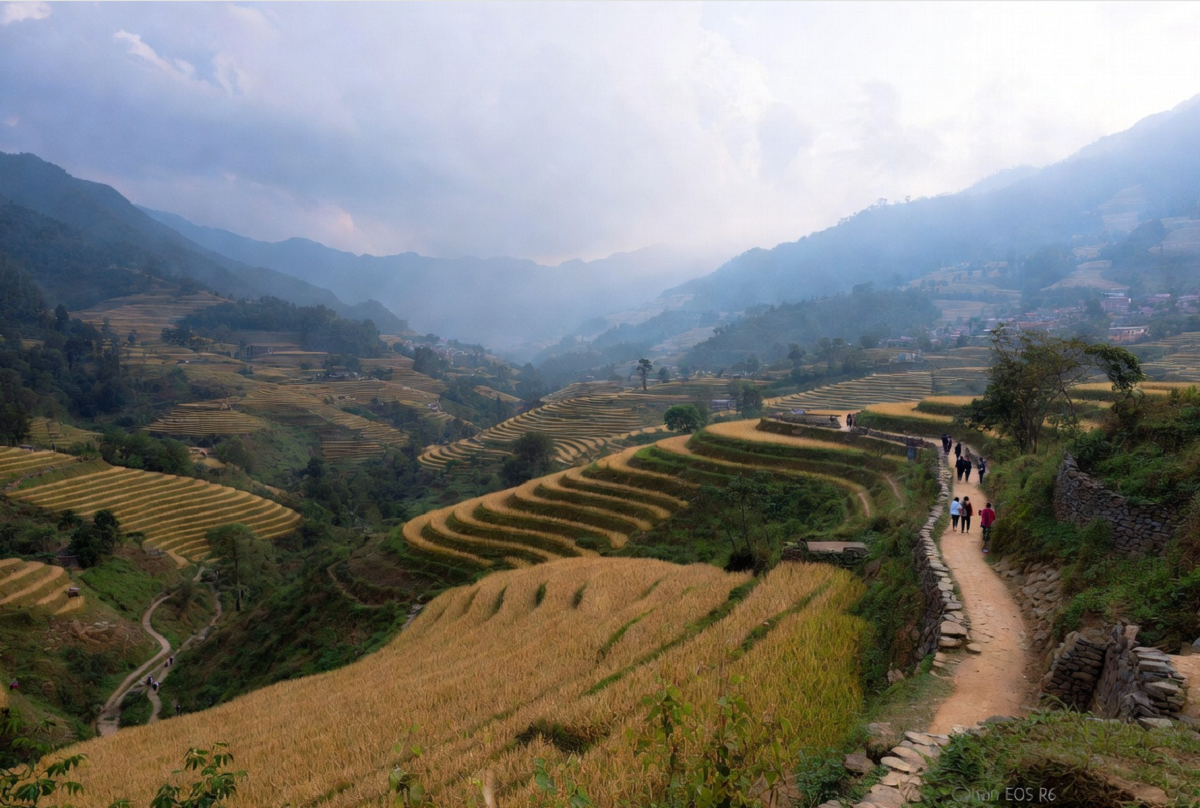
Reaching Sapa from Hanoi, the capital of Vietnam, offers several transportation options, each providing a unique travel experience. The most popular choice is the overnight train from Hanoi to Lao Cai, followed by a scenic bus or taxi ride for the remaining 35 kilometers to Sapa town. Alternatively, comfortable sleeper buses run directly from Hanoi to Sapa, offering a more direct route and often a cost-effective solution for those looking to reach Sapa efficiently. For those seeking speed and convenience, private cars or vans can also be arranged, ensuring a personalized journey to explore Sapa and its breathtaking mountain scenery.
Best Time to Visit Sapa
The best time to visit Sapa largely depends on what you wish to experience. For trekking and capturing the iconic rice terraces at their most vibrant, the months from September to October are ideal, as the rice fields turn golden before harvest, offering unparalleled views across the Muong Hoa Valley. Alternatively, spring, from March to May, brings comfortable temperatures and blooming flowers, making it a pleasant time to explore Sapa. However, clear days can be unpredictable, and while July 2026 might offer lush green landscapes, it is also within the rainy season, which can impact visibility and trekking conditions around Sapa.
Travel Tips for First-Time Visitors
For first-time visitors planning their Sapa travel guide 2026, several travel tips can enhance the experience. It is highly recommended to book homestays or accommodations in advance, especially during peak seasons, to secure your preferred stay in Sapa. Hiring a local guide for treks through the ethnic minority villages like Cat Cat Village, Lao Chai, and Ta Van offers invaluable insights into the local culture and ensures a real Sapa experience, often leading to hidden gems. Always carry appropriate gear for trekking, including comfortable shoes and rain protection, as the weather in Sapa can change rapidly. Do not forget to explore the Sapa market and consider a visit to the Love Waterfall or Silver Waterfall for a truly memorable time in Sapa.
Best Things to Do in Sapa
Exploring Cat Cat Village
Exploring Cat Cat Village is undoubtedly one of the best things to do in Sapa, offering a profound glimpse into the traditional way of life of the Black Hmong ethnic minority group. Located just a few kilometers from Sapa Town, this picturesque village is nestled at the base of a stunning valley, surrounded by lush rice terraces and cascading waterfalls. A visit to Cat Cat Village provides an opportunity to witness traditional crafts, interact with locals, and understand the intricate customs that define the Hmong culture, making it an essential part of any Sapa itinerary for an authentic Vietnam travel experience.
Adventures in Muong Hoa Valley
The Muong Hoa Valley is a jewel of Sapa, renowned for its breathtaking beauty and serving as a prime location for trekking and exploration. This expansive valley, stretching between Sapa Town and the surrounding mountains, is adorned with iconic rice terraces that shift in color with the seasons, from vibrant green to golden yellow. Adventures in Muong Hoa Valley often involve guided treks through villages like Lao Chai and Ta Van, offering intimate homestays and opportunities to immerse oneself in the local culture of various ethnic minority groups, capturing the real Sapa experience amidst stunning mountain scenery.
Trekking in Sapa: A Guide
Trekking in Sapa is a quintessential activity, allowing visitors to deeply engage with the region’s natural splendor and local culture. A Sapa travel guide 2026 would highlight numerous trekking routes, ranging from easy strolls to challenging multi-day excursions. Whether you choose to trek independently or with a local guide, navigating the rice fields, bamboo forests, and traditional villages like Cat Cat, Lao Chai, and Ta Van offers unparalleled views and authentic interactions. Proper preparation, including suitable footwear and an understanding of the weather, ensures a safe and memorable time in Sapa’s diverse landscapes.
Top Attractions Around Sapa
Fansipan: The Roof of Indochina
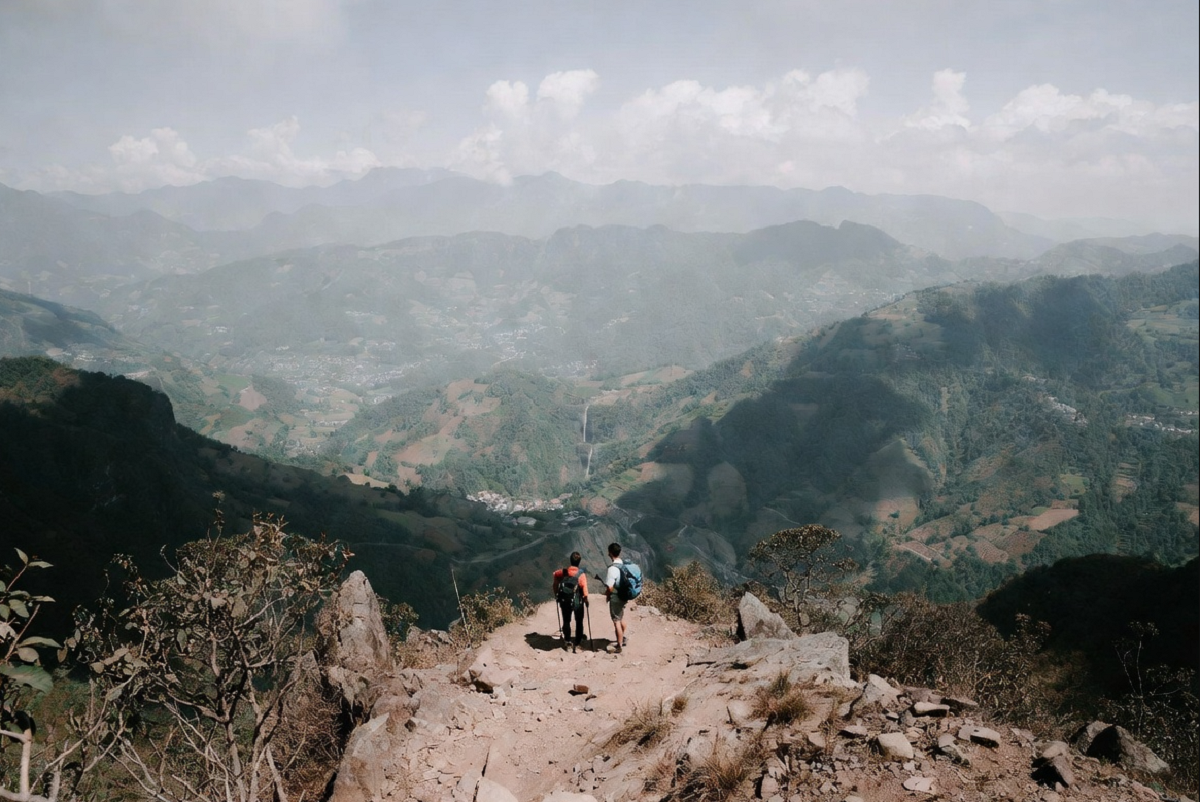
Fansipan, proudly known as “The Roof of Indochina,” stands as the highest mountain in Vietnam, offering an unparalleled attraction around Sapa. For those seeking majestic views without an arduous trek, the Fansipan cable car provides a spectacular journey to its summit. This modern marvel transports visitors above the clouds, revealing breathtaking panoramic vistas of the Hoang Lien Son mountain range and the lush Sapa valley. A visit to Fansipan is a truly unforgettable experience, making it a highlight for any Sapa travel guide and an essential part of exploring Sapa.
Visiting the Silver Waterfall
Visiting the Silver Waterfall, or Thac Bac, is another enchanting attraction located just a short drive from Sapa Town, on the way to the scenic Quy Ho Pass. This magnificent waterfall cascades dramatically down the mountainside, creating a shimmering spectacle that lives up to its name. The cool mist and the roaring sound of the water provide a refreshing escape, especially during warmer months. It is an ideal spot for a quick stop to admire Sapa’s natural beauty and capture stunning photos, adding a serene element to any Sapa itinerary.
Experience the Quy Ho Pass
Experiencing the Quy Ho Pass is a must for anyone wanting to witness some of the most spectacular mountain scenery around Sapa. This renowned pass, also known as Heaven’s Gate, offers breathtaking panoramic views of the terraced rice fields, deep valleys, and mist-shrouded peaks of the Hoang Lien Son range. It is an ideal spot for photography enthusiasts and those seeking the best views, particularly on clear days. A motorbike ride along the Quy Ho Pass is an exhilarating way to explore Sapa, showcasing the dramatic landscapes that define Northern Vietnam.
Accommodation in Sapa
Best Homestays in Sapa
For an authentic “real Sapa experience,” staying in a homestay is highly recommended when you visit Sapa. Many ethnic minority groups, particularly the Hmong in villages like Lao Chai and Ta Van, offer comfortable homestays that allow visitors to immerse themselves in the local culture. These homestays provide a unique opportunity to interact directly with local families, partake in traditional meals, and learn about their daily lives. Choosing a homestay is not just about a place to sleep; it is about becoming part of the community and gaining a deeper appreciation for the rich traditions that define the Sapa valley.
Hotels and Resorts: Where to Stay
Sapa Town also offers a diverse range of hotels and resorts for those who prefer more conventional accommodation options. From budget-friendly guesthouses to luxurious resorts boasting stunning views of the rice terraces and surrounding mountain scenery, there is something to suit every preference and budget. Many hotels are strategically located to provide easy access to attractions in Sapa, such as the Sapa Market and connections for treks to Cat Cat Village. Planning your stay in Sapa, especially during peak season, involves booking in advance to secure your ideal spot.
Choosing the Right Place for Your Stay
Choosing the right place for your stay in Sapa depends on your travel style and what you hope to experience. Consider your itinerary for Sapa and whether you plan to spend more time trekking through the Muong Hoa Valley or exploring the various attractions around Sapa before making your decision.
| Accommodation Type | Key Features |
| Homestay (e.g., in Ta Van) | Cultural immersion, direct interaction with ethnic minority groups, real Sapa experience. |
| Hotel or Resort | Comfort, amenities, proximity to Sapa Town’s vibrant atmosphere. |
Travel Itinerary for Sapa
Sample 3-Day Itinerary
A sample 3-day itinerary for Sapa allows visitors to experience the region’s diverse attractions and natural beauty without feeling rushed. Here is how you could plan your trip:
- Day one could involve arrival from Hanoi to Sapa, checking into your accommodation, and exploring Sapa Town, including the Sapa Market and its vibrant night market.
- Day two is perfect for a full-day trek through the Muong Hoa Valley, visiting ethnic minority villages like Lao Chai and Ta Van, possibly including an overnight homestay.
- Day three might feature a visit to Fansipan via the cable car for breathtaking views, followed by a stop at the Silver Waterfall before returning from Sapa to Lao Cai.
Must-Visit Places in One Day
If you only have one day to visit Sapa, it is essential to prioritize the must-visit places to make the most of your time in Sapa. A morning visit to Cat Cat Village offers insight into Hmong culture and stunning views of the surrounding rice terraces. After lunch, take the Fansipan cable car for a panoramic vista from “The Roof of Indochina,” which is arguably one of the best things to do in Sapa. Conclude your day with a drive through the scenic Quy Ho Pass, especially if clear days permit, to capture the dramatic mountain scenery around Sapa.
Exploring Real Sapa
To truly explore real Sapa, it is recommended to venture beyond Sapa Town and engage with the local culture of the ethnic minority groups. This means participating in a trek with a local guide through the rice fields and bamboo forests of the Muong Hoa Valley, visiting villages like Ta Van and Lao Chai. Staying in a homestay provides an authentic connection, while visiting the Sapa Market offers a glimpse into daily life. For an unforgettable travel experience, consider a motorbike journey through the Quy Ho Pass to witness the most stunning mountain scenery Northern Vietnam has to offer.
