

Embark on an unforgettable adventure to conquer Fansipan, the majestic “Roof of Indochina.” This comprehensive guide provides all the essential information for a successful trek to Vietnam’s highest peak, whether you choose a challenging hike or a scenic cable car ride.
Introduction to Fansipan
Overview of Fansipan Mountain
Fansipan Mountain, often referred to as Mt Fansipan, stands proudly as Vietnam’s highest peak, an iconic landmark nestled within the breathtaking Hoang Lien Son mountain range in northern Vietnam. Its formidable elevation draws trekkers and adventurers from across the globe, eager to experience its dense forests, challenging slopes, and the unparalleled reward of reaching the summit. The mountain is a significant natural wonder, offering diverse ecosystems and a stunning backdrop to the vibrant Sapa town, a popular hub for those looking to explore this remarkable region.
Significant Meaning: The Roof of Indochina
Fansipan holds immense cultural and geographical significance, being widely known as the “Roof of Indochina.” This prestigious title highlights its status as the highest peak not only in Vietnam but also across the entire Indochinese Peninsula, encompassing Laos and Cambodia. Conquering Fansipan, therefore, represents a monumental achievement for any trekker, symbolizing a journey to the very top of Southeast Asia. The aspiration to reach the summit of Fansipan fuels countless adventures, making it a pivotal destination for those seeking to challenge themselves and witness panoramic views from this legendary altitude.
Why Choose to Trek Fansipan?
Choosing to trek Fansipan offers an unparalleled experience that goes beyond merely reaching the highest peak. It’s an opportunity to immerse oneself in the stunning natural beauty of the Hoang Lien Son range, traversing through dense forests, experiencing diverse microclimates, and witnessing breathtaking vistas that unfold with every ascent. Unlike taking the cable car directly to the summit of Fansipan, a trek provides a profound sense of accomplishment, a deep connection with nature, and unforgettable memories of conquering the challenging slopes. It’s an adventure that tests endurance and rewards with spectacular views from the roof of Indochina.
Preparing for the trek
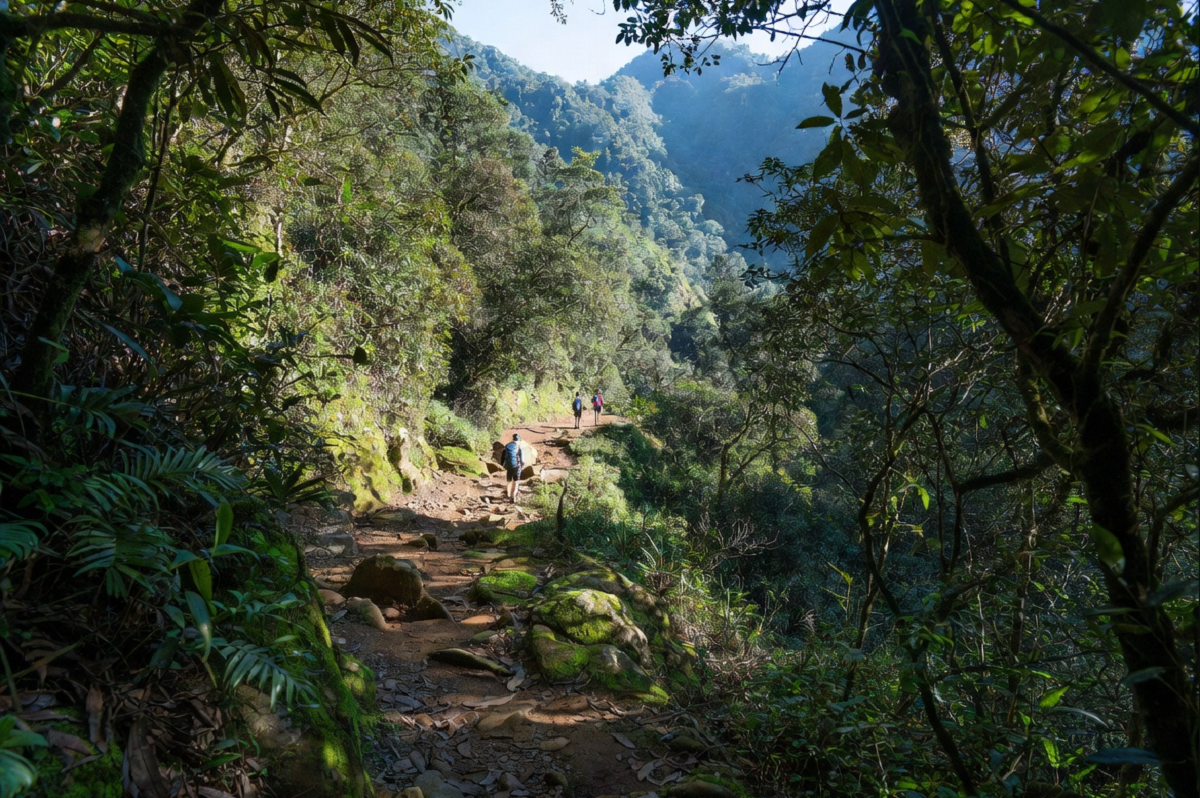
Essential equipment for a long hike in Fansipan.
To successfully hike Fansipan, having the right gear is paramount. A well-equipped backpack is your best companion on the slopes of Vietnam’s highest peak. Essential items include sturdy trekking poles to aid your ascent, appropriate layers of clothing to adapt to changing weather conditions—from the dense forest canopy to the exposed summit—and waterproof outer shells. Don’t forget a reliable headlamp, a first-aid kit, high-energy snacks, and sufficient water. Proper hiking boots are crucial for navigating the diverse terrain of the Hoang Lien Son range, ensuring comfort and preventing injuries as you trek towards the summit of Fansipan.
Physical preparation for the long hike
Conquering Fansipan requires more than just essential equipment; it demands adequate physical preparation to tackle the challenging slopes and reach the summit of Fansipan. Regular cardiovascular exercises, strength training focusing on legs and core, and practice hikes with your backpack are highly recommended. Acclimatization to high altitude is also beneficial, though the elevation of Fansipan is not extreme for most trekkers. Building endurance and stamina will significantly enhance your experience, allowing you to enjoy the breathtaking views from the roof of Indochina without being overly fatigued. Proper preparation ensures a safer and more enjoyable trek to Vietnam’s highest peak.
Best time to climb Fansipan
Choosing the best time to climb Fansipan significantly impacts your trekking experience. The dry season, from September to November and again from March to May, generally offers the most favorable weather conditions, with clearer skies and less rain, making the ascent to the summit more pleasant. During these months, the chances of witnessing panoramic views from the summit of Fansipan are higher. Avoid the peak rainy season from June to August, as the dense forest trails can become extremely slippery and visibility is often poor. Planning your Fansipan hike during the optimal period enhances safety and increases your chances of a successful and memorable trek to Vietnam’s highest peak.
Hiking Routes to Fansipan Summit
Overview of the main hiking routes
Conquering Fansipan, the “Roof of Indochina,” offers several distinct hiking routes, each presenting unique challenges and breathtaking vistas as trekkers ascend towards the summit of Fansipan. The most popular and well-maintained route is the Tram Ton Pass route, renowned for its accessibility and relatively shorter trekking duration, making it a favorite among those looking to hike Fansipan efficiently. Other notable routes, such as those originating from Cat Cat Village or Sin Chai, offer a more rugged and immersive experience through the dense forest of the Hoang Lien Son range, but these are typically longer and demand greater endurance. Regardless of the chosen path, each trekking route provides an unforgettable journey to Vietnam’s highest peak, offering diverse perspectives of the majestic Fansipan Mountain and its surrounding natural beauty.
Comparison between guided tours and self-guided trekking.
Deciding between a guided tour and trekking Fansipan without a guide is a crucial choice for any aspiring trekker aiming to reach the summit of Fansipan. A guided tour, often including a local guide and porters, offers invaluable support, logistical assistance, and enhanced safety, especially on challenging slopes and through dense forests. These tours handle permits, food, and accommodation, allowing trekkers to focus solely on the ascent. Conversely, undertaking the Fansipan hike without a guide provides greater flexibility and a sense of independent adventure, though it demands meticulous planning, navigation skills, and a higher degree of self-reliance. While a guided tour streamlines the experience, trekking Fansipan independently offers a profound sense of accomplishment, but requires thorough preparation and awareness of the risks involved in conquering Fansipan without expert assistance.
Choosing the right trekking tour
Selecting the ideal trekking tour for your Fansipan adventure is paramount to ensuring a memorable and successful journey to the summit of Fansipan. When choosing a Fansipan trekking tour, consider your fitness level, time constraints, and desired trekking experience. Many operators offer varying packages, from challenging multi-day treks through the Hoang Lien Son range to more moderate options that combine hiking with a cable car ride for part of the journey. Evaluate tours based on inclusions such as a local guide, porters, meals, and permits, ensuring they align with your expectations for conquering Fansipan. Researching reputable tour companies and reading reviews can help you make an informed decision, ensuring your Fansipan hike is safe, enjoyable, and tailored to your preferences, allowing you to fully appreciate the “Roof of Indochina.”
Hành động nâng cao đỉnh cao: Điều cần biết
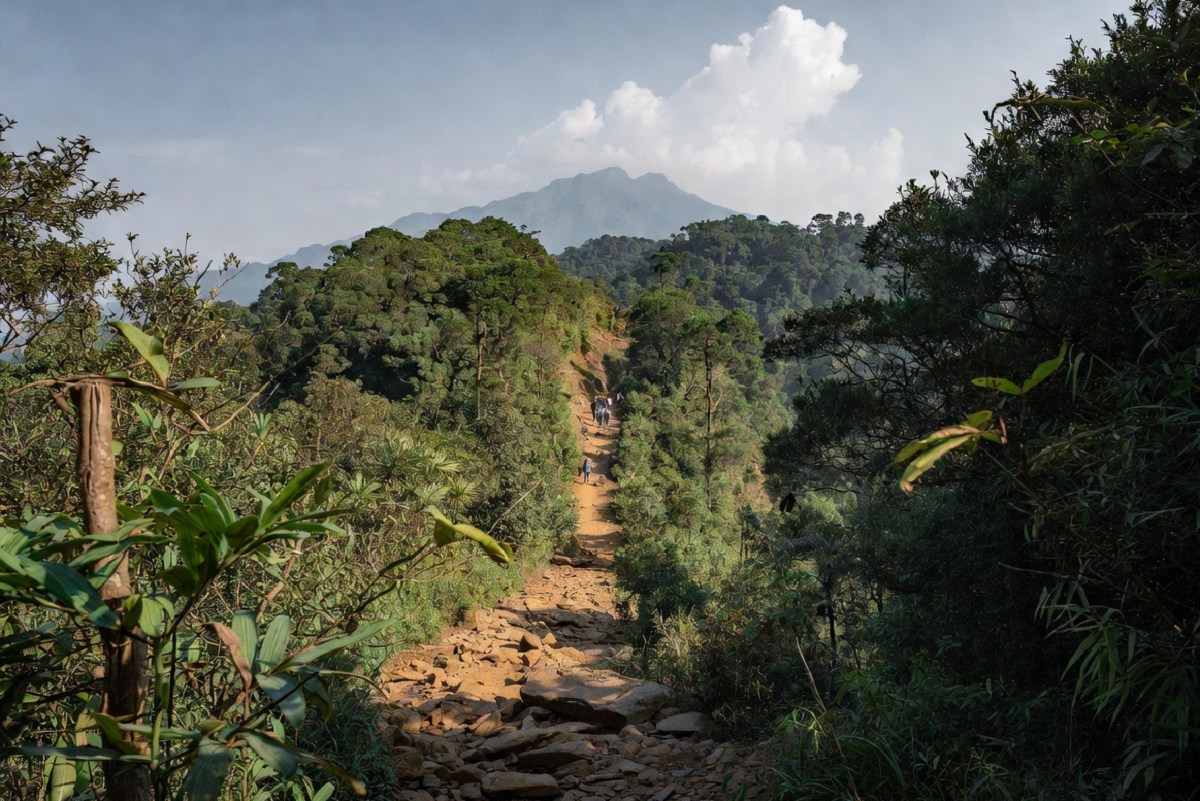
Các công thức trên cung đường leo núi fansipan
Để chinh phục Fansipan, “Nóc nhà Đông Dương”, việc hiểu rõ các tuyến đường leo núi là rất quan trọng. Tuyến Tram Ton Pass là phổ biến nhất và được bảo trì tốt, khởi hành từ Trạm Tôn, cung cấp một chuyến đi bộ đường dài hiệu quả với độ cao vừa phải. Tuyến đường này nổi tiếng với các cảnh quan tuyệt đẹp và là lựa chọn phù hợp cho những ai muốn leo núi Fansipan một cách tương đối nhanh chóng. Các tuyến đường khác, bắt đầu từ làng Cát Cát hoặc Sín Chải, mang đến một trải nghiệm mạo hiểm hơn qua khu rừng rậm rạp của dãy Hoàng Liên Sơn. Mỗi tuyến đường đều có những thử thách riêng, đưa bạn đến đỉnh Fansipan, đỉnh cao nhất của Việt Nam, mang đến tầm nhìn toàn cảnh từ độ cao ấn tượng.
Động thực vật hoang dã trên đường đi bộ
Dãy Hoàng Liên Sơn, nơi Fansipan tọa lạc, là một điểm nóng về đa dạng sinh học, tự hào với một hệ sinh thái phong phú bao gồm cả khu rừng rậm rạp. Khi bạn leo núi Fansipan, bạn sẽ đi qua các khu vực chứa đựng nhiều loài động thực vật hoang dã độc đáo. Hệ thực vật phong phú bao gồm các loài phong lan quý hiếm, đỗ quyên và cây lá kim, tạo thành một tán cây xanh tươi tốt. Khu rừng rậm là nơi sinh sống của nhiều loài chim, côn trùng và động vật có vú nhỏ, mang đến một cái nhìn thoáng qua về sự đa dạng tự nhiên của Việt Nam. Trải nghiệm một chuyến đi bộ đường dài trên Fansipan là một cơ hội để kết nối với thiên nhiên và khám phá vẻ đẹp hoang sơ của hệ sinh thái đặc biệt này.
Chinh phục Fansipan
Việc chinh phục đỉnh Fansipan, đỉnh cao nhất của Việt Nam, là một thành tựu đáng nhớ cho bất kỳ người đi bộ đường dài nào. Dù bạn chọn tuyến Tram Ton Pass dễ tiếp cận hay tuyến đường từ làng Cát Cát hoặc Sín Chải đầy thử thách hơn, việc lên đến đỉnh sẽ mang lại cảm giác chiến thắng và những khung cảnh ngoạn mục. Đỉnh núi Fansipan, thường được gọi là “Nóc nhà Đông Dương”, cung cấp tầm nhìn toàn cảnh tuyệt vời ra toàn bộ dãy Hoàng Liên Sơn và xa hơn nữa. Thời điểm tốt nhất để leo núi Fansipan là vào mùa khô, để đảm bảo tầm nhìn rõ ràng và điều kiện leo núi Fansipan an toàn hơn. Đó là một chuyến đi bộ đường dài đòi hỏi sự chuẩn bị, sự kiên trì và mang lại những kỷ niệm khó quên.
Lời khuyên và đề xuất sau chuyến đi bộ đường dài
Những lời khuyên hữu ích nhất khi đi bộ đường dài ở Đông Nam Á
Đi bộ đường dài ở Đông Nam Á, đặc biệt là leo núi Fansipan, đòi hỏi phải lập kế hoạch và nhận thức. Luôn mang theo một chiếc ba lô được trang bị đầy đủ, bao gồm thiết bị cần thiết, đủ nước và đồ ăn nhẹ nhiều năng lượng. Thuê một hướng dẫn viên địa phương đặc biệt hữu ích khi đi bộ đường dài Fansipan, vì họ có thể cung cấp thông tin chi tiết về các sườn dốc và các điểm mốc chính, đồng thời đảm bảo sự an toàn. Điều hòa với độ cao để tránh bệnh độ cao, mặc dù độ cao của Fansipan không quá khắc nghiệt. Luôn kiểm tra dự báo thời tiết và tránh mùa mưa bão để có trải nghiệm leo núi Fansipan an toàn và thú vị hơn.
Văn hóa và phong tục địa phương ở Sapa
Sapa, thị trấn quyến rũ dưới chân Fansipan, là một trung tâm văn hóa sôi động. Sau khi chinh phục đỉnh Fansipan, hãy dành thời gian để khám phá văn hóa địa phương. Thị trấn Sapa là nơi sinh sống của một số dân tộc thiểu số như người H’Mông và Dao, mỗi dân tộc có phong tục, trang phục và ngôn ngữ riêng biệt. Tôn trọng truyền thống của họ, chẳng hạn như xin phép trước khi chụp ảnh và mua sắm có trách nhiệm từ các thị trường địa phương. Tham gia vào các lễ hội và chợ địa phương có thể mang lại cái nhìn sâu sắc vào cuộc sống hàng ngày và di sản phong phú của các cộng đồng miền núi này.
Các điểm tham quan khác ở Sapa sau chuyến trekking
Sau một chuyến đi bộ đường dài Fansipan đầy thử thách, Sapa cung cấp nhiều điểm tham quan để thư giãn và khám phá. Bạn có thể chọn đi cáp treo để lên hoặc xuống để giảm bớt gánh nặng. Khám phá làng Cát Cát hoặc Sín Chải gần đó, nơi bạn có thể chứng kiến các làng nghề truyền thống và kiến trúc độc đáo. Thác Bạc và Cổng Trời cũng là những điểm đáng ghé thăm, mang đến những cảnh quan thiên nhiên tuyệt đẹp và tầm nhìn bao quát ra dãy Hoàng Liên Sơn. Đắm mình trong nền ẩm thực địa phương, thưởng thức các món ăn truyền thống của Việt Nam tại thị trấn Sapa. Những hoạt động này sẽ bổ sung thêm một khía cạnh văn hóa và thư giãn cho chuyến đi của bạn.
