

Sapa, a captivating destination in Northern Vietnam, beckons travelers with its stunning landscapes and rich cultural tapestry. This guide explores the unique charm of Sapa and its surrounding ethnic villages, offering insights into an unforgettable adventure.
Introduction to Sapa
Overview of Sapa and its Unique Charm
Sapa, nestled in the Hoàng Liên Son mountains of Northern Vietnam, is truly a hidden gem that captivates every visitor with its unique charm and breathtaking beauty. This highland town serves as a gateway to some of Vietnam’s most scenic landscapes, characterized by dramatic peaks, verdant valleys, and the iconic terraced rice fields. The area is home to numerous ethnic minority groups, including the Hmong, Red Dao, Tay, and Giay, whose vibrant cultures and traditional way of life are an integral part of Sapa’s allure. Exploring Sapa offers a deep dive into authentic local life and provides experiences that are both enriching and unforgettable.
Geographical Significance in Northern Vietnam
Geographically, Sapa holds significant importance as it is situated in the high altitudes of the Hoàng Liên Son Mountain Range, which includes Fansipan, the highest peak in Indochina. This elevated position contributes to Sapa’s distinct temperate climate and its stunning natural landscape, dominated by rolling mountains and the deep cut of the Muong Hoa Valley. The strategic location in Northern Vietnam, close to the Chinese border, has historically made it a crossroads for various ethnic groups, shaping the diverse cultural fabric of the region. The dramatic changes in altitude also facilitate the famed rice terraces, which are not only an agricultural marvel but also a significant part of Sapa’s scenic beauty.
Why Visit Sapa?
Visiting Sapa offers an unparalleled opportunity for adventurers and culture enthusiasts alike to immerse themselves in a world far removed from urban hustle. Beyond the stunning visual spectacle of its golden rice terraces and cascading waterfalls, Sapa provides authentic interactions with local communities in various ethnic villages such as Cat Cat Village, Ta Van Village, Lao Chai, and Ta Phin Village. Travelers can embark on a trek through the scenic trails, discover remote ethnic minority villages, and witness the resilient and vibrant village life of the Hmong and Red Dao ethnic groups. It’s an ideal destination for those seeking a blend of adventure, cultural discovery, and breathtaking natural beauty in the mountains of Vietnam.
Discovering the Ethnic Villages
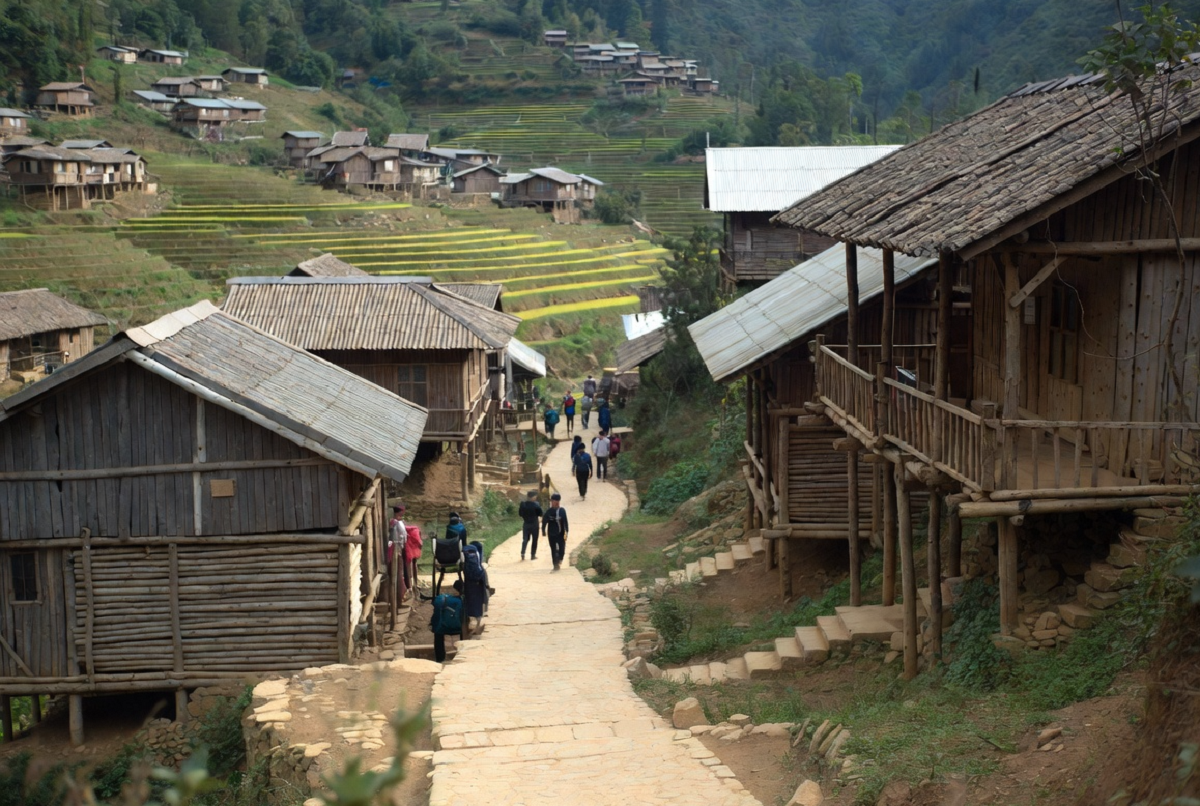
Overview of the Ethnic Villages in Sapa
The ethnic villages around Sapa Town are a true highlight of any visit to this hidden gem in Northern Vietnam, offering an authentic glimpse into the lives of various ethnic minority groups. These villages, nestled in the picturesque Muong Hoa Valley and surrounded by breathtaking terraced rice fields, are an integral part of the Sapa region’s charm. Each village, whether it’s Ta Van, Cat Cat Village, Lao Chai, or Ta Phin Village, presents unique cultural experiences and stunning landscapes. Exploring these Sapa villages provides an unforgettable opportunity to engage with local communities and understand their traditional customs, making it one of the best places to discover the heart of Vietnam’s highland culture.
Ta Van Village: A Cultural Hub
Ta Van Village stands out as a vibrant cultural hub in the Sapa region, making it an essential stop for anyone planning a trip to Sapa. Situated within the scenic Muong Hoa Valley, this village is home to a diverse mix of ethnic minorities, including the Hmong, Giay, and Red Dao ethnic groups. A trek to Ta Van offers not only stunning views of the surrounding rice terraces and the Hoang Lien Son Mountain Range but also intimate insights into village life. Visitors can observe traditional crafts, sample local cuisine, and even participate in homestays, providing authentic Sapa experiences and fostering a deeper connection with the local communities in this remarkable part of Vietnam.
Exploring Cat Cat Village
Cat Cat Village, often one of the first ethnic villages visited by travelers in Sapa, is renowned for its accessibility and captivating beauty. Located just a short distance from Sapa Town, this Hmong village offers a fascinating introduction to the ethnic minority communities of the area. As you descend into the valley, you’ll be greeted by charming traditional houses, lush rice terraces, and a picturesque waterfall, making for a truly scenic trek. Exploring Cat Cat Village allows visitors to witness traditional Hmong crafts, observe daily village life, and learn about the local customs, all set against a backdrop of breathtaking natural landscape, ensuring an unforgettable experience in Sapa.
Hidden Gems in the Region
Off-the-Beaten-Path Villages to Visit
Beyond the well-trodden paths of Cat Cat Village and Ta Van Village, Sapa holds a treasure trove of off-the-beaten-path ethnic villages that offer even deeper insights into the authentic local life of Northern Vietnam. Sin Chai Village, for instance, provides a more secluded experience, allowing visitors to immerse themselves in the quiet rhythm of Hmong life amidst stunning terraced rice fields. Another hidden gem is Ta Phin Village, home to the Red Dao ethnic group, renowned for their intricate embroidery and traditional herbal baths. These remote ethnic minority villages offer a chance to witness the beauty of Sapa’s untouched landscapes and engage in meaningful interactions with the local communities, making for truly unforgettable experiences in Sapa.
Natural Wonders Surrounding Sapa
The Sapa region is not only rich in cultural experiences but also boasts an abundance of breathtaking natural wonders that complement its scenic beauty. Dominating the landscape is the majestic Fansipan, the highest peak in Indochina, offering challenging treks and unparalleled panoramic views for adventurous souls. The dramatic Muong Hoa Valley itself, with its sweeping terraced rice fields and winding streams, is a sight to behold, especially during the harvest season when the golden rice terraces shimmer under the sun. Numerous waterfalls cascade down the Hoang Lien Son Mountain Range, providing refreshing respites during a trek and adding to the overall allure of the mountains of Vietnam around Sapa Town.
Local Experiences and Crafts
Engaging in local experiences and exploring traditional crafts are essential parts of any visit to Sapa, providing a window into the vibrant cultures of its ethnic minorities. In the various ethnic villages like Ta Van and Ta Phin, visitors can witness the intricate art of indigo dyeing and traditional weaving practiced by the Hmong and Red Dao ethnic groups. Many local communities offer hands-on workshops where travelers can try their hand at these ancient crafts. Beyond crafts, participating in a homestay in one of the Sapa villages offers an unparalleled opportunity to experience authentic Sapa village life, share meals with local families, and gain a profound understanding of their customs and traditions, making a trip to Sapa truly unforgettable.
Travel Tips for Visiting Sapa
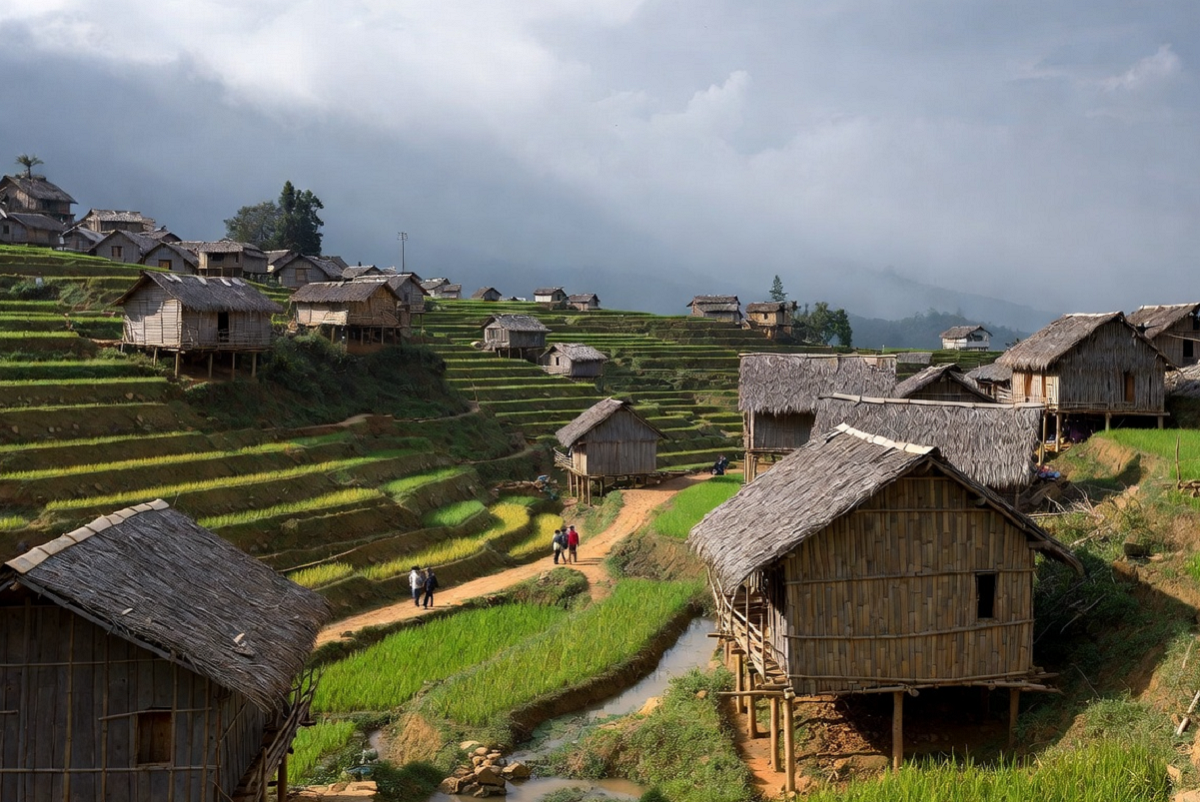
Best Times to Visit Sapa
To truly appreciate the breathtaking landscape and vibrant culture of Sapa, timing your visit is crucial. The best times to visit Sapa are generally during the spring months, from March to May, or in the autumn, from September to November. During spring, the terraced rice fields are vibrant green, and the weather is pleasantly mild, perfect for a trek through the Muong Hoa Valley to explore the various ethnic villages. Autumn, particularly September and October, transforms the rice terraces into a stunning golden hue, signifying harvest season, which is incredibly scenic and offers unforgettable photographic opportunities. Avoiding the peak rainy season (June to August) and the colder winter months (December to February) will ensure a more enjoyable experience in Sapa, allowing for clearer views of Fansipan and more comfortable exploration of the ethnic minority villages.
Transportation Options to the Villages
Navigating to and around the ethnic villages from Sapa Town is an essential part of the adventure in this hidden gem of Northern Vietnam. The most popular and immersive way to reach remote ethnic minority villages like Ta Van Village, Lao Chai, and Ta Phin Village is by trekking. Many local tour operators offer guided treks that lead you through stunning landscapes, past waterfalls, and directly into the heart of various Hmong and Red Dao ethnic communities, providing authentic Sapa experiences. For those preferring less strenuous options, motorbikes (either rented or with a local driver) and private cars are available. These options offer flexibility and comfort, allowing you to cover more ground and visit multiple ethnic villages such as Cat Cat Village and Sin Chai Village, ensuring a comprehensive view of the Sapa region’s beauty and local life.
Accommodations and Local Cuisine
Sapa offers a diverse range of accommodations, from budget-friendly guesthouses in Sapa Town to more authentic homestays within the ethnic villages, allowing visitors to deeply immerse themselves in local life. Staying in a homestay in Ta Van or Ta Phin village provides a unique opportunity to interact with local communities, learn about their customs, and experience genuine village life firsthand. When it comes to local cuisine, Sapa’s culinary scene is a delight, blending Vietnamese flavors with the unique tastes of the ethnic minorities. Must-try dishes include “Thang Co” (horse meat hot pot), bamboo-tube rice, and fresh grilled fish from the local rivers. Exploring the Sapa Market also offers a chance to sample various street foods and local delicacies, making your visit to Sapa a truly unforgettable gastronomic journey.
Conclusion: Why Sapa Should Be on Your Travel List
Recap of the Best Places to Visit in Sapa
Sapa truly stands out as a hidden gem in Northern Vietnam, offering a kaleidoscope of experiences that make it an essential destination for any traveler. From the dramatic peaks of the Hoang Lien Son Mountain Range, including the majestic Fansipan, to the serene beauty of the Muong Hoa Valley with its iconic terraced rice fields, the landscape is simply breathtaking. The ethnic villages such as Cat Cat Village, Ta Van Village, Lao Chai, and Ta Phin Village provide profound insights into the rich cultures of the Hmong, Red Dao, Giay, and Tay ethnic groups. These remote ethnic minority villages, alongside the vibrant Sapa Town, offer a blend of scenic treks, authentic local life, and opportunities to engage with local communities, making every moment spent in Sapa unforgettable.
Final Thoughts on the Highland Experience
The highland experience in Sapa is more than just a trip; it’s an immersion into a world where ancient traditions meet stunning natural beauty. The serene pace of village life, the intricate patterns of the rice terraces, and the warm hospitality of the ethnic minorities create a profound sense of connection to the land and its people. A trek through the Sapa region, exploring a waterfall or observing daily village life in ethnic villages like Ta Van, reveals the resilience and vibrant spirit of these communities. Whether it’s the golden rice terraces of harvest season or the lush greenery of spring, Sapa offers a unique perspective on Vietnam’s diverse cultural tapestry and its magnificent landscapes, leaving visitors with lasting memories.
Encouragement to Explore Northern Vietnam
Sapa, with its unparalleled beauty and rich cultural heritage, serves as a compelling invitation to explore the wider wonders of Northern Vietnam. Beyond the well-trodden paths of Sapa Town and its immediate ethnic villages, the region boasts an array of hidden gems and untouched landscapes waiting to be discovered. This travel guide merely scratches the surface of what Northern Vietnam has to offer, from the majestic mountains to the serene valleys and vibrant local communities. A visit to Sapa is not just a destination in itself; it’s an unforgettable gateway to further adventures, encouraging travelers to delve deeper into the authentic Sapa experiences and the breathtaking beauty that defines this extraordinary part of Vietnam.
