

A Sapa homestay offers an unparalleled opportunity to immerse yourself in the rich cultural tapestry of Northern Vietnam. This guide will help you navigate the various options for an authentic Hmong homestay experience, ensuring your trip to Sapa is both memorable and deeply enriching.
Introduction to Sapa Homestays
What is a Homestay in Sapa?
A homestay in Sapa is more than just accommodation; it’s an invitation to experience the authentic daily life of ethnic minority communities, particularly the Hmong and Dao people, who call this breathtaking region of Vietnam home. Unlike a conventional hotel or hostel, a Sapa homestay involves staying with a local family in their traditional home, often a rustic dwelling crafted from wood or bamboo. This provides travelers with a unique opportunity to engage directly with local culture, partake in communal meals featuring home-cooked, authentic Vietnamese cuisine, and gain insights into the customs and traditions passed down through generations. It’s an immersive cultural exchange, fostering a deeper connection with the place and its people beyond the usual tourist trail.
Overview of Sapa, Vietnam
Sapa, nestled in the majestic Hoàng Liên Son Mountains of Northern Vietnam, is a renowned destination famous for its dramatic terraced rice fields, lush valleys, and vibrant ethnic minority cultures. Located in the Lao Cai province, Sapa town serves as a bustling hub for travelers eager to explore the surrounding villages and embark on captivating treks through the stunning landscape. The region is particularly celebrated for its breathtaking vistas, including the iconic Muong Hoa Valley, where verdant rice terraces cascade down hillsides, creating a visually spectacular panorama. Beyond its natural beauty, Sapa is a melting pot of diverse ethnic groups, predominantly the Hmong and Red Dao, whose rich traditions, colorful attire, and warm hospitality are integral to the Sapa experience.
Importance of Local Culture in Homestays
The essence of an authentic Sapa homestay experience lies in its deep connection to local culture, offering travelers an unparalleled opportunity for genuine immersion. Staying at a homestay allows you to directly engage with the Hmong and Dao communities, witnessing their daily routines, traditional crafts, and vibrant customs firsthand. This proximity to local life goes beyond mere observation; it facilitates meaningful interactions, enabling visitors to learn about their history, language, and spiritual beliefs directly from the source. It’s an opportunity to appreciate the importance of rice terraces to their livelihoods, understand their sustainable farming practices, and even learn a few words of their dialect. This cultural exchange enriches the travel experience profoundly, fostering respect and understanding, and ensures that tourism benefits directly support the local families who host these authentic homestays.
Types of Homestays in Sapa
Hmong Homestays
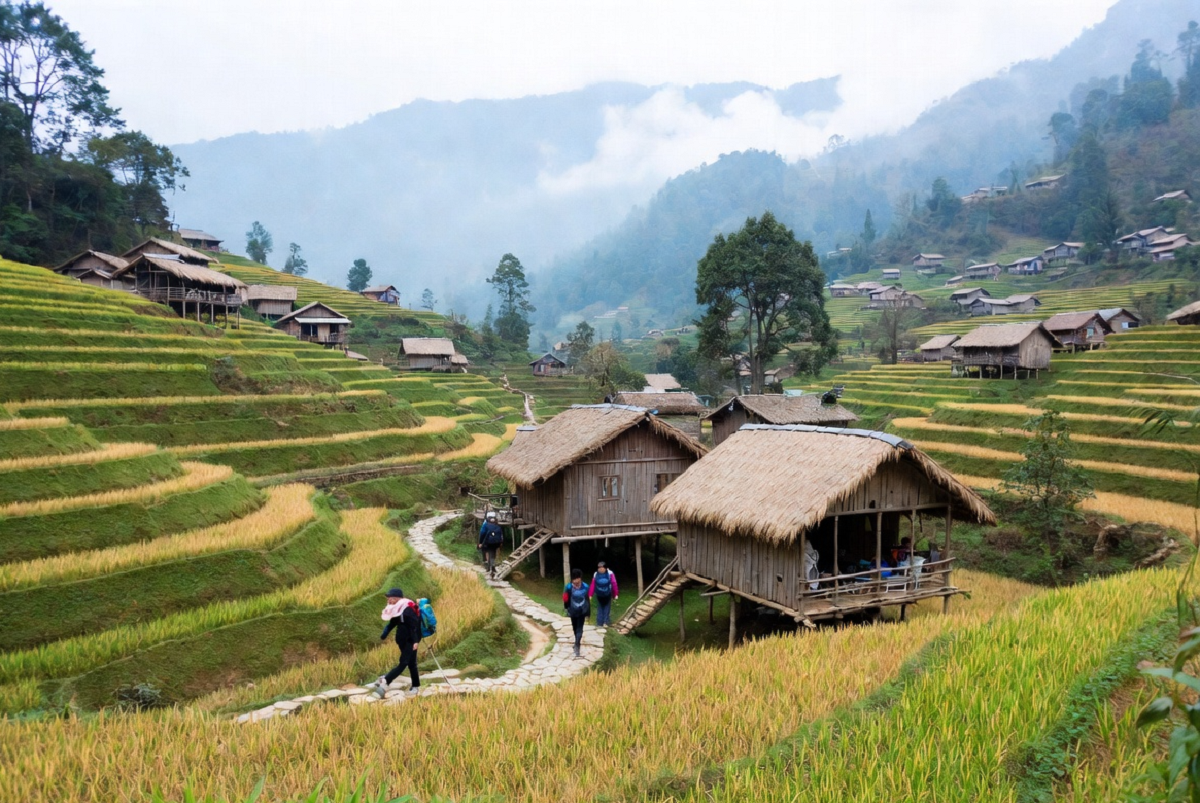
Hmong homestays offer an incredibly authentic experience in Sapa, allowing travelers to delve deep into the heart of Hmong culture. These homestays, often found in villages like Ta Van and Lao Chai, are typically rustic dwellings situated amidst the stunning terraced rice fields. Guests have the unique opportunity to participate in daily activities, from helping with farming in the rice terraces to learning traditional Hmong crafts. The accommodation itself, while modest, provides a genuine glimpse into the local lifestyle, often featuring communal areas for meals where delicious home-cooked Vietnamese cuisine is shared. Staying in a Hmong homestay fosters a profound connection with the Hmong people, offering insights into their traditions, language, and the importance of their ancestral lands.
Red Dao Homestays
Red Dao homestays provide another distinct and enriching homestay experience in Sapa, particularly for those interested in the unique customs of the Red Dao ethnic group. These homestays are often located in remote villages, offering unparalleled mountain views and a peaceful retreat from the bustling Sapa town. A stay here allows visitors to witness traditional Red Dao practices, such as indigo dyeing, herbal medicine, and the intricate embroidery that adorns their distinctive red attire. The homestay often involves sharing meals with the family, enjoying authentic local dishes and engaging in conversations that offer a window into their spiritual beliefs and daily lives amidst the breathtaking landscapes of Northern Vietnam.
Best Homestays in Sapa
Choosing the best homestay in Sapa depends on the kind of authentic experience a traveler seeks, but several options consistently receive high praise for their hospitality and stunning locations. Many of the top-rated homestays are nestled within the scenic Ta Van village or Lao Chai, offering direct access to the famous Muong Hoa Valley and its spectacular terraced rice fields. These establishments often provide comfortable, rustic accommodation with essential amenities, delicious home-cooked meals, and opportunities to partake in local activities like treks with a local guide. Homestays with good reviews often feature incredible mountain views, communal dining experiences, and hosts who go above and beyond to share their Hmong or Red Dao culture, ensuring a memorable and enriching visit to Sapa, Vietnam.
Booking Your Homestay
How to Book a Homestay in Sapa
Booking a homestay in Sapa is a crucial step to ensure an authentic experience in Sapa, Vietnam. While some travelers prefer to arrive in Sapa town and seek accommodation directly, it is highly recommended to book a homestay in advance, especially during peak seasons. Many online platforms offer listings for homestays in Sapa, allowing you to filter by village, price, and homestay features. For a truly genuine Hmong or Red Dao experience, look for homestays in smaller villages like Ta Van village or Lao Chai, rather than those directly in Sapa town. Always confirm the location and amenities, such as mosquito nets, before finalizing your booking to ensure your comfort during your visit to Sapa.
Tips for a Successful Booking
To ensure a successful booking for your Sapa homestay experience, several tips can help you secure the best homestays in Sapa. Firstly, read reviews from previous travelers to gauge the authenticity and hospitality of the hosts, especially regarding Hmong or Dao homestays. Secondly, communicate clearly with your potential hosts about your arrival time, any dietary restrictions, and your interest in activities like a trek through the rice terraces or cooking classes. Consider booking homestays that offer communal meals, as this is a fantastic way to connect with the local family and other guests. Finally, be prepared for rustic accommodation; while many homestays offer basic comforts, they are not hotels, and embracing the simplicity is part of the authentic experience in Sapa.
Using Local Guides for Your Homestay Experience
Enhancing your homestay experience in Sapa often involves the invaluable insight of a local guide. These guides, often Hmong women from the very villages you’ll be visiting, can facilitate deeper cultural immersion, acting as interpreters and cultural bridges. They can lead you on incredible treks through the Muong Hoa Valley, navigating the rice fields and showing you hidden viewpoints that you might miss otherwise. A local guide can also help you arrange your homestay, ensuring you find an authentic homestay that aligns with your preferences, whether it’s a Hmong homestay in Ta Van or a Red Dao experience near Sapa. Their knowledge not only enriches your visit to Sapa but also ensures that tourism directly benefits the local community.
Experiences in Sapa
Trekking in Sapa
Embarking on a trek in Sapa is one of the most quintessential experiences in Vietnam, offering unparalleled views of the majestic landscapes and an intimate connection with local life. A trek, often led by Hmong women from the local communities, typically winds through the stunning rice terraces of the Muong Hoa Valley, providing a physical challenge alongside breathtaking scenery. These treks often connect various ethnic villages, such as Ta Van village and Lao Chai, allowing travelers to witness firsthand the daily routines of the Hmong and Dao people. Opting for a homestay in Sapa often includes the option of organized treks, ensuring an authentic experience guided by those who know the land best. The journey through these verdant rice fields offers incredible photo opportunities and a deep appreciation for the hard work involved in maintaining these iconic terraces.
Visiting Ta Van Village
Visiting Ta Van village offers profound insight into authentic Hmong culture and is a highlight for many travelers choosing a homestay in Sapa. Nestled amidst the breathtaking rice terraces of the Muong Hoa Valley, Ta Van is a serene village where traditional Hmong and Dao ways of life continue to thrive. Many of the best homestays in Sapa are located here, providing rustic accommodation and delicious home-cooked meals shared communally with local families. A trip to Ta Van allows for leisurely exploration of the village, interaction with friendly locals, and the opportunity to witness traditional crafts being made. It’s a perfect base for a trek through the surrounding rice fields and offers a peaceful escape from the bustling Sapa town, truly encapsulating the spirit of a Sapa homestay experience.
Exploring Cat Cat Village
Exploring Cat Cat village provides another distinct and enriching experience during a visit to Sapa, Vietnam. Located just a few kilometers from Sapa town, Cat Cat village is easily accessible and offers a glimpse into the traditional culture of the Black Hmong ethnic group. While more developed for tourism than some other villages, it still offers an authentic experience with its traditional Hmong homes, craft demonstrations, and stunning natural surroundings, including a beautiful waterfall. Travelers can wander through the village, observe locals making handicrafts, and learn about their customs. Although some travelers might find it a little more commercialized, Cat Cat village remains a valuable stop for those seeking to understand Hmong culture and enjoy picturesque views near Sapa town before returning to Sapa.
Why Choose a Homestay in Sapa?
Authenticity of the Experience
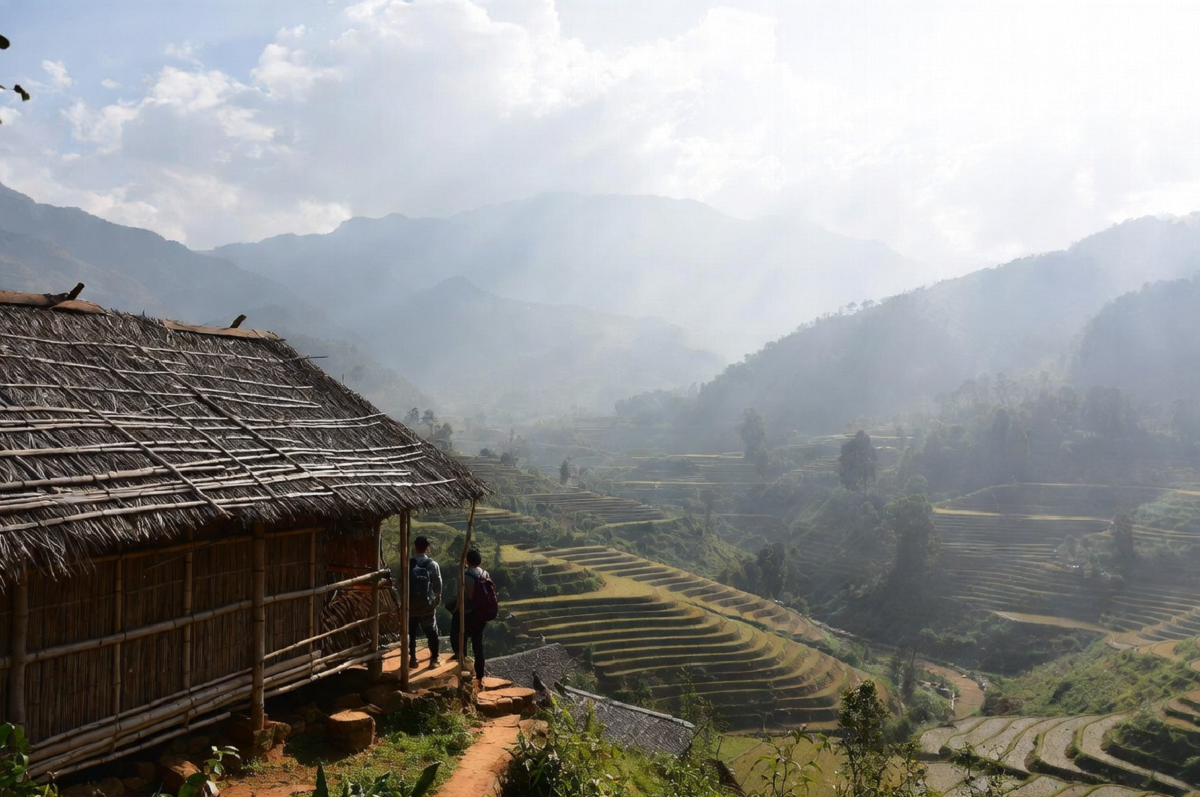
Choosing a homestay in Sapa is paramount for anyone seeking an authentic experience in Sapa, Vietnam, far beyond the typical tourist offerings. Unlike hotels in Sapa town, a Sapa homestay immerses travelers directly into the heart of Hmong and Dao communities, providing a genuine connection to local life. Guests stay in rustic, traditional homes, often without luxurious amenities but rich in cultural value, eating home-cooked meals prepared by their hosts. This intimate setting allows for unparalleled cultural exchange, offering insights into daily routines, traditional customs, and the challenges and joys of life in Northern Vietnam. The authenticity of a homestay experience is rooted in these direct interactions, fostering a deeper understanding and appreciation for the Hmong culture and the stunning natural environment of the rice terraces.
Connection with Local Cultures
The profound connection with local cultures is arguably the most compelling reason to choose a homestay in Sapa. Staying at a homestay provides an unparalleled opportunity to engage directly with the Hmong and Red Dao people, breaking down cultural barriers and fostering meaningful relationships. Guests can partake in communal meals, learn about traditional crafts like indigo dyeing, or even assist with daily tasks in the rice fields. This direct interaction, often facilitated by a local guide or the host family themselves, offers genuine insights into their customs, beliefs, and history, making the homestay experience more than just accommodation but a true cultural exchange. This deep immersion enriches the traveler’s understanding of Vietnam and ensures that tourism benefits the communities directly, making it an ethical choice for visiting Sapa.
Unique Accommodation Options
Homestays in Sapa present truly unique accommodation options that differentiate a trip to Sapa from any other travel experience in Vietnam. Far from the generic hotel rooms found in Sapa town, a Sapa homestay offers a rustic yet charming abode, often a traditional Hmong or Dao house built with local materials. Some homestays even feature distinctive bungalows nestled within the rice terraces, providing breathtaking mountain views directly from your window. These authentic homestays vary from basic, communal sleeping arrangements to slightly more private rooms, but all share the common thread of being hosted by a local family. This unique style of accommodation fosters an intimate atmosphere, allowing for genuine interaction and a deeper understanding of the local lifestyle, making your visit to Sapa unforgettable.
