

Embark on an unforgettable adventure through the breathtaking landscapes of Sapa, a region renowned for its stunning rice terraces and vibrant ethnic cultures. This comprehensive guide will equip you with everything you need to know for an incredible Sapa trekking experience, from planning your itinerary to choosing the perfect homestay.
Introduction to Sapa Trekking
Overview of Sapa
Sapa, nestled in the Hoàng Liên Son Mountains of northern Vietnam, is a captivating destination that draws travelers from all corners of the globe. Known for its dramatic mountains, lush valleys, and the intricate beauty of its rice fields, Sapa offers a unique blend of natural splendor and cultural immersion. The town itself, Sapa town, serves as a hub for exploring the surrounding villages and embarking on remarkable treks. It is a place where the rich traditions of ethnic minority groups, particularly the Hmong people, are vibrantly alive, offering a glimpse into a way of life that has remained largely unchanged for centuries. A visit to Sapa promises an enriching experience, allowing you to connect with both nature and the warm, welcoming local communities.
Why Trek in Sapa?
Trekking in Sapa is an unparalleled experience that provides a deep dive into the region’s extraordinary beauty and cultural tapestry. Unlike other destinations, a trek in Sapa allows you to truly immerse yourself in the daily lives of the local communities, walking through their villages and witnessing their agricultural practices firsthand. The stunning rice terraces, often referred to as the “stairways to heaven,” are a sight to behold, offering breathtaking vistas at every turn. Beyond the scenic beauty, the opportunity to stay in a homestay provides an authentic cultural exchange, offering a deeper understanding of the Hmong and other ethnic groups. A Sapa trekking adventure is more than just a hike; it is a journey of discovery, connecting you with nature, culture, and the resilient spirit of the Vietnamese people.
Understanding the Rice Fields
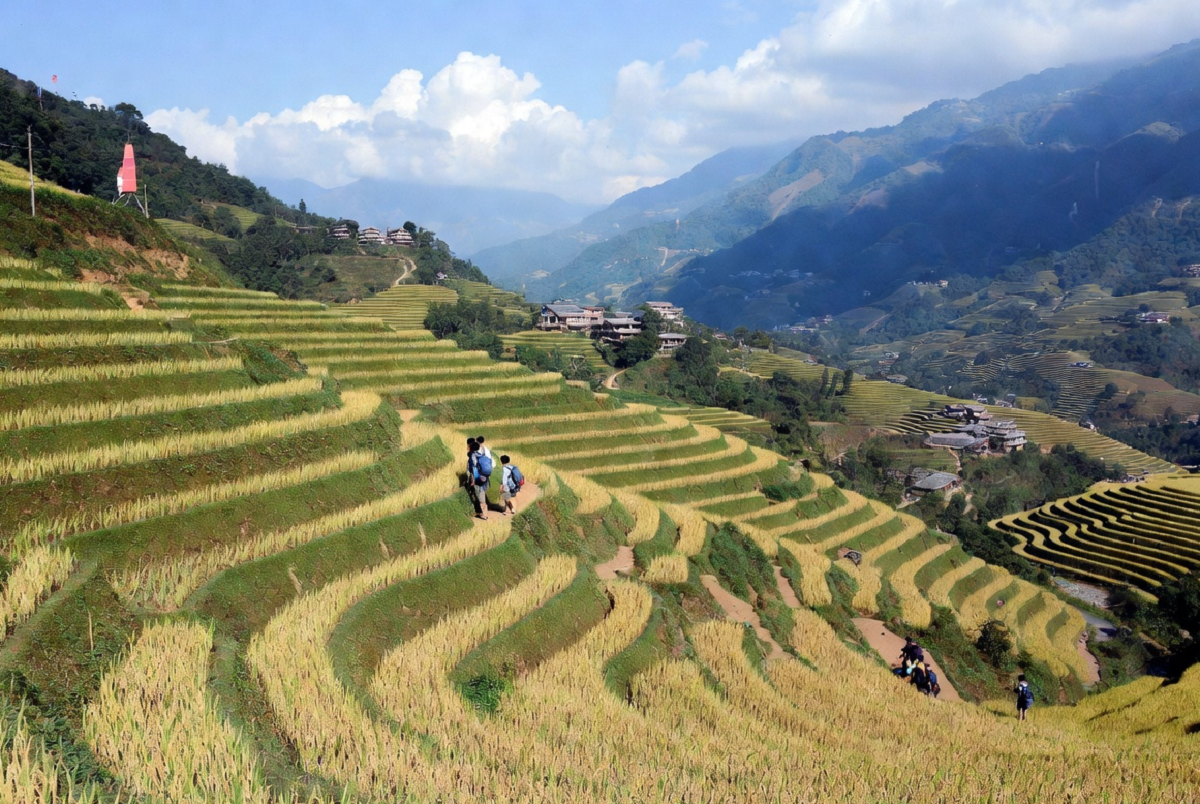
The iconic rice fields are undoubtedly one of the most captivating features of Sapa’s landscape, shaping not only the scenery but also the lives of the local inhabitants. These intricate rice terraces, carved into the hillsides by generations of farmers, are a testament to human ingenuity and harmony with nature. Understanding the rice fields is key to appreciating the region’s agricultural cycle and its cultural significance. Depending on the time of year you visit Sapa, you might witness the vibrant green shoots of newly planted rice, the golden hues of ripening crops ready for harvest, or the reflective pools of water during the rainy season. This cyclical transformation of the rice fields adds dynamic beauty to any Sapa itinerary and provides a constant reminder of the deep connection between the land and the people who call Sapa home.
Planning Your Trek in Sapa
Best Time to Visit Sapa
Choosing the best time to visit Sapa is crucial for an optimal trekking experience, as the weather significantly impacts the beauty of Sapa and the trekking conditions. Generally, the ideal periods are from March to May and September to November. During March to May, the weather is pleasantly cool and dry, perfect for a day trek or a multi-day trekking adventure, with clear skies offering stunning views of the rice terraces as they begin to turn vibrant green. From September to November, the rice fields are at their most breathtaking, ripening to a golden hue before harvest, making it an incredibly picturesque time for a trek in Sapa. It is important to avoid the peak of the rainy season, typically June to August, when trails can be muddy and visibility reduced, although some travelers enjoy the dramatic mist.
How to Get to Sapa
Getting to Sapa from Hanoi is a straightforward part of planning your itinerary, with several convenient options available for every traveler. The most popular choice is the overnight train to Sapa, which departs from Hanoi to Lao Cai, the nearest train station to Sapa. From Lao Cai, you can easily catch a local bus or taxi for the remaining hour-long journey directly to Sapa town. Alternatively, the sleeper bus offers a direct route from Hanoi to Sapa, often more budget-friendly and providing a comfortable overnight journey that allows you to wake up in Sapa ready for your first day of trekking. For those short on time or seeking a more comfortable experience, private car services can also be arranged, though they are generally pricier.
Tips and Advice for Trekking
To ensure a successful and enjoyable trek in Sapa, several tips and pieces of advice for trekking are essential for every adventurer. Always pack appropriate gear, including comfortable trekking shoes, a rain jacket, especially during the rainy season, and layers of clothing as temperatures can vary significantly. Carrying a reusable water bottle is not only environmentally friendly but also crucial for staying hydrated. When planning your trekking tour, consider engaging local trekking guides; they offer invaluable insights into the Hmong culture, navigation through local villages, and can help you discover hidden gems beyond popular spots like Cat Cat. Booking your homestay and trekking guides in advance, particularly during peak seasons, is highly recommended to secure your preferred options and ensure a smooth trip to Sapa.
Sapa Trekking Itinerary
Sample 3-Day Itinerary for Trekking Sapa
A sample 3-day itinerary for trekking Sapa offers a perfect balance of immersive cultural experiences and breathtaking natural beauty, making it an ideal choice for many travelers. On the first day, you typically embark on a day trek from Sapa town to a nearby village such as Cat Cat, exploring the local way of life and stunning rice terraces. The evening often culminates in a homestay experience, providing an authentic glimpse into Hmong culture and a delicious local dinner. The second day might involve a longer trek through more remote local villages, offering even more spectacular views of the rice fields and a deeper connection with the Vietnamese countryside, with another night in a Sapa homestay or a guesthouse. The final day usually includes a leisurely return trek to Sapa town, perhaps via a different route, before taking a sleeper bus or overnight train to Sapa from Lao Cai back to Hanoi, concluding your memorable Sapa trekking adventure.
Must-See Attractions During Your Trek
During your trek in Sapa, there are several must-see attractions that showcase the unparalleled beauty of Sapa and the rich cultural tapestry of the region. The iconic rice terraces, particularly those around Muong Hoa Valley, are a highlight, offering panoramic vistas that change with the seasons. Visiting local villages like Cat Cat, Ta Van, and Lao Chai provides an intimate insight into the lives of the Hmong people and other ethnic minority groups, allowing you to witness traditional crafts and daily routines. The Sapa market in Sapa town is another vibrant spot, bustling with local produce and handmade goods, perfect for experiencing the local hustle and bustle. For those seeking even more dramatic scenery, a trek to the Silver Waterfall (Thac Bac) or the Love Waterfall offers stunning natural beauty and refreshing breaks during your Sapa trekking tour.
Alternative Routes for Trekking Adventure
For those seeking a more unique trekking adventure beyond the typical paths, Sapa offers several alternative routes that promise unparalleled experiences. Instead of solely focusing on the popular Cat Cat village, consider a multi-day trek that delves deeper into less-visited local villages such as Ban Ho or Nam Cang. These routes often involve more challenging terrain but reward trekkers with even more pristine rice fields, authentic homestay opportunities, and a more profound connection with the Hmong communities, away from the main tourist hubs of Sapa town. Another exciting option is combining your trip to Sapa with a journey to Ha Giang, renowned for its dramatic landscapes and remote mountain passes, offering a truly epic Northern Vietnam adventure. Discussing these alternative routes with local trekking guides, like the Sapa Sisters, can unlock a truly bespoke and unforgettable Sapa itinerary, ensuring every day of trekking is tailored to your adventurous spirit.
Homestay Experience in Sapa
Choosing the Right Homestay
Choosing the right homestay is a crucial element of planning your Sapa itinerary, as it profoundly shapes your cultural immersion and overall experience during your trek in Sapa. To ensure an authentic and comfortable stay in Sapa, it is advisable to look for homestays that are genuinely run by local Vietnamese families, particularly those from the Hmong community, in the local villages surrounding Sapa town. Booking in advance, especially during peak travel times, is highly recommended to secure your preferred option and confirm amenities like a mosquito net or hot water. Reading reviews from other travelers can provide invaluable insights into the hospitality of your hosts and the general atmosphere of the homestay, ensuring your night in Sapa is as enriching as your day trek.
Cultural Insights from Vietnamese Locals
A homestay provides unparalleled cultural insights from Vietnamese locals, offering a deep dive into the Hmong way of life that goes beyond what any guide to trekking could convey. During your stay in Sapa, you will have the unique opportunity to share meals with your host family, learn about their traditional customs, and even participate in daily activities, from cooking local dishes to understanding their agricultural practices in the rice fields. These intimate interactions allow for a genuine exchange, helping travelers appreciate the resilience and warmth of the local communities. It is an essential part of the Sapa trekking adventure, fostering a connection that truly makes your trip to Sapa memorable and enriching, offering a perspective far removed from the bustling Sapa town.
What to Expect During Your Stay in Sapa
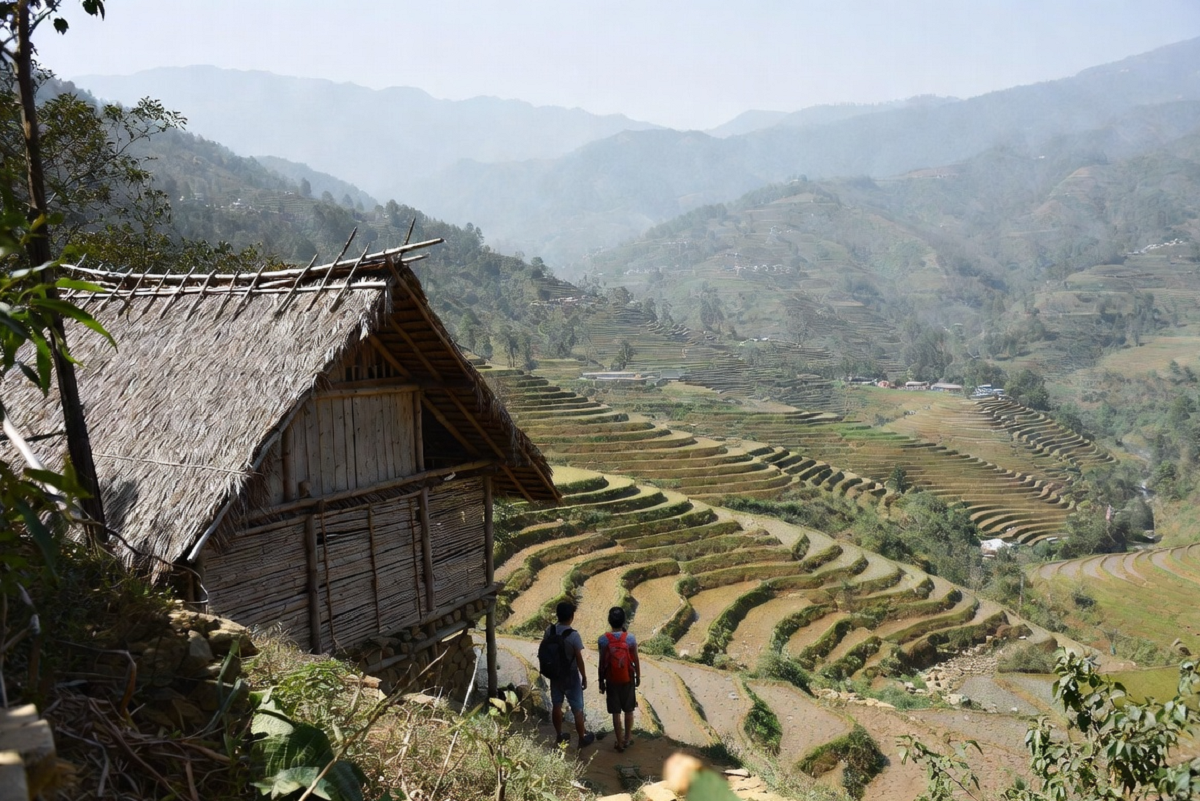
When planning what to expect during your stay in a Sapa homestay, prepare for a rustic yet profoundly rewarding experience. Most homestays in the local villages offer basic but clean accommodations, often featuring communal sleeping areas with comfortable mattresses and a mosquito net, ensuring a peaceful night in Sapa. While modern luxuries might be limited, the hospitality is boundless, with hosts eager to share their culture and traditional cuisine. Expect to wake up to breathtaking views of the rice terraces, share delicious home-cooked meals, and engage in meaningful conversations that offer a true glimpse into daily life in northern Vietnam. It is an integral part of the Sapa trekking experience, complementing your day trek and providing a deeper understanding of the beauty of Sapa and its people.
Preparing for Your Trek
Essential Packing List for Sapa
An essential packing list for Sapa is crucial for a comfortable and enjoyable trekking adventure, ensuring you have everything you need to navigate the diverse terrains and weather conditions of northern Vietnam. Foremost, sturdy, waterproof trekking shoes are non-negotiable for tackling potentially muddy trails, especially during the rainy season. Layers of clothing are key, as temperatures can fluctuate throughout the day, including warm layers for evenings and a light rain jacket. Do not forget a hat, sunglasses, sunscreen, and insect repellent to protect against the elements. A reusable water bottle is vital for staying hydrated during your day trek, and a small backpack will be useful to carry essentials. Consider a first-aid kit, a headlamp, and a power bank, especially if you plan an extended stay in local villages.
Health and Safety Tips
Prioritizing health and safety tips is paramount for a worry-free trek in Sapa, allowing you to fully immerse yourself in the beauty of Sapa and the cultural richness of its local villages. Before your trip to Sapa, consult your doctor about necessary vaccinations and any personal medications you might need. During your trek in Sapa, always stay on marked paths, especially when navigating the rice terraces, and be mindful of your surroundings. It is highly recommended to trek with local trekking guides, particularly the Sapa Sisters, as they possess invaluable knowledge of the terrain and local customs, ensuring your safety and enhancing your trekking tour. Keep hydrated with your water bottle, protect yourself from the sun, and always inform someone of your itinerary, especially if embarking on a one-day trek or multi-day journey.
Understanding the Rainy Season
Understanding the rainy season is vital when planning your Sapa itinerary, as it significantly impacts trekking conditions and the visual appeal of the rice fields. The rainy season in Sapa typically spans from June to August, characterized by frequent downpours that can make trails muddy and slippery, requiring extra caution and appropriate gear like a quality rain jacket. While some travelers might shy away, the rainy season also brings a unique, mystical beauty to Sapa, with mist often shrouding the mountains and waterfalls flowing powerfully, creating dramatic landscapes. The rice fields during this time are often lush and vibrantly green, reflecting the sky and creating stunning photographic opportunities. For those who choose to visit Sapa during this period, embracing the elements with the right packing for Sapa and a flexible mindset ensures a memorable trekking adventure.
