

This comprehensive Sapa travel guide is your ultimate resource for planning an unforgettable adventure to this picturesque region of northern Vietnam. Prepare to discover the magic of Sapa, Vietnam, on your own terms. We’ll delve into everything you need to know, including:
- How to trek in Sapa, offering invaluable tips for those who wish to explore Sapa without a guide.
- Transportation options for crafting the perfect itinerary.
Getting to Sapa
Embarking on your Sapa adventure requires understanding the best ways to get to Sapa, a crucial first step in any travel guide. Situated in the Hoàng Liên Son Mountains, Sapa town is a gateway to stunning rice fields, vibrant local culture, and incredible trekking opportunities. While a trekking guide can be helpful, many travelers prefer the freedom of exploring Sapa without a guide, making the journey itself an integral part of the experience.
Traveling to Sapa from Hanoi
Most travelers begin their journey to Sapa from Hanoi, the bustling capital of Vietnam. There are several convenient options to travel from Hanoi to Sapa, allowing you to choose based on your budget and preferred travel style. Planning your transport from Hanoi well in advance is a key Sapa travel tip, especially during peak seasons, to ensure a smooth arrival in Sapa and maximize your time in Sapa.
Transportation options to Sapa
When considering how to get to Sapa from Hanoi, you have a few primary transportation options:
- The overnight train to Lao Cai, followed by a local bus or taxi to Sapa town, is a popular and scenic choice.
- Comfortable sleeper buses offer a direct route, often dropping you right in the heart of Sapa.
- Private cars can also be arranged, providing a more personalized way to arrive in Sapa.
Best time to visit Sapa
Choosing the best time to visit Sapa significantly impacts your trekking experience, especially if you plan to trek without a guide. Understanding the weather patterns is essential for an enjoyable trekking experience around Sapa. Here are some key considerations:
- The spring months (March to May) offer pleasant weather and blooming flora.
- Autumn (September to November) showcases the iconic golden rice terraces.
- Be aware that the rainy season (June to August) can make trails muddy.
- Winter (December to February) can be quite cold.
Where to Stay in Sapa
Choosing where to stay in Sapa is a pivotal decision that can significantly enhance your overall travel experience, especially if you plan to explore Sapa without a guide. This section of our Sapa travel guide will provide everything you need to know about the various accommodation options available, helping you find the perfect base for your trekking adventures. Whether you prefer the convenience of Sapa Town or the immersive cultural experience of a homestay in a local village, understanding your choices is key to an unforgettable visit to Sapa, Vietnam. Thoughtful planning regarding your stay will allow you to maximize your time in Sapa and fully appreciate the stunning rice fields and surrounding landscapes.
Accommodations in Sapa Town
Sapa Town offers a wide array of accommodation choices, ranging from budget-friendly hostels to luxurious hotels, making it a convenient hub for many visitors who want to visit Sapa. Staying in Sapa Town provides easy access to amenities, restaurants, and shops, as well as the cable car station for those planning to ascend Fansipan. From here, you can also easily arrange transport to various trekking starting points or popular attractions like Cat Cat Village. While the town itself can be bustling, it serves as an excellent base for organizing your trekking adventures, even if you choose to trek in Sapa without a guide.
Staying in a Homestay
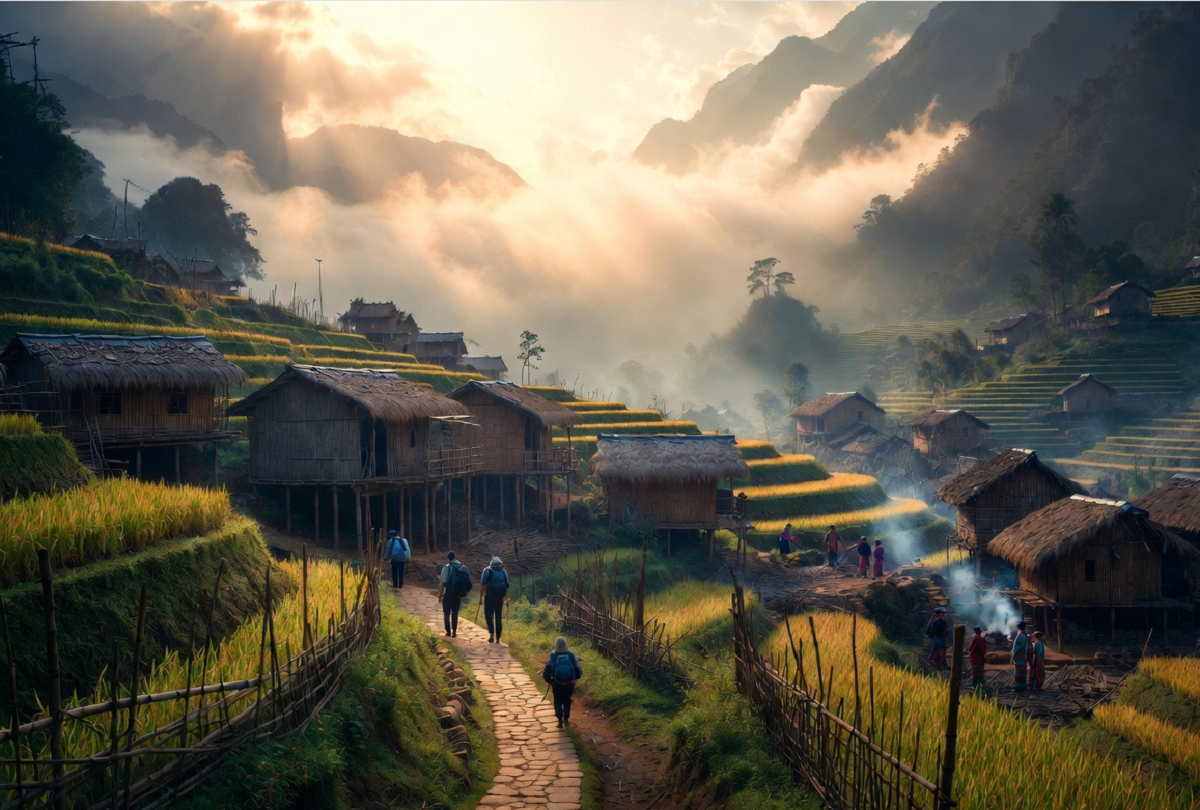
For a truly authentic and immersive cultural experience, choosing to stay in a homestay within a local village, such as those found in the Muong Hoa Valley, is highly recommended. Many homestays are run by ethnic minority families, like the Hmong, offering a unique opportunity to learn about their traditions and daily life. This option is particularly appealing for those who want to trek in Sapa and gain a deeper understanding of the local culture, often including home-cooked meals. While these locations might be more remote than Sapa Town, they provide unparalleled access to the breathtaking rice terraces and a peaceful environment, perfect for your trekking experience.
Choosing the right place for your stay
The right place to stay in Sapa ultimately depends on your travel style, budget, and desired trekking experience. If you prioritize convenience and modern amenities, booking accommodation in Sapa Town might be ideal. However, for a more profound connection with the local culture and direct access to stunning landscapes, a homestay offers an enriching alternative, often eliminating the need for extensive travel plans each day. Consider how much time in Sapa you want to spend trekking versus exploring the town and make your choice accordingly to ensure your visit to Sapa, Vietnam, is everything you dreamed of.
Exploring Sapa
Things to do in Sapa
Exploring Sapa offers a myriad of enriching activities beyond just trekking. As your Sapa travel guide, we want to ensure you have everything you need to know about the diverse things to do in Sapa. From cultural immersion to breathtaking scenic views, there’s something for every traveler. Many visitors find joy in exploring Sapa Town’s vibrant market, where local Hmong and other ethnic groups gather to sell their crafts and produce. For those who want to understand the local culture more deeply, attending a traditional music or dance performance can be a truly memorable experience, enhancing your time in Sapa.
Visiting local villages
A visit to the local villages is an absolute must when you visit Sapa, providing profound insight into the lives of the ethnic minority communities. Exploring Sapa’s surrounding villages, such as Cat Cat Village, Lao Chai, Ta Van, and Giang Ta Chai, allows you to witness traditional farming methods and intricate hand-woven textiles. For many, a homestay experience in one of these villages, often nestled amidst stunning rice fields and rice terraces in the Muong Hoa Valley, is a highlight of their Sapa travel. Even if you choose to trek without a guide, these villages are accessible and offer a genuine connection to the local culture of Sapa, Vietnam.
Must-see attractions around Sapa
Beyond the captivating villages, there are several must-see attractions around Sapa that should be on your itinerary. The majestic Fansipan mountain, often called the “Roof of Indochina,” is easily accessible via the Fansipan cable car, offering unparalleled panoramic views. Another iconic spot is the Silver Waterfall (Thac Bac), a beautiful cascade that is particularly impressive during the rainy season. Exploring Sapa also means discovering its ancient rock field, providing historical context to the region. Ensure you allocate enough time in Sapa to truly appreciate these natural and cultural wonders.
Trekking in Sapa
Trekking routes without a guide
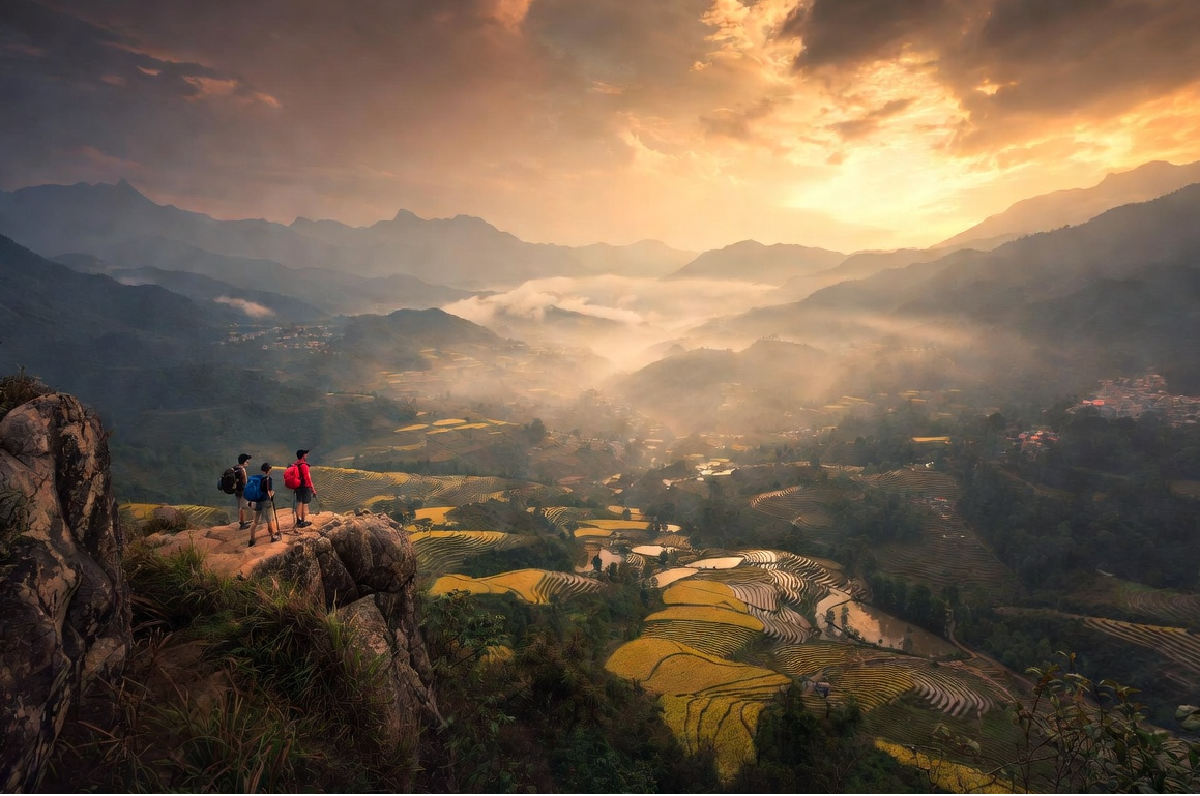
For those adventurous spirits keen to trek in Sapa without a guide, there are several rewarding trekking routes available. While a local guide can enhance the experience, many paths are well-trodden and can be navigated independently with a good map and preparation. Popular routes include treks to Cat Cat Village, a relatively easy walk from Sapa Town, or journeys through the Muong Hoa Valley to villages like Lao Chai and Ta Van. It’s crucial to research the routes thoroughly and be prepared for potentially muddy conditions, especially during certain times to visit Sapa.
Essential trekking tips
Embarking on a Sapa trekking adventure, particularly without a guide, requires some essential trekking tips to ensure a safe and enjoyable experience. Always carry sufficient water and snacks, and inform someone of your planned route. Wearing appropriate footwear is paramount, as trails can be uneven and, at times, muddy. Understand the local customs, especially when passing through Hmong villages, and always be respectful. This guide to Sapa emphasizes preparedness; knowing before you go will significantly enhance your trekking experience in Sapa, Vietnam.
What to pack for trekking in Sapa
Knowing what to pack for trekking in Sapa is vital for a comfortable and successful trip. Lightweight, quick-drying clothing is recommended, alongside a waterproof jacket, regardless of the time to visit. Sturdy, waterproof trekking boots with good ankle support are essential for navigating the often muddy or slippery trails. Don’t forget a first-aid kit, sun protection, insect repellent, and a portable power bank. For those planning to trek in Sapa without a guide, a reliable map, compass or GPS app, and a headlamp are also crucial items to ensure your safety and enjoyment.
Sapa Itinerary
Sample 3-day itinerary
Crafting a sample 3-day Sapa itinerary is an excellent way to ensure you experience the best of Sapa, Vietnam, especially if you plan to trek in Sapa without a guide. A typical first day might involve arriving in Sapa from Hanoi, settling into your accommodation in Sapa Town or a homestay, and then taking a leisurely afternoon walk to Cat Cat Village to get a taste of the local Hmong culture and stunning rice fields. The second day could be dedicated to a more extensive trek through the Muong Hoa Valley, visiting villages like Lao Chai and Ta Van, where you can admire the iconic rice terraces. On your final day, consider ascending Fansipan via the cable car for panoramic views, or explore the local market before your journey back. This Sapa travel guide ensures you make the most of your time in Sapa.
Customizing your Sapa itinerary
Customizing your Sapa itinerary is crucial to align with your personal interests and fitness level, particularly when you trek in Sapa without a guide. If you’re an avid trekker, you might extend your trekking trip to include more remote villages and challenging routes, perhaps even an overnight homestay experience. For those who prefer a more relaxed pace, allocate more time to explore Sapa Town, enjoy local cuisine, or simply soak in the views of the rice fields from a comfortable vantage point. Consider the time to visit Sapa; drier months are ideal for extensive trekking, while the rainy season might prompt more indoor activities or shorter, less muddy treks. Your personalized travel guide to Sapa will reflect everything you need to know for your ideal adventure.
Time management while trekking
Effective time management while trekking in Sapa is paramount, particularly for those who choose to trek without a guide. Start your treks early in the morning to avoid the midday heat and ensure ample daylight for navigation, especially if you’re exploring the more remote rice terraces or trails around Sapa. Factor in time for breaks, photo opportunities, and unexpected encounters with local Hmong villagers. Be realistic about your pace and distance capabilities; don’t overcommit to an overly ambitious itinerary that could lead to exhaustion or getting lost. This Sapa travel guide stresses the importance of always having a contingency plan and allowing flexibility in your schedule to fully enjoy your trekking experience.
Travel Tips for Sapa
Know before you go
To truly enjoy your Sapa travel and trekking experience, especially if you plan to trek in Sapa without a guide, it’s essential to know before you go. Research the best time to visit Sapa to align with your preferences for weather and rice field conditions. Understand that while many locals in Sapa Town speak some English, communication might be more challenging in remote villages. Always carry local currency, Vietnamese Dong, as credit card facilities are limited outside of Sapa Town. Be aware of the cultural nuances and traditions of the Hmong and other ethnic groups you might encounter. This travel guide aims to provide everything you need to know for a smooth trip.
What to expect while trekking
When you trek in Sapa, you can expect diverse terrain ranging from well-defined paths to steep, muddy, or rocky trails, especially if you venture away from the main routes without a guide. The iconic rice terraces will be a constant, breathtaking backdrop, but be prepared for varying weather conditions; sudden downpours are not uncommon, even outside the rainy season. You will encounter local villagers, often women and children, offering to be a local guide or selling handicrafts. A respectful “no thank you” is usually sufficient if you don’t wish to engage. The physical demands of trekking in Sapa are moderate to challenging, so good physical fitness is a plus.
Local customs and etiquette
Respecting local customs and etiquette is crucial for a positive Sapa travel experience, particularly when interacting with ethnic minority communities in the villages. Always ask for permission before taking photos of people, especially children. When visiting a homestay or a local’s home, remember to remove your shoes before entering. Modest dress is appreciated, particularly in religious sites. Avoid giving money directly to children, as it can encourage begging; instead, consider supporting local businesses or buying handicrafts. A genuine smile and a respectful attitude will go a long way in fostering positive interactions during your visit to Sapa, Vietnam.
