

Sapa, a picturesque town nestled in the Hoàng Liên Son mountains of northern Vietnam, is renowned for its breathtaking landscapes, vibrant cultural tapestry, and the iconic terraced rice fields. Planning your trip to Sapa involves understanding its unique climate and seasonal changes to ensure you discover the best time for your travel experience. This comprehensive guide will help you determine the ideal months to visit Sapa, whether you’re seeking lush green vistas, golden rice terraces, or optimal trekking conditions.
Understanding the Best Time to Visit Sapa
Deciding on the best time to visit Sapa is crucial for an unforgettable Vietnam travel experience. The town’s allure transforms with each season, offering different activities and sights, from vibrant green rice fields in the summer to the stunning golden rice terraces during harvest. This section will provide an overview of Sapa’s climate and the key factors that influence the most opportune times to plan your trip to Sapa, ensuring you can trek, sightsee, and engage in cultural encounters comfortably.
Overview of Sapa’s Climate
Sapa’s climate is characterized by its subtropical highland conditions, offering a distinct contrast to many other parts of Vietnam. The weather can change rapidly, with mornings often bringing misty or foggy conditions that clear to reveal stunning views, especially during the dry season. Understanding these seasonal shifts is essential when planning a trip to Sapa, as they dictate the appearance of the rice terraces, from the vibrant green rice of the planting season to the breathtaking golden rice fields ready for harvest. The cooler weather in Sapa also provides a refreshing escape from the heat found in other regions of northern Vietnam, making it an attractive destination year-round for many.
Factors Influencing the Best Time to Visit Sapa
Several factors influence the best time to visit Sapa, each contributing to a unique travel experience. The most prominent factor is the agricultural cycle of the rice terraces. Weather conditions also play a significant role; the dry season brings clear skies and optimal trekking conditions, while the rainy season, from June to August, can make some treks challenging due to muddy paths but also provides a distinct, misty beauty. Cultural festivals and local life events, such as Tet, can also enhance your visit to Sapa, providing deeper cultural encounters.
| Time Period | Rice Terrace Appearance |
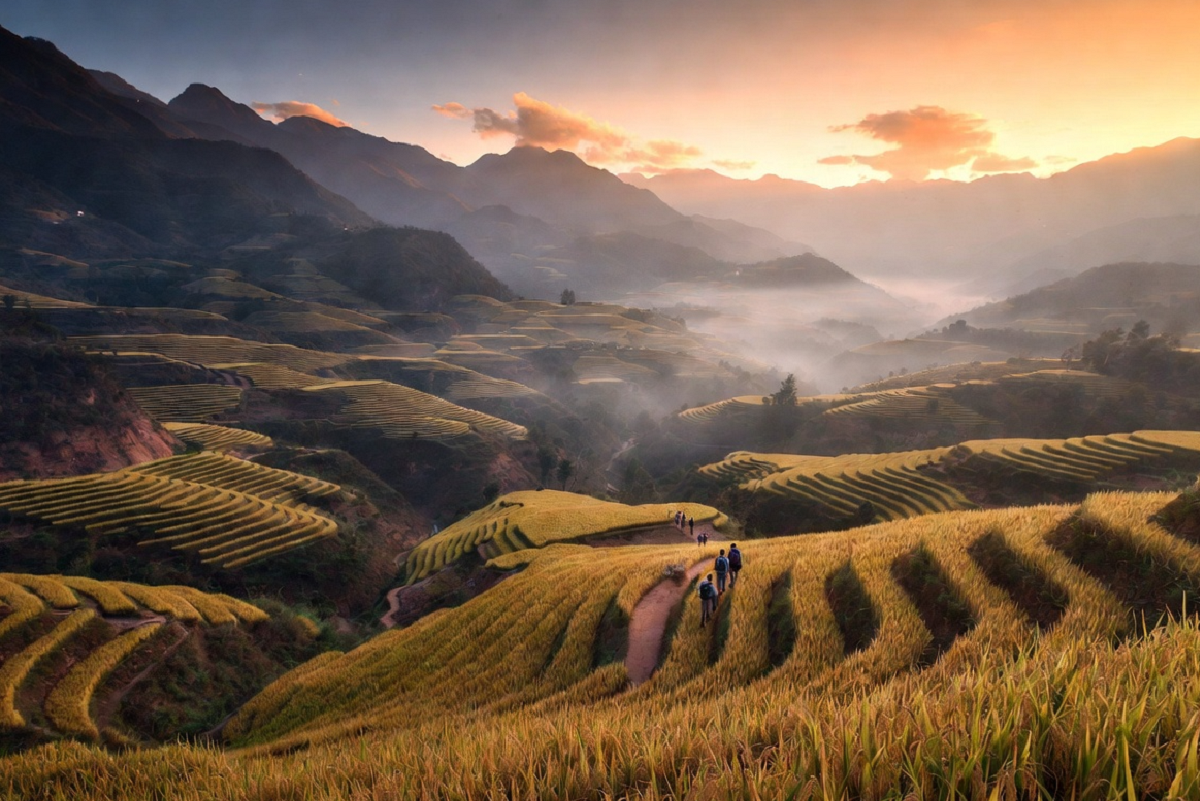
| September to November | Iconic golden rice terraces (harvest season) |
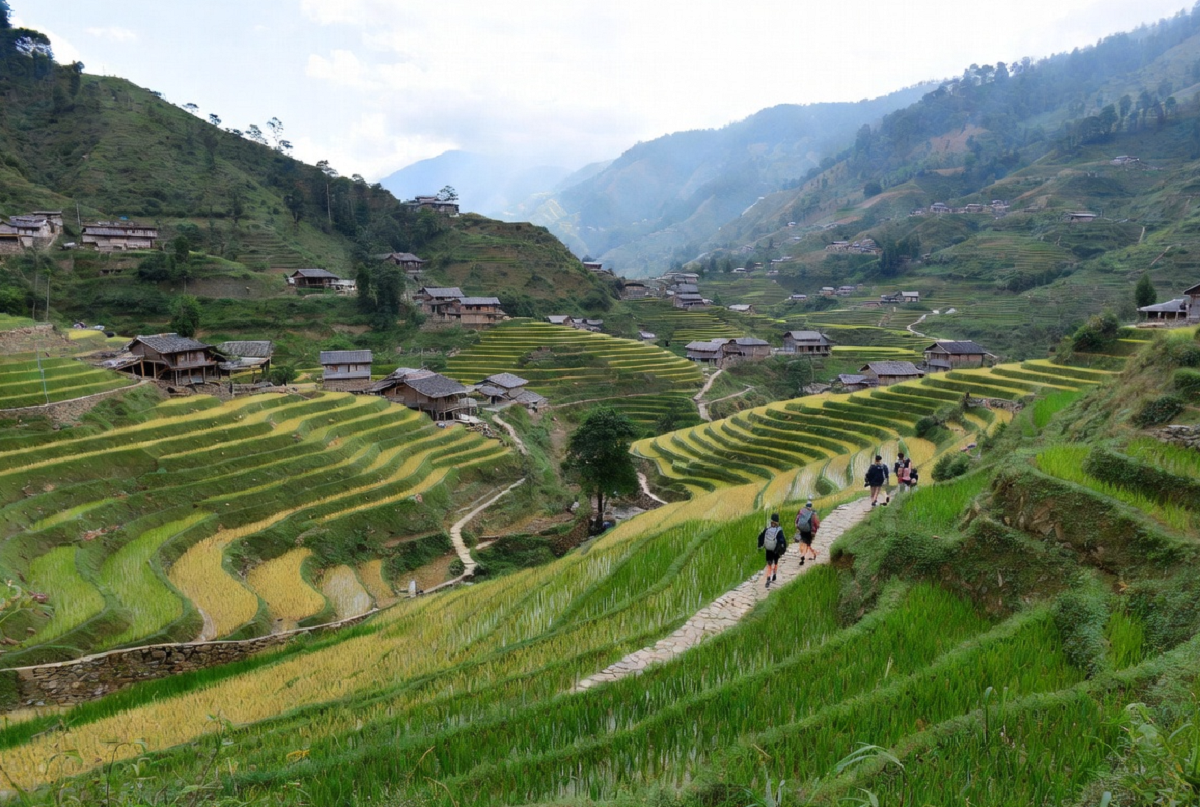
| May and June | Lush green rice fields (rice begins to bloom) |
Travel Guide: Planning Your Trip
To plan your perfect trip and ensure you choose the perfect time to visit Sapa, consider what you want to experience. A complete guide to Sapa weather by season will help you align your visit with your desired activities, whether it’s extensive trekking, exploring Sapa town, or simply enjoying the breathtaking landscapes. Remember to pack accordingly for the variable climate of this beautiful region in northern Vietnam.
Here’s a guide to ideal visiting times based on what you’d like to see:
| Desired Experience | Ideal Time to Visit |
| Trekking and spectacular golden rice terraces | September to November |
| Lush green rice terraces and blooming flowers | March to May or June to August (note: June-August is rainy season with potential fog) |
Month-by-Month Guide to Visiting Sapa
January to March: Winter in Sapa
January to March marks the cooler, often misty winter period in Sapa, offering a unique travel experience for those planning a trip to Sapa during these months. While it might not be the best time to visit Sapa for clear skies and extensive trekking, it presents an opportunity for cultural encounters and experiencing Sapa town in a different light. Temperatures can drop significantly, especially in January, sometimes even bringing frost or light snow to higher elevations, a rare sight in Vietnam. Despite the cooler weather, the quiet charm of the rice fields and the local life of ethnic minorities offer a tranquil backdrop, and it is a good time to explore markets and enjoy hot local cuisine. This period offers a distinct beauty for those who enjoy a cool, atmospheric climate when they visit Sapa.
April to June: Spring and Early Summer
April to June is considered by many to be one of the best times to visit Sapa, offering a delightful transition from the cool winter to the vibrant warmth of early summer. During these months, the weather becomes increasingly pleasant, with blooming flowers adorning the hillsides and the rice fields transforming into lush green canvases as the rice begins to bloom. April is particularly known for its clear skies and comfortable trekking conditions, making it an excellent time for trekking in Sapa and exploring the breathtaking landscapes. May and June see the rice terraces at their most vibrant green, ideal for those seeking to witness the iconic green rice terraces. This period offers abundant opportunities to trek, sightsee, and immerse oneself in the natural beauty and local life, making it a prime time for a trip to Sapa.
July to September: The Rainy Season
July to September falls within Sapa’s rainy season, characterized by more frequent rainfall and often foggy or misty conditions. While this might not seem like the ideal time for trekking, it offers a distinct charm and unique travel experience for those who choose to visit Sapa during these months. The rain breathes life into the landscapes, making the green rice terraces appear even more vibrant and lush. Although some trekking paths can become muddy, the cooler weather provides a refreshing escape from the heat found in other parts of northern Vietnam. It’s a time when Sapa’s mountains are often shrouded in mist, creating dramatic and picturesque scenes. For adventurers undeterred by rain, these months offer a serene and less crowded opportunity to connect with the local life and enjoy the natural beauty.
October to December: Autumn and Winter
October to December marks the arrival of autumn and the onset of winter in Sapa, offering some of the most spectacular views and making it an exceptionally popular time to visit Sapa. October and November are widely considered the best months to witness the iconic golden rice terraces, as the rice fields reach their peak before the harvest season. The breathtaking landscapes transform into a sea of shimmering gold, creating unparalleled photo opportunities and an unforgettable Vietnam travel experience. The cooler weather and clear skies during early autumn provide excellent trekking conditions, allowing visitors to fully appreciate the stunning vistas and engage in cultural encounters with local communities. By December, the temperatures drop further, bringing a crisp, often misty ambiance to Sapa, perfect for those seeking a tranquil and atmospheric getaway before the full chill of winter sets in.
Travel Tips for Visiting Sapa
Best Months for Specific Activities
To truly discover the best time to visit Sapa for specific activities, it’s essential to align your travel plans with the Sapa weather by season. Planning a trip around these periods ensures you maximize your cultural encounters and enjoyment of Sapa’s natural beauty.
| Activity/Sight | Best Time to Visit |
|---|---|
| Golden Rice Terraces | October and November |
| Vibrant Green Rice Terraces | May and June |
| General Sightseeing and Blooming Flowers | March to May |
| Misty/Foggy Atmosphere (Quieter Visit) | June to August (Rainy Season) |
Essential Travel Tips for Visiting Sapa
When planning a trip to Sapa, a few essential travel tips can significantly enhance your Vietnam travel experience. Always pack layers, as the weather in Sapa can be quite unpredictable, shifting from clear skies to misty conditions within hours, especially during the cooler months. Comfortable walking shoes are a must if you plan to trek or explore the rice terraces and local villages. It’s also advisable to book accommodation and popular tours in advance, particularly during the best months to visit Sapa, such as October and November, to ensure availability. Engaging with local guides not only enriches your cultural encounters but also supports the local life of the ethnic minorities. Don’t forget to carry a good quality camera to capture the breathtaking landscapes and vibrant scenes of Sapa town.
Visa Requirements for Visiting Vietnam
Before you even begin to consider the best time to visit Sapa, understanding Vietnam’s visa requirements is paramount for your trip to Sapa. Most international visitors will need a visa to enter Vietnam, though some nationalities are exempt for short stays. It’s crucial to check the current regulations well in advance of your departure, as these can change. You can typically apply for an e-visa online, which is a straightforward process, or obtain a visa on arrival with a pre-approved letter. Ensure your passport has at least six months of validity remaining from your planned entry date. Having your visa sorted smoothly allows you to focus on planning your perfect trip, whether it’s arranging your trek through the golden rice fields or exploring the vibrant local life in Sapa, without any last-minute complications.
Things to Do in Sapa Throughout the Year
Popular Attractions and Activities
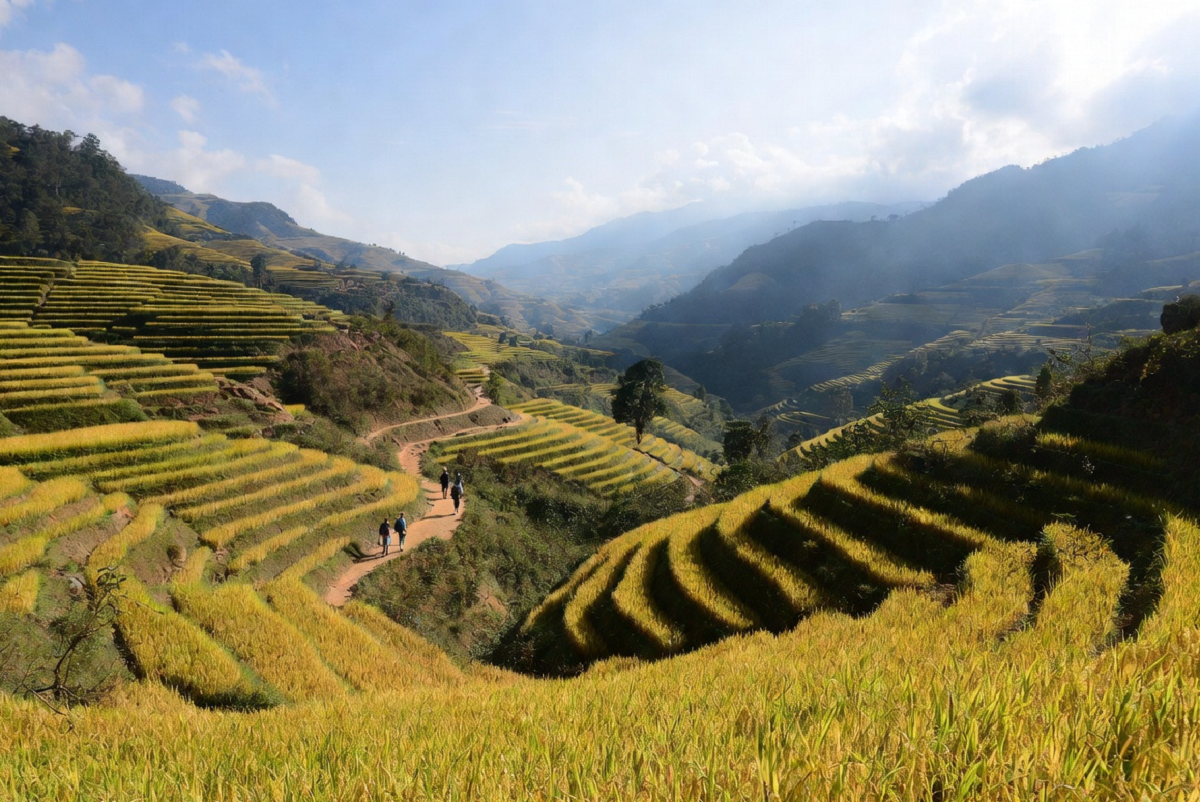
Sapa offers a plethora of popular attractions and activities that cater to every type of traveler, making it crucial to plan your trip and choose the perfect time to visit Sapa based on your interests. Trekking through the iconic rice terraces is undoubtedly a highlight, with options ranging from easy strolls to challenging multi-day hikes that offer breathtaking landscapes and opportunities for cultural encounters with ethnic minority communities. Exploring Sapa town itself allows visitors to discover local markets, enjoy traditional cuisine, and observe the vibrant local life. Other popular activities include visiting Ham Rong Mountain for panoramic views, exploring ancient rock formations, and discovering the Silver Waterfall and Love Waterfall, each providing a unique Vietnam travel experience. The best months for these activities often coincide with the cooler weather and clear skies, ensuring optimal trekking conditions and visibility.
Local Festivals and Events
Experiencing local festivals and events in Sapa can significantly enrich your cultural encounters and provide a deeper insight into the local life of the region’s ethnic minorities. While these events don’t strictly dictate the best time to visit Sapa, they certainly enhance the travel experience. The most significant celebration is Tet, the Vietnamese Lunar New Year, typically falling between late January and mid-February, offering a vibrant display of traditions and festivities, though many local businesses may be closed. Other smaller, more localized festivals and market days occur throughout the year, celebrating harvests, religious ceremonies, or community gatherings. To ensure you catch one of these unique events, it’s advisable to check a complete guide to Sapa’s cultural calendar when planning a trip. These cultural events often add another layer of enjoyment to your visit, showcasing the rich heritage of Sapa.
Exploring Sapa’s Natural Beauty
Exploring Sapa’s natural beauty is a primary draw for visitors, and the best time to visit Sapa often hinges on what aspect of its natural splendor you wish to witness. The majestic rice terraces are, of course, a star attraction; to see the lush green rice fields, the months from May to August are ideal, while October and November offer the spectacular golden rice terraces during the harvest season. For those who love blooming flowers, the spring months of March to May bring vibrant displays across the hillsides, adding to the breathtaking landscapes. Trekking in Sapa allows you to immerse yourself in this natural beauty, navigating through valleys, past waterfalls, and alongside rivers. Even during the misty or foggy periods, the landscapes possess a mystical charm, providing unique photographic opportunities and a serene travel experience for those who wish to sightsee and connect with nature.
