

Sapa, a mesmerizing town nestled in the Hoàng Liên Son mountains of northern Vietnam, is a dream destination for trekkers and culture enthusiasts alike. Famous for its breathtaking rice terraces and vibrant ethnic minority communities, a trek in Sapa offers an unforgettable journey into the heart of Vietnam’s stunning landscapes and rich cultural tapestry. This guide provides comprehensive information on how to visit Sapa and offers invaluable local trek tips to ensure you have a wonderful experience.
Getting to Sapa
Planning your journey to Sapa is the first step towards an incredible adventure amidst Vietnam’s beautiful rice fields. Sapa, though seemingly remote, is quite accessible, particularly from Hanoi, the capital. Understanding the various transportation options, knowing the best time to visit Sapa, and securing your booking in advance are crucial for a smooth and enjoyable trip to Vietnam. Whether you envision a leisurely 2-day itinerary or a more extensive 3-day exploration, getting to Sapa is the gateway to discovering its majestic beauty.
Transportation Options
The most common way to get to Sapa is by overnight train or bus from Hanoi. The train journey, while longer, provides a comfortable experience, often with sleeper berths, allowing you to arrive refreshed in Lao Cai, the nearest train station to Sapa. From Lao Cai, it’s a scenic one-hour bus or taxi ride up to Sapa town. Alternatively, several comfortable overnight buses operate directly from Hanoi to Sapa, offering a more direct and often more budget-friendly option. For those seeking flexibility, hiring a private car is also an option, though it is typically more expensive.
Best Time to Visit Sapa
The ideal time to visit Sapa largely depends on what you wish to experience. March to May and September to November offer the most pleasant weather for a Sapa trek, with clear skies and comfortable temperatures. During these periods, the rice terraces are either vibrant green (April-May) or golden yellow, ready for harvest (September-October), presenting stunning photographic opportunities. June to August can be very hot and humid, while December to February brings cold weather, fog, and sometimes even snow, which can be an interesting experience but less ideal for extensive trekking.
Booking Your Journey
It is highly recommended to make your booking for transportation and accommodation in Sapa in advance, especially during peak season. Reputable tour companies and private tour operators in Hanoi can assist with combined train and transfer tickets, or you can book directly through train and bus websites. For your Sapa tour or Sapa trekking tour, consider booking with a local guide or a tour company like Sapa Sisters, known for their ethical practices and knowledgeable Hmong guides, ensuring your money goes directly to local communities and families.
Sapa Trekking Tours
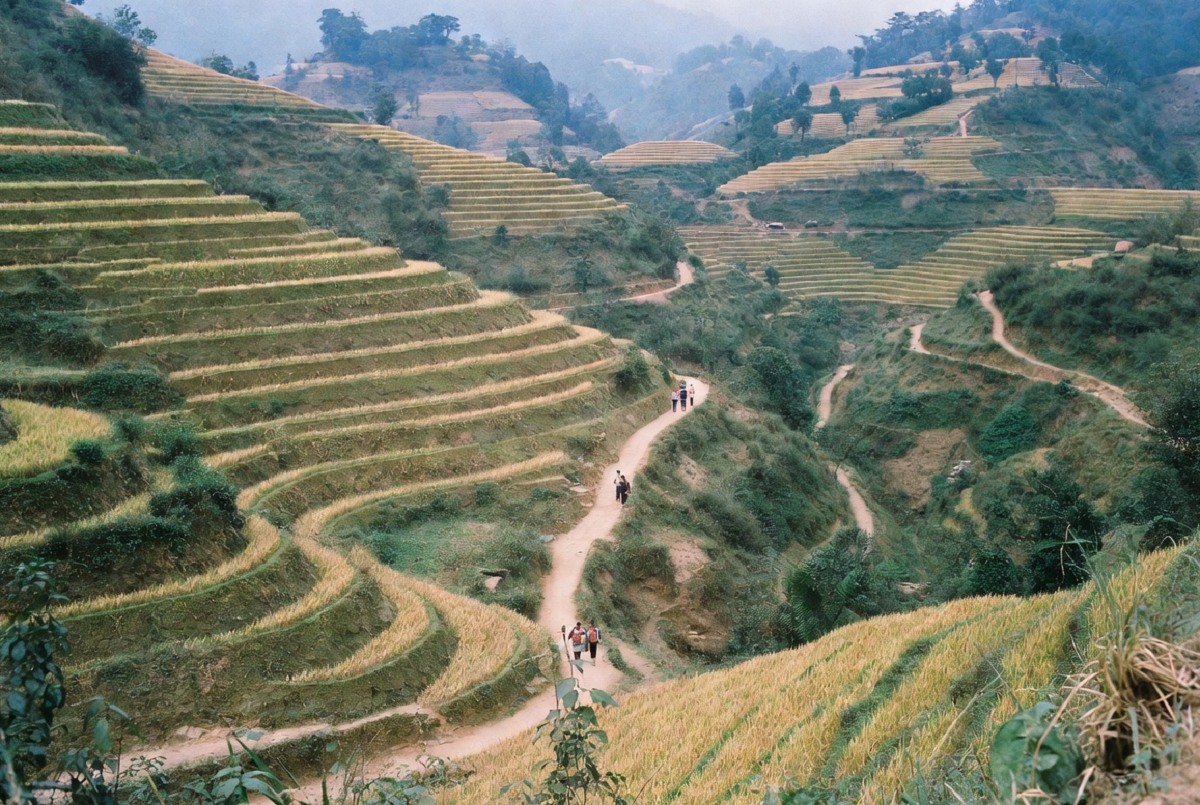
A Sapa trekking tour is undoubtedly the highlight for many visitors to this magnificent region of Vietnam. It offers an unparalleled opportunity to immerse yourself in the stunning natural beauty of the rice terraces and connect with the vibrant local culture. Planning your trek in Sapa requires considering various factors, including the type of experience you seek, whether that’s a challenging ascent to Fansipan or a gentle stroll through the Muong Hoa Valley. Booking with a reputable tour company or a private tour operator, like Sapa Sisters, ensures a well-organised and ethical experience where your money goes directly to support local communities and families.
Types of Sapa Trekking Tours
Sapa offers a diverse range of trekking tours to suit every level of fitness and interest. For those seeking an immersive cultural experience, a multi-day trek that includes a homestay in a local village, such as Lao Chai or Ta Van, provides an authentic glimpse into the daily local life of the Hmong and other ethnic groups. If you’re looking for a challenging adventure, a trek to the summit of Fansipan, Vietnam’s highest peak, is a popular choice, though many opt for the cable car for a quicker ascent. Day treks around Sapa town, including visits to Cat Cat Village or the beautiful rice paddies, are perfect for those with limited time or who prefer a less strenuous activity. A 2-day or 3-day itinerary often strikes a good balance, combining trekking with cultural interaction and an overnight stay in a local family homestay.
Choosing a Local Guide
Opting for a local guide for your Sapa trek is one of the most enriching decisions you can make. Local women from the Hmong community, often working with tour companies like Sapa Sisters, possess an intimate knowledge of the trails, local culture, and hidden gems around Sapa. A local guide not only navigates the terrain safely but also acts as a cultural bridge, sharing insights into their traditions, the significance of the rice fields, and the everyday local life in the villages. When making your booking, inquire about direct payments to your guide to ensure your money goes directly to support them and their local family, fostering sustainable tourism practices and a wonderful experience for all.
What to Expect on a Trekking Tour
Expect a Sapa trekking tour to be an unforgettable journey filled with breathtaking landscapes, genuine cultural encounters, and varying levels of physical exertion. Depending on your chosen itinerary, you might traverse lush rice terraces, cross bamboo bridges, and pass through remote Hmong villages. A typical day on a Sapa trek often involves several hours of walking, with stops to admire the stunning views of the Muong Hoa Valley and interact with local people. Lunches are usually simple, local affairs, sometimes even picnics amidst the rice paddies. For overnight treks, expect basic but comfortable accommodation in a local homestay, offering a unique opportunity to experience local life firsthand. Be prepared for unpredictable weather, as conditions can change rapidly in the mountains around Sapa.
Planning Your Stay in Sapa
A well-planned stay is essential to fully appreciate the beauty and cultural richness of Sapa. From crafting the perfect itinerary to selecting the right accommodation and delving into the unique Hmong culture, every aspect contributes to a memorable trip to Vietnam. Whether you envision a relaxing escape or an adventurous trek in Sapa, careful consideration of these elements will enhance your overall experience. Your booking for tours, accommodation, and transportation should ideally be made in advance, especially if you plan to visit Sapa during peak season, to secure the best options and ensure a wonderful experience.
Recommended Itineraries for 3 Days in Sapa
For those planning a 3-day adventure, a thoughtfully structured itinerary can balance trekking, cultural immersion, and relaxation. Day 1 could involve arrival in Sapa town, perhaps a gentle day trek to Cat Cat Village to get acquainted with the local life, and an overnight stay at a hotel in Sapa. Day 2 often focuses on a more extensive Sapa trek through the Muong Hoa Valley, visiting Hmong villages like Lao Chai and Ta Van, culminating in an authentic homestay experience with a local family, offering a deep dive into local culture. Day 3 might include exploring the markets, enjoying the stunning views of the rice terraces, or taking the cable car up Fansipan before heading back to Sapa town and eventually departing from Lao Cai, making for a comprehensive Sapa trekking tour.
Accommodation Options in Sapa
Sapa offers a diverse range of accommodation options to suit every budget and preference, from luxurious hotels in Sapa town to rustic yet charming homestays in ethnic minority villages. Staying at a hotel in Sapa provides convenience and access to amenities, while a homestay offers an unparalleled opportunity to experience local life firsthand. Many private tour operators and tour companies can arrange homestays as part of a Sapa trekking tour, allowing visitors to connect directly with local communities and families. Regardless of your choice, it is advisable to make your booking well in advance, particularly if your Sapa itinerary includes a weekend or a holiday.
Exploring Hmong Culture
Exploring Hmong culture is an integral part of any visit to Sapa, providing profound insights into the rich tapestry of local life. The Hmong people, particularly the Black Hmong, are one of the most prominent ethnic groups in the Sapa area, known for their vibrant indigo textiles and intricate silver jewelry. Engaging with a local guide, especially local women from the Hmong community, can significantly enrich your understanding. They can share stories, explain traditions, and guide you through their villages, ensuring your money goes directly to support them and their local family, fostering sustainable tourism and a deeper connection to the local culture of Sapa.
Day Trips Around Sapa
Top Attractions to Visit
Sapa offers a plethora of captivating attractions perfect for a day in Sapa, allowing visitors to immerse themselves in the region’s natural beauty and rich cultural heritage. Beyond the extensive Sapa trek options, a day tour can include a visit to the iconic Cat Cat Village, known for its traditional Black Hmong houses and stunning waterfalls, offering a glimpse into local life. Another must-see is the panoramic views from Ham Rong Mountain, which provides a bird’s-eye perspective of Sapa town, the surrounding rice terraces, and even the majestic Fansipan on clear days. Exploring the Sapa market is also a vibrant experience, where local people from various ethnic groups gather to trade goods, showcasing the diverse culture of northern Vietnam.
Activities for a Day in Sapa
For those with limited time or preferring a less strenuous pace, a day in Sapa can be packed with delightful activities that capture the essence of this beautiful region. A popular option is a gentle day trek to one of the nearby rice paddies, allowing visitors to walk amidst the stunning rice fields without committing to a multi-day trek. Hiring a motorbike offers the flexibility to explore independently, visiting scenic viewpoints and smaller villages around Sapa. Additionally, many choose to take the cable car up to Fansipan, Vietnam’s highest peak, to enjoy breathtaking views without the arduous climb. For a cultural immersion, participating in a local cooking class or visiting a traditional Hmong handicraft workshop provides a wonderful experience and direct engagement with local communities.
Travel Tips for Exploring Sapa
To make the most of your day in Sapa, a few travel tips can ensure a wonderful experience. Always carry cash, especially when visiting local markets or smaller villages, as card facilities are rare. Dress in layers, as the weather in Sapa can be unpredictable, changing rapidly from sunny to foggy or rainy. For any day trek or exploration around Sapa, comfortable walking shoes are essential. If you plan to hire a motorbike, ensure you have an international driving permit and are comfortable navigating potentially challenging mountain roads. Finally, consider engaging with local people respectfully; learning a few basic Vietnamese phrases can go a long way in fostering positive interactions and a deeper connection to the local culture.
Trekking in Sapa Without a Guide
Self-Guided Trekking Tips
Embarking on a Sapa trek without a guide can be an incredibly rewarding experience for independent adventurers, offering a unique sense of freedom and discovery amidst the stunning rice terraces and Hmong villages. To ensure a safe and enjoyable journey, meticulous planning is paramount. Always carry a detailed map or a reliable GPS application on your phone, as trails can sometimes be unmarked or confusing. Research potential routes extensively, paying attention to trail conditions and difficulty levels, especially if you plan to explore areas like the Muong Hoa Valley or aim for longer distances. Inform your hotel in Sapa or a trusted contact about your planned itinerary and expected return time. Pack sufficient water, snacks, and a first-aid kit, as amenities are sparse once you leave Sapa town.
Safety Considerations
While a self-guided trek in Sapa offers unparalleled independence, safety must remain a top priority. The mountainous terrain, coupled with rapidly changing weather conditions, can present challenges. Be particularly cautious during the rainy season when trails can become muddy and slippery, increasing the risk of falls. Avoid trekking alone, especially on less frequented paths; if solo trekking is your preference, ensure someone knows your route and schedule. It’s also crucial to respect private property and local customs when passing through Hmong villages. While most local people are friendly and welcoming, always ask for permission before entering homes or taking photographs. Remember, while a local guide offers invaluable knowledge and safety, a self-guided trek requires heightened personal responsibility and awareness.
Essential Gear for Trekking
Preparing the right essential gear is crucial for a comfortable and safe self-guided Sapa trek, allowing you to fully enjoy the breathtaking rice fields and landscapes of northern Vietnam. Pack sturdy, waterproof trekking boots with good ankle support to navigate uneven and potentially slippery trails. Layered clothing, including waterproof and windproof outerwear, is essential to adapt to Sapa’s unpredictable mountain weather. A comfortable backpack, preferably with a rain cover, should carry your essentials: sufficient water, high-energy snacks, a comprehensive first-aid kit, and a portable charger for your phone. Don’t forget sunscreen, a hat, insect repellent, and a headlamp or flashlight for early morning starts or unexpected delays. A trekking pole can also provide stability and reduce strain on your knees, especially on descents through the Muong Hoa Valley.
