

Sapa, with its breathtaking landscapes and vibrant culture, offers an unparalleled setting for outdoor adventures. However, to truly embrace the beauty of trekking in Sapa, it’s essential to prioritize safety. This guide provides essential hiking safety tips to ensure a safe and enjoyable trek, allowing you to immerse yourself fully in the experience while being well-prepared for any eventualities that might arise during your hike.
Preparing for Your Trekking Adventure
Proper preparation is the cornerstone of any successful and safe outdoor adventure, especially when embarking on a challenging hike in an unfamiliar region like Sapa. A well-thought-out approach before you even hit the hiking trails can significantly mitigate risks and enhance your overall experience. This foundational step involves meticulous planning, from understanding the terrain to assembling the right gear, all of which contribute to your mountain safety. It’s about setting yourself up for a safe and enjoyable adventure.
Creating a Detailed Itinerary
Before you begin your trekking in Sapa adventure, creating a detailed itinerary is absolutely essential. This itinerary should not only outline your planned route, including specific hiking trails and estimated timings, but also include crucial details. Sharing this itinerary with someone reliable who is not joining your hike can be a lifesaver, as they will know your whereabouts and expected return, which is vital in case of an emergency. This proactive step is a fundamental aspect of essential safety.
| Itinerary Detail | Importance |
|---|---|
| Planned route (hiking trails, estimated timings) | Guides your journey and expectations. |
| Contact information (local authorities, accommodation, emergency contacts) | Crucial for support and safety in unexpected situations. |
Proper Preparation for Mountain Safety
Ensuring proper preparation for mountain safety is paramount for any hiker embarking on a trek in Sapa. This involves more than just packing a backpack; it’s about understanding the environment and equipping yourself for it. To adequately prepare, there are several key considerations:
- Always check the weather conditions meticulously before and during your trip, as the weather can change rapidly in mountainous regions, potentially leading to a sudden thunderstorm.
- Investing in appropriate gear, such as sturdy hiking boots with excellent ankle support, is crucial to prevent injuries on uneven terrain.
A comprehensive first aid kit, stocked with basic first aid essentials, is also a non-negotiable item for any multi-day hike, helping you address minor injuries promptly.
Emergency Plan: What to Do in Case of Trouble
Even with the most meticulous planning, unexpected situations can arise during your trek. Therefore, having a clear emergency plan is essential for every hiker. If you find yourself getting lost or injured, the first step is to stay calm and assess the situation. Here are some key actions to take if you need help:
- If you have cell service, call for help immediately and inform search and rescue about your precise location, if possible.
- If you are part of a group, always stay together; a group is easier to spot and can pool resources for assistance.
- Always carry a fully charged power bank to ensure your phone remains operational for as long as possible in an emergency.
If weather conditions deteriorate rapidly, with an impending thunderstorm, seek shelter promptly to avoid lightning strikes and exposure.
Understanding Weather Conditions
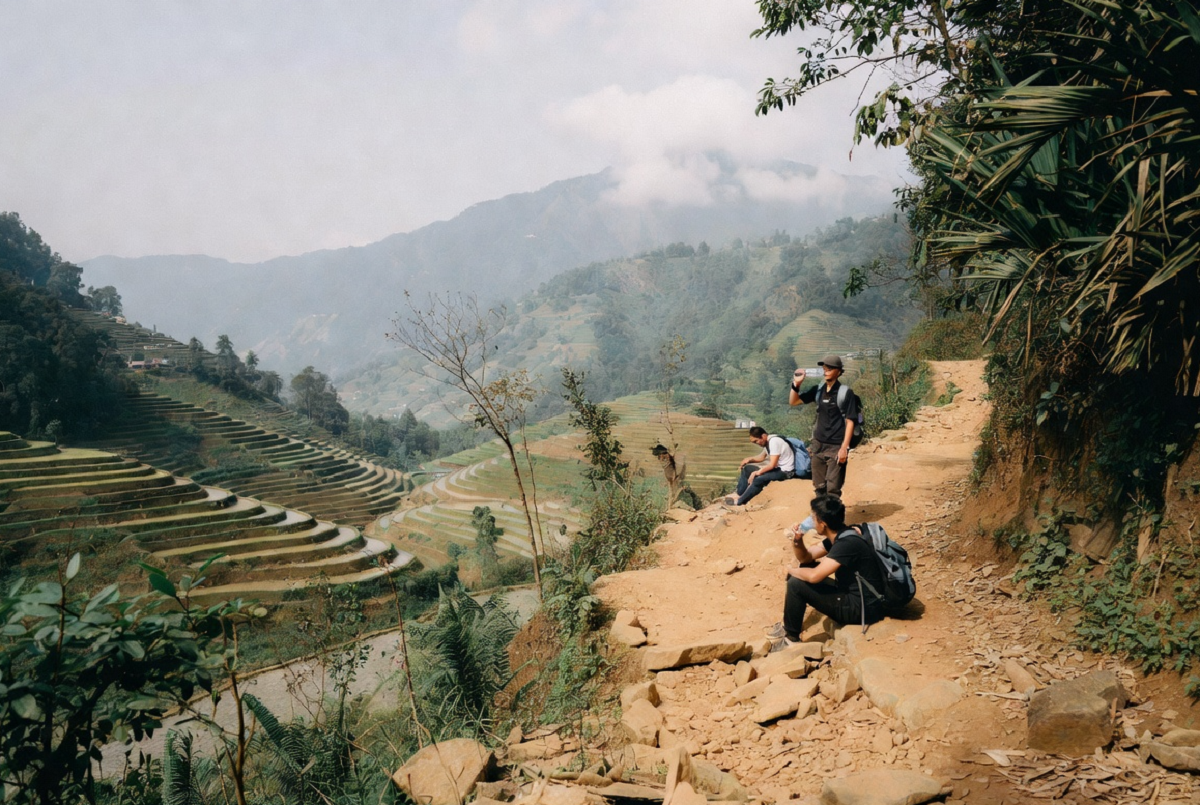
Check the Weather Forecast Before You Hike
Understanding and respecting the unpredictable nature of mountain weather is an essential aspect of mountain safety, especially when planning your trekking in Sapa adventure. Before you embark on any hike, it is absolutely essential to check the weather forecast diligently. The weather can change rapidly in mountainous regions, transforming a clear morning into an afternoon thunderstorm, which can significantly impact your safety and enjoyment. A thorough check allows you to anticipate potential challenges and pack appropriate gear, such as rain gear or extra layers, to ensure a safe and enjoyable experience on the hiking trails. This proactive approach is one of the most important hiking safety tips.
Weather Awareness: Understanding Mountain Conditions
Beyond just checking the forecast, true weather awareness involves understanding how mountain conditions can quickly escalate, affecting your hiking trip. Even if the initial forecast seems favorable, be prepared for sudden shifts. Factors such as altitude, wind patterns, and local microclimates can cause the weather to change rapidly, leading to unexpected rain, fog, or even a sudden thunderstorm. As a responsible hiker, continuously observe your surroundings for signs of deteriorating weather, such as darkening skies or increasing winds. This vigilance is essential for safety, allowing you to make timely decisions to seek shelter or adjust your plans, which is vital for a safe and enjoyable trek.
Adjusting Your Plans Based on Weather
One of the most crucial hiking safety tips for any outdoor adventure, particularly a multi-day hike in Sapa, is the willingness to adjust your plans based on current and forecasted weather conditions. If the weather conditions are predicted to be severe, with a high chance of a thunderstorm or heavy rain, it is always better to postpone your hike or choose a shorter, less exposed hiking trail. Your safety should always be the top priority. This flexibility is essential for ensuring a safe and enjoyable trek, allowing you to avoid dangerous situations and fully appreciate the beauty of trekking in Sapa without unnecessary risks. Remember, a safe return is the most successful trek.
Staying Safe During Your Trek
Implementing the Buddy System
Implementing the buddy system is one of the essential safety tips for any multi-day hike, especially when embarking on outdoor adventures in a region like Sapa. This system ensures that every hiker is accountable for another, significantly reducing the risks of getting lost or overlooked in an emergency. Each pair should always stay within sight and earshot of each other, offering immediate assistance if one experiences an injury, fatigue, or needs to call for help. This simple yet effective strategy is crucial for mountain safety and helps ensure a safe and enjoyable trekking in Sapa experience, making it an indispensable part of your safety guide.
Staying Together as a Group
Beyond the buddy system, it is paramount for all hikers to stay together as a group throughout the entire trek. Dispersing, even for short distances, can lead to individuals getting lost, especially on unfamiliar hiking trails or if weather conditions suddenly deteriorate. A united group is easier for search and rescue teams to locate if an emergency arises, and it allows for collective decision-making and resource sharing. Maintaining this cohesion is an essential aspect of overall safety and is fundamental to ensuring a safe and enjoyable adventure for everyone participating in your trekking in Sapa journey. Always prioritize group unity to stay safe.
Recognizing Signs of Fatigue and Overexertion
To ensure a safe and enjoyable trek, it is essential for every hiker to be vigilant in recognizing signs of fatigue and overexertion, both in themselves and their fellow trekkers. Symptoms like extreme tiredness, dizziness, nausea, or persistent muscle cramps can indicate that a hiker is pushing their limits, which can compromise mountain safety. If these signs appear, it is crucial to take frequent breaks, rehydrate, and consume trail mix or other energy-rich snacks. Ignoring these warnings can lead to more severe conditions or injuries, making timely intervention a critical part of your essential hiking safety tips and overall safety guide for trekking in Sapa.
Essential Hiking Safety Tips
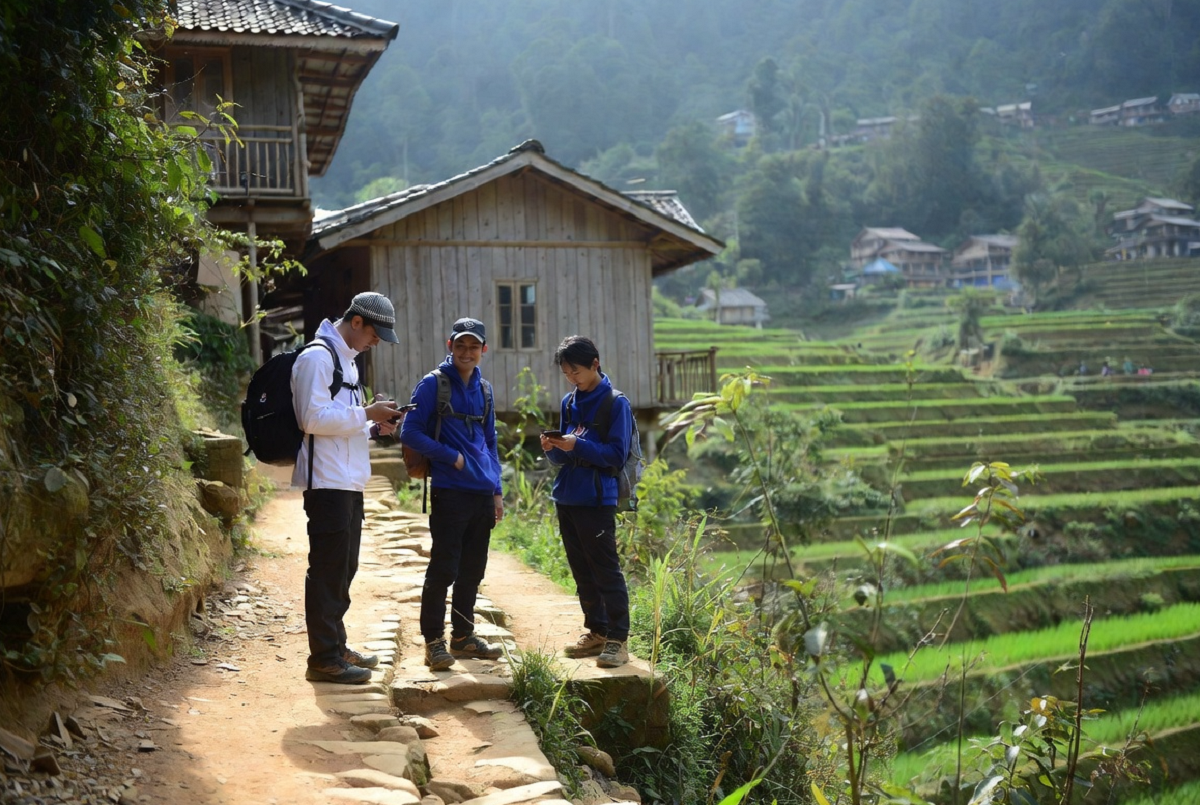
Bringing the Right Gear for Your Trek
Equipping yourself with the right gear is absolutely essential for a safe and enjoyable trek, especially when embarking on outdoor adventures like trekking in Sapa. Beyond just comfortable clothing, your gear is a critical component of your mountain safety and overall safety guide. Investing in sturdy hiking boots with excellent ankle support is paramount to navigate the diverse and often challenging hiking trails, helping to prevent injuries. A reliable backpack, appropriately sized for a multi-day hike, should be able to carry all your essentials, including the 10 essentials, without becoming an undue burden. Always pack rain gear, even if the forecast seems clear, as the weather can change rapidly in mountainous regions, potentially leading to a sudden thunderstorm. This comprehensive approach to gear selection is one of the most important hiking safety tips to help ensure a safe and enjoyable adventure.
First Aid Essentials for Outdoor Adventures
A well-stocked first aid kit is an indispensable item for any hiker, making it one of the most essential hiking safety tips for all outdoor adventures, particularly a multi-day hike in Sapa. Your first aid kit should contain basic first aid essentials such as bandages, antiseptic wipes, pain relievers, blister treatment, and any personal medications. Knowledge of how to use these items effectively is just as crucial as having them. In the event of an injury or illness on the hiking trails, a readily accessible and properly equipped first aid kit can make a significant difference, preventing minor issues from escalating into major emergencies. This preparedness is vital for mountain safety and contributes greatly to a safe and enjoyable trek, allowing you to address unforeseen medical needs promptly and continue your journey safely.
Staying Hydrated and Energized on the Trail
Maintaining proper hydration and energy levels is fundamental for a safe and enjoyable trek, forming a core part of any effective safety guide for trekking in Sapa. Dehydration and low energy can quickly lead to fatigue, dizziness, and impaired judgment, increasing the risk of getting lost or injured. Always carry an ample supply of water, or a water filter if access to clean water sources is available, to ensure you stay adequately hydrated throughout your hike. Pack energy-rich snacks such as nuts, dried fruits, and trail mix to provide sustained energy. Regularly consuming these provisions helps to prevent overexertion and keeps your body and mind sharp, which is essential for safety when navigating challenging hiking trails and ensuring a safe and enjoyable adventure.
