

This comprehensive Sapa trek travel guide will equip you with all the essential information to navigate the breathtaking Muong Hoa Valley in Vietnam, allowing you to embark on an unforgettable adventure without the need for a local guide. Prepare to immerse yourself in stunning landscapes and rich cultural experiences.
Introduction to Sapa and Muong Hoa Valley
Overview of Sapa’s Landscape
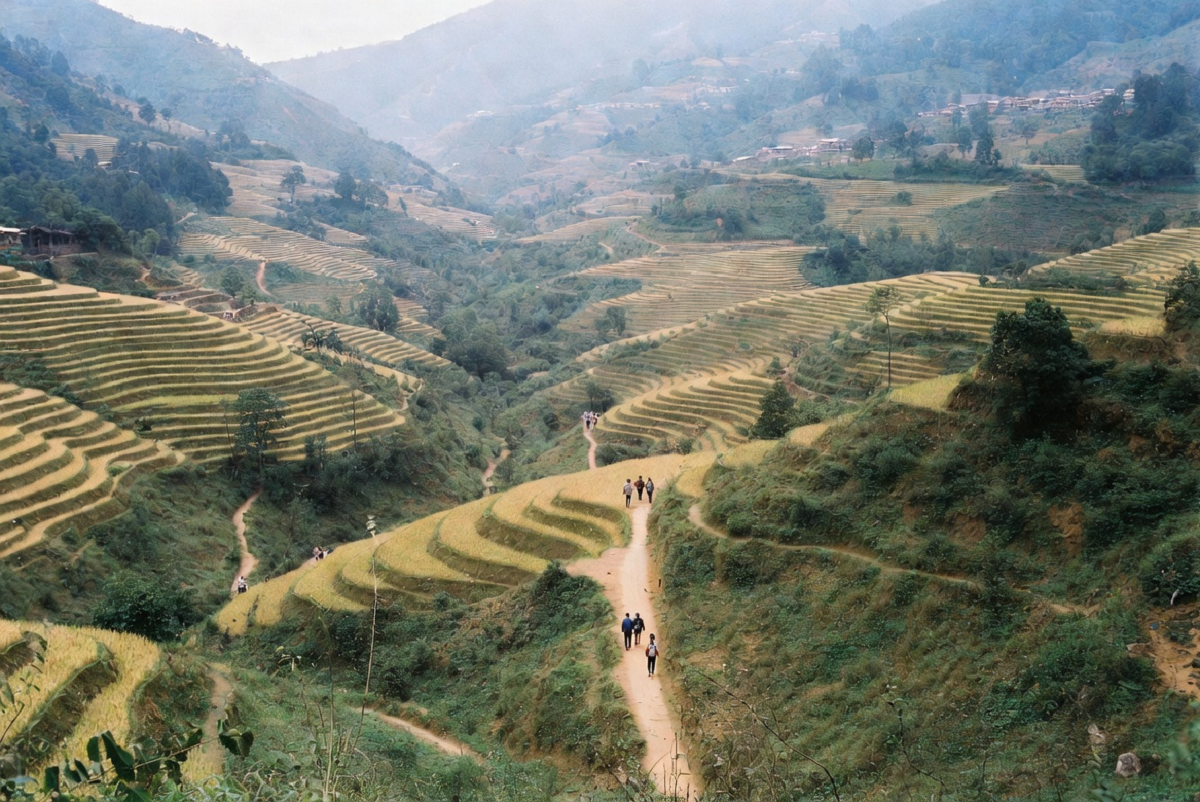
Sapa, nestled in northern Vietnam, is renowned for its dramatic landscapes and cool climate, offering a stark contrast to the bustling cities like Hanoi. The region around Sapa town is a tapestry of towering mountains, including the majestic Fansipan, the highest peak in Indochina. What truly defines Sapa’s visual appeal are the sprawling rice fields and intricate rice terraces that cascade down the hillsides, creating an iconic and unforgettable vista. A trek through these areas provides an unparalleled travel experience, showcasing the unique beauty of Vietnam.
Importance of Muong Hoa Valley
The Muong Hoa Valley is undeniably the jewel in Sapa’s crown, representing the heart of trekking in Sapa. This sprawling valley is famous for its stunning terraced rice fields, which glow with vibrant greens and golds depending on the season, and the picturesque Muong Hoa Stream that winds its way through it. It is also home to numerous ethnic minority villages such as Lao Chai and Ta Van, offering authentic glimpses into traditional village life. A Muong Hoa Valley trek is an essential part of any visit to Sapa, promising the best views and a rich cultural immersion.
Benefits of Trekking Without a Guide
Trekking without a guide in Sapa offers a unique sense of freedom and adventure, allowing you to explore Sapa at your own pace and truly connect with the natural surroundings. This independent travel experience enables spontaneous detours and opportunities to interact more intimately with local communities in villages like Cat Cat Village or Ta Phin Village. While hiring a local guide has its merits, embarking on a trekking without a guide journey provides a profound sense of accomplishment and a more personalized travel experience, making your trip to Sapa truly unforgettable.
Getting to Sapa
Traveling from Hanoi to Sapa
Embarking on a journey from Hanoi to Sapa is the first step in your Sapa trekking adventure, and it’s an essential part of your Vietnam travel experience. While Sapa is nestled in the northern mountains, reaching this picturesque destination is relatively straightforward. Most travelers opt to travel from Hanoi to Sapa by overnight sleeper bus or train, ensuring they arrive refreshed and ready to explore Sapa’s breathtaking landscapes. These transportation options provide a convenient way to cover the significant distance, allowing you to maximize your time in Sapa and begin your Muong Hoa Valley trek promptly.
Transportation Options
When planning your trip to Sapa, you have several transportation options to get to Sapa from Hanoi, each offering a different experience. These include:
- The sleeper bus, which provides comfort and direct access to Sapa town, often arriving early in the morning.
- The train, offering a scenic journey to Lao Cai, a town near Sapa, from which you can take a shuttle bus or taxi directly to Sapa.
- Private cars, for those seeking a faster, albeit more expensive, option.
Whichever method you choose, remember to book in advance, especially during peak season, to ensure a smooth transition to your Sapa trekking experience.
Best Time to Visit Sapa
Choosing the best time to visit Sapa is crucial for an optimal Sapa trekking experience, particularly if you plan to explore Sapa without a guide. The shoulder seasons are generally considered the best time to visit Sapa, specifically:
- March to May, which showcases the vibrant green of newly planted rice fields.
- September to November, presenting the golden hues of ripening rice terraces.
During these months, the weather is pleasant, offering clear skies and comfortable temperatures ideal for a Muong Hoa Valley trek. Avoiding the peak rainy season (June to August) and the colder winter months (December to February) will enhance your trekking without a guide journey, ensuring better trail conditions and more enjoyable village life interactions.
Accommodation Options in Sapa
Homestay Experiences
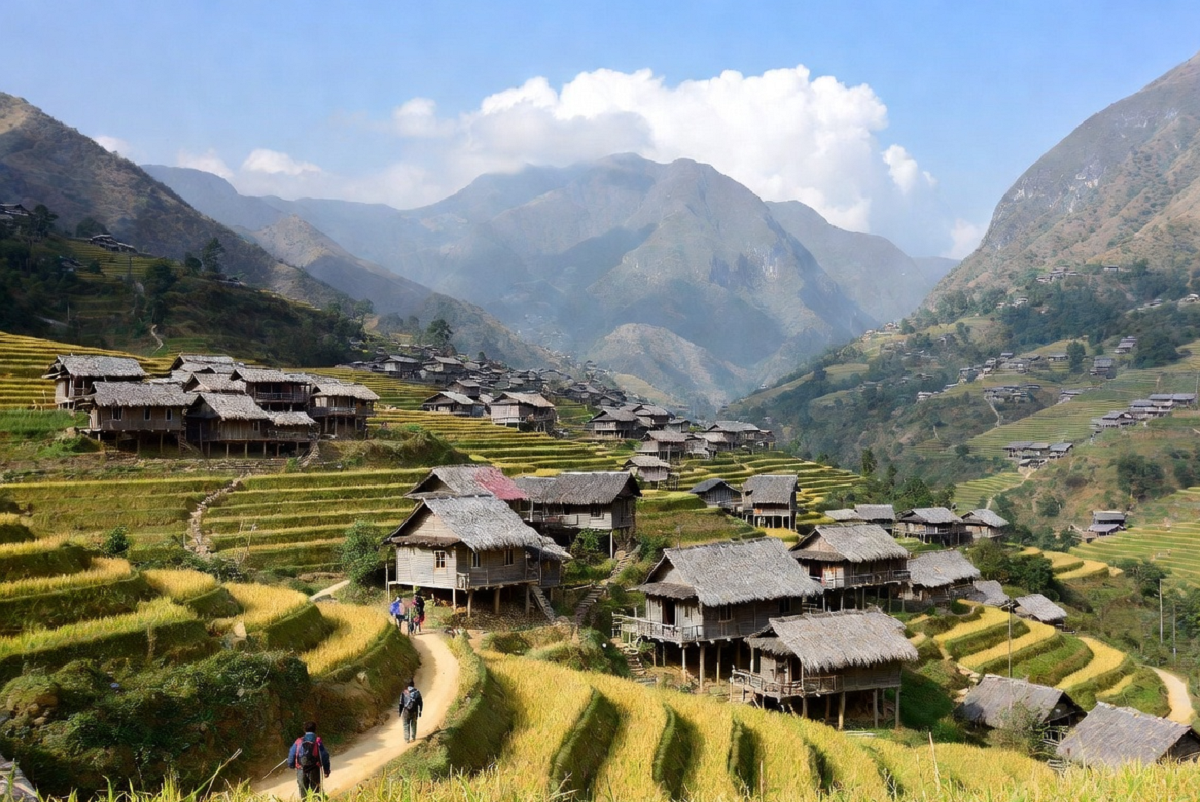
For an authentic and immersive travel experience during your Sapa trek, a homestay is an excellent choice. Staying in a homestay allows you to delve deeper into the local culture and witness traditional village life firsthand, particularly in ethnic minority villages within the Muong Hoa Valley. Many homestays are located in charming small villages like Lao Chai and Ta Van, offering the best views of the rice fields and rice terraces. It’s an opportunity to connect with local families, savor homemade food in Sapa, and gain insights into their daily routines, making your trip to Sapa truly memorable.
Hotels and Guesthouses
If you prefer more conventional accommodation while you explore Sapa, Sapa town center offers a wide range of hotels and guesthouses. From budget-friendly options to more luxurious stays, you can find something to suit every preference and budget for your time in Sapa. Many establishments provide stunning views of the surrounding mountains and are conveniently located for starting your day of trekking. While not as intimate as a homestay, hotels and guesthouses provide comfort and amenities, ensuring a relaxing night in Sapa after your adventures in the Muong Hoa Valley or a challenging hike around Sapa.
Choosing the Right Place to Stay
Choosing the right place to stay in Sapa depends entirely on your travel priorities. For example:
- If your primary goal is cultural immersion and experiencing village life, a homestay in one of the small villages along the Muong Hoa Valley trek is highly recommended. This allows for direct interaction with ethnic minority communities and offers unparalleled views of the rice terraces and villages.
- If comfort, convenience, and access to more amenities are key, staying in Sapa town center is a better fit.
Regardless of your choice, ensure it aligns with your overall Sapa travel guide and what you wish to get out of your trekking without a guide experience.
Trekking in Muong Hoa Valley
Popular Trekking Routes
The Muong Hoa Valley is a haven for trekkers, offering numerous popular trekking routes suitable for all levels, even for those embarking on trekking without a guide. A classic Muong Hoa Valley trek often starts from Sapa town and winds its way through stunning rice terraces to villages such as Lao Chai and Ta Van. Another popular option involves exploring Cat Cat Village, known for its picturesque waterfalls and cultural performances, before continuing further into the valley. These routes provide the best views of the iconic landscapes, allowing you to immerse yourself fully in the beauty of northern Vietnam and its vibrant village life.
What to Expect on the Hike
When embarking on a hike in the Muong Hoa Valley, prepare for a diverse and rewarding trekking experience. You can expect to traverse undulating paths that weave through lush rice fields, cross charming bamboo bridges over the Muong Hoa Stream, and navigate through dense bamboo forests. The terrain can vary from well-trodden paths to more challenging, muddy sections, especially during the rainy season. Along the way, you’ll encounter ethnic minority villagers going about their daily lives, offering opportunities for genuine cultural exchange. The ever-present panoramic views of the rice terraces and surrounding mountains will make every step of your Sapa trekking worthwhile.
Essential Gear for Trekking
To fully enjoy your Sapa trekking adventure in the Muong Hoa Valley, particularly if you’re undertaking a trekking without a guide journey, having the right essential gear is crucial. Sturdy, waterproof hiking boots with good ankle support are paramount, as the trails can be slippery and uneven. A comfortable backpack, rain gear, a first-aid kit, a water bottle, and snacks are also indispensable. For those exploring around Sapa independently, a detailed map or a reliable offline GPS app is vital. Dressing in layers is advisable due to variable weather conditions in northern Vietnam, ensuring comfort throughout your hike and enabling you to explore Sapa effectively.
Travel Tips for Trekking Without a Guide
Safety Tips for Independent Trekkers
Ensuring your safety is paramount when embarking on a trek in Sapa without a guide, especially within the vast Muong Hoa Valley. Always inform someone of your trekking route and expected return time, whether it’s your homestay host or a friend. Carry a fully charged phone with essential contact numbers and a power bank. Be aware of weather changes, as conditions in Northern Vietnam can shift rapidly. Avoid trekking alone after dark and stick to well-marked paths to prevent getting lost. Trust your instincts and, if a path seems too challenging, find an alternative to ensure a safe and enjoyable trekking experience in Sapa.
Navigating the Trails
Navigating the diverse trails of the Muong Hoa Valley is an essential skill for those choosing to explore Sapa without a guide. While many popular trekking routes are relatively straightforward, carrying a detailed map or using an offline GPS app is highly recommended. Look for visual markers like the Muong Hoa Stream, distinct bamboo forests, or specific rice terraces to confirm your path. Don’t hesitate to ask local villagers for directions; they are often happy to help. Familiarize yourself with the names of key villages like Lao Chai and Ta Van, as these will be crucial waypoints on your Muong Hoa Valley trek. Efficient navigation will enhance your trip to Sapa, allowing you to fully enjoy the best views and the freedom of your independent travel experience.
Respecting Local Culture and Environment
When trekking around Sapa, particularly in ethnic minority villages, respecting local culture and the environment is crucial for a positive travel experience. Always ask for permission before taking photos of people, especially children, and dress modestly, especially when visiting homes or communal areas. Do not give money or candy directly to children, as it can encourage begging; instead, consider donating to local schools or community projects. Stay on marked trekking routes to protect the fragile rice fields and natural habitats. Pack out all your trash, leaving no trace behind. By being a responsible traveler, you contribute to the sustainability of the Muong Hoa Valley and foster goodwill with the local communities, enriching your trekking in Sapa without a guide.
Exploring Sapa Beyond the Trek
Other Attractions Around Sapa
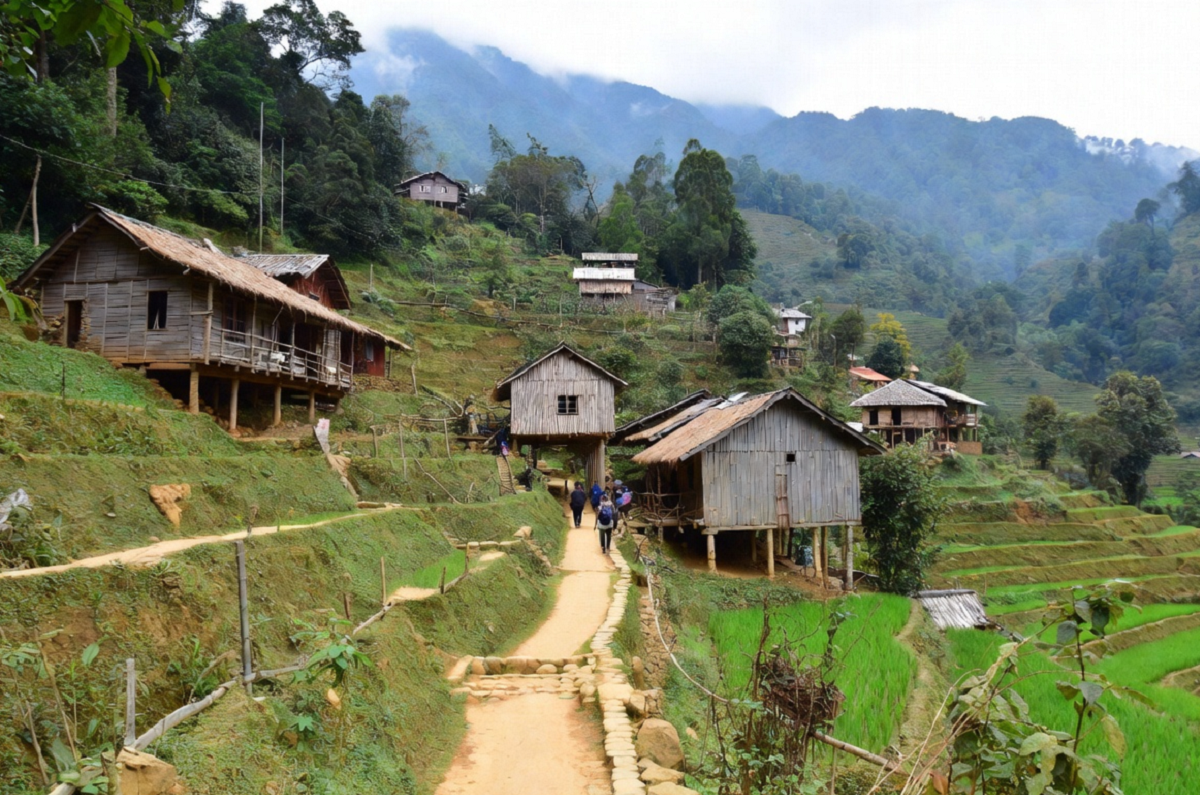
While the Muong Hoa Valley trek is a highlight, Sapa offers many other attractions around Sapa for those looking to explore beyond the rice fields and traditional village life. Take a cable car ride to the summit of Fansipan, the highest peak in Indochina, for breathtaking panoramic views of Northern Vietnam. Visit Cat Cat Village, a popular ethnic minority village known for its beautiful waterfall, traditional crafts, and cultural performances. Explore the vibrant Sapa town center with its bustling market, where you can find local handicrafts and fresh produce. For a deeper cultural immersion, consider a visit to Ta Phin Village, renowned for its Red Dao herbal baths. These diverse attractions complement your trekking experience, offering a comprehensive understanding of what Sapa has to offer.
Local Cuisine and Dining Options
Exploring the local cuisine is an integral part of any trip to Sapa, offering a delicious insight into the region’s rich flavors. Sapa town center boasts a variety of restaurants serving traditional Vietnamese dishes, as well as Western options. Must-try local specialties include Thang Co (horse hotpot), Sapa salmon hotpot, and various grilled dishes, especially those found at the night market. For a truly authentic experience, opt for a homestay where you can savor homemade food in Sapa, often prepared with fresh, local ingredients. Dining in Sapa provides an opportunity to refuel after a day of trekking in Sapa and immerse yourself further in the local culture, making your time in Sapa even more memorable.
Interacting with the Local Communities
Interacting with the local communities is one of the most enriching aspects of visiting Sapa, particularly when undertaking a trek without a guide in the Muong Hoa Valley. The ethnic minority villages, such as Lao Chai and Ta Van, are home to various groups like the H’mong and Red Dao, who are known for their hospitality. Engage in friendly conversations, learn a few basic Vietnamese phrases, or consider purchasing handicrafts directly from the artisans. A homestay experience offers unparalleled opportunities for genuine cultural exchange, allowing you to witness village life firsthand. These interactions provide a deeper understanding of the traditions and daily lives of the people who call this beautiful valley home, making your Sapa trekking adventure truly unforgettable.
