

Planning a trip to Northern Vietnam and looking for an unforgettable adventure? A 3-day trek through the stunning landscapes of Sapa offers an immersive experience into the region’s natural beauty and vibrant local culture. This itinerary will guide you through the picturesque villages and terraced rice fields and provide insights into the daily life of ethnic minority communities.
Overview of Sapa Trekking
Introduction to Sapa
Sapa, nestled in the Hoàng Liên Son Mountains of Northern Vietnam, is a captivating destination renowned for its dramatic mountain scenery and vibrant ethnic minority villages. This picturesque region is characterized by its magnificent rice terraces that cascade down the hillsides, creating a breathtaking panorama. Often referred to as the “Tonkinese Alps,” Sapa offers a unique blend of natural beauty and rich cultural heritage. Exploring Sapa provides an authentic glimpse into the traditions and lifestyles of various ethnic groups, including the Hmong and Red Dao, making it an ideal location for a memorable trekking adventure.
Why Choose a 3-Day Trek?
A 3-day trek in Sapa is the ideal duration for those who wish to truly immerse themselves in the region’s beauty and local culture without feeling rushed. This 3-day Sapa itinerary allows for a comprehensive exploration of diverse landscapes, from lush bamboo forests to expansive rice fields, and provides ample opportunity for authentic experiences. Opting for a 3-day trek provides a deeper insight into village life and the chance to stay in Sapa homestays with local families, fostering a more profound connection with the ethnic minority communities. It’s a perfect balance for those seeking adventure and cultural enrichment in Northern Vietnam.
What to Expect on Your Trek
Embarking on a 3-day Sapa trek promises a truly enriching trekking experience filled with breathtaking sights and genuine cultural interactions. You can expect to navigate through stunning terraced rice fields, witness picturesque waterfalls, and traverse dense bamboo forests. Each day of trekking will lead you to different local villages, such as Cat Cat Village, Lao Chai, and Ta Van Village, where you will have the opportunity to experience authentic village life. A highlight of the 3-day trek includes homestays with local families, offering an unparalleled chance to understand the local culture and hospitality of the Hmong and Red Dao people in Northern Vietnam.
Planning Your 3-Day Sapa Itinerary
Day 1: Arrival and Cat Cat Village Exploration
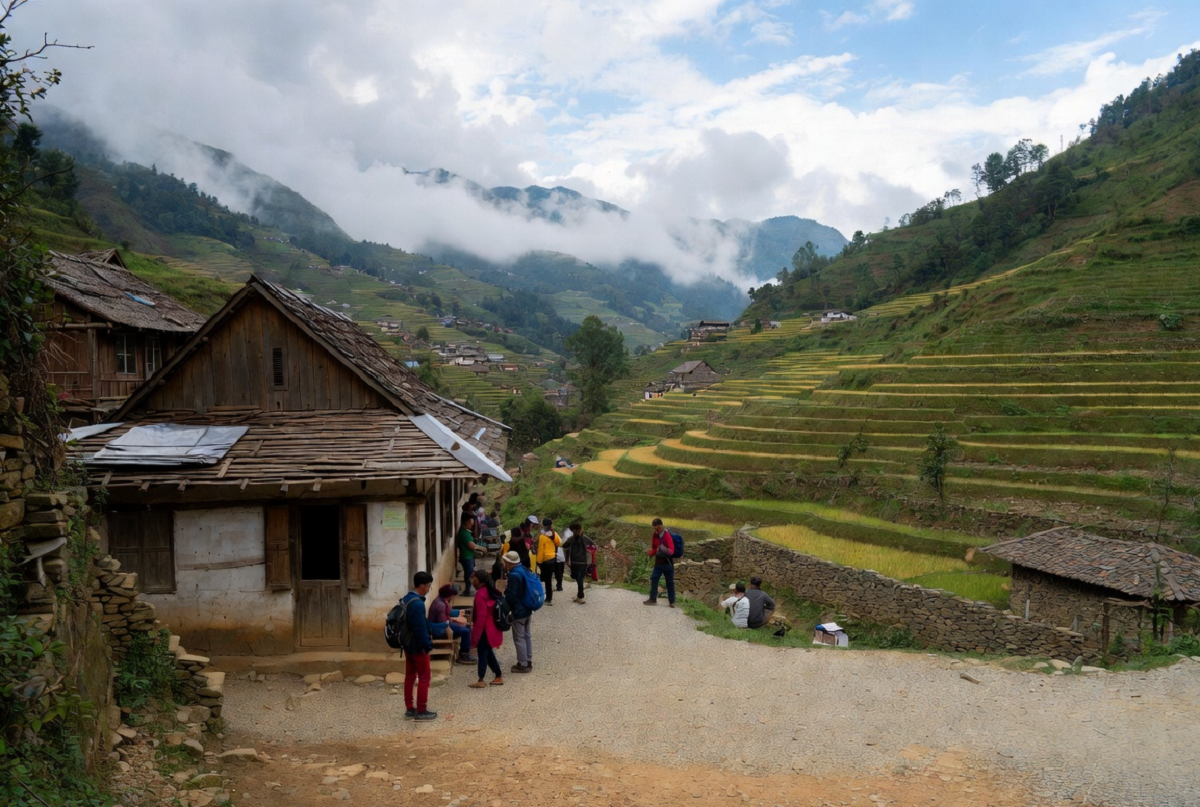
Your exciting 3-day Sapa itinerary commences with your arrival in Sapa, typically by an overnight bus from Hanoi or a scenic train journey to Lao Cai, followed by a local transfer to Sapa town. Upon reaching Sapa, you will check into your accommodation, whether it’s a hotel or your first homestay experience. After settling in, the day’s trekking adventure begins with an exploration of Cat Cat Village, a charming Hmong village located just a few kilometers from Sapa town. This popular destination offers a glimpse into traditional Hmong culture, complete with handicraft demonstrations, a beautiful waterfall, and picturesque terraced rice fields. The walk to Cat Cat Village is relatively easy, allowing for a gentle introduction to trekking in Sapa.
Day 2: Trekking to Lao Chai Village
Day 2 of your 3-day Sapa trek is dedicated to an immersive journey through the stunning Muong Hoa Valley, home to some of the most breathtaking terraced rice fields in Northern Vietnam. Your trek will lead you through lush bamboo forests and past cascading rice terraces as you make your way to Lao Chai Village, a prominent Hmong village. This part of the trekking experience offers authentic experiences, allowing you to witness local village life firsthand and interact with ethnic minority communities. After exploring Lao Chai, the trek continues to Ta Van Village, where you will spend the night in a traditional homestay with a local family, providing a deeper insight into the local culture and hospitality of the region.
Day 3: Fansipan Mountain and Departure
On the final day of your 3-day Sapa itinerary, you have the option to embark on an exhilarating trip to Fansipan Mountain, the “Roof of Indochina.” While a full ascent requires more than a day, you can experience its grandeur via the Fansipan cable car, which offers breathtaking panoramic views of the Hoàng Liên Son Mountains and the surrounding rice fields. After descending from Fansipan, or if you choose to skip the mountain, you can enjoy some final moments exploring Sapa town, perhaps picking up some local souvenirs. In the afternoon, you will begin your journey back to Hanoi, concluding your memorable 3-day Sapa adventure, filled with stunning landscapes and rich cultural encounters.
Homestay Experience in Sapa
Choosing the Right Homestay
Selecting the ideal homestay is paramount to enriching your 3-day Sapa itinerary and ensuring authentic experiences with local families. When planning your trekking adventure in Sapa, consider factors such as location – do you prefer a homestay nestled deep within a Hmong or Red Dao village like Ta Van, offering a truly immersive experience, or one closer to Sapa town for easier access? It’s also wise to check reviews regarding the hospitality of the host family and the amenities offered, although basic living conditions are part of the charm of a traditional Sapa homestay. Booking in advance, especially during peak season, is highly recommended to secure your preferred accommodation and ensure a seamless 3-day trek.
What to Bring for Your Stay
Preparing adequately for your Sapa homestay experience is crucial for a comfortable 3-day trek through the stunning rice fields and bamboo forests. Given the varied terrain and potential changes in altitude, sturdy trekking boots are essential. Layers of clothing are also advisable, as temperatures can fluctuate throughout a day in Sapa, especially when trekking through the Muong Hoa Valley or near Fansipan. Don’t forget a small backpack for daily essentials, a reusable water bottle, and personal toiletries. While local families provide basic necessities, bringing a universal adapter, a power bank, and any specific medications will enhance your overall experience during your stay in Sapa.
Local Culture and Cuisine
A homestay offers an unparalleled opportunity to delve deep into the vibrant local culture and savor authentic cuisine, making your 3-day Sapa trek truly unforgettable. Staying with a Hmong or Red Dao host family allows you to witness daily village life firsthand, participate in traditional activities, and perhaps even learn a few basic phrases in their language. The culinary experience is a highlight, with home-cooked meals featuring fresh, local ingredients, often grown in the surrounding rice fields. Expect dishes rich in flavor, showcasing the unique gastronomic traditions of the ethnic minority communities. This immersive cultural exchange is a cornerstone of any meaningful trekking experience in Sapa.
Booking Your Trekking Tour
Finding the Best Tour Providers
When planning your 3-day Sapa itinerary, selecting the right tour provider is crucial for a memorable trekking adventure in Sapa. Look for providers specializing in trekking in Sapa and those with extensive experience in the region, particularly with tours that include homestays in local villages like Lao Chai and Ta Van. Reputable companies will offer clear itineraries, including details about the trek, accommodation in Hmong or Red Dao homestays, and transportation options from Hanoi. Reading reviews and comparing inclusions will help you find a provider that aligns with your expectations for a comprehensive 3-day trek through the terraced rice fields and bamboo forests of Northern Vietnam.
Understanding Pricing and Inclusions
Understanding the pricing and what is included in your 3-day Sapa itinerary is vital for a stress-free trekking experience. A typical 3-day Sapa trek package often includes transportation to and from Sapa (e.g., overnight bus from Hanoi to Sapa town or train to Lao Cai with transfer), a local English-speaking guide, accommodation in homestays with local families, and some meals. Be sure to clarify if entrance fees to attractions like Cat Cat Village or the Fansipan cable car are part of the package or if they are additional expenses. Some tours might also offer cultural activities with ethnic minority communities, which can enhance your understanding of local culture and village life during your stay in Sapa.
Tips for a Successful Booking
For a successful booking of your 3-day Sapa trek, consider booking well in advance, especially if you plan your trekking adventure during peak season. Confirm all details of your Sapa itinerary, including the specific villages you will visit, such as Lao Chai and Ta Van Village, and the type of homestay accommodation. It’s also wise to inquire about the group size and the flexibility of the itinerary. Ensure that the tour provider offers clear communication and support, as this can be invaluable during your travel to Sapa. A thorough booking process will help guarantee a seamless and enjoyable 3-day Sapa experience exploring the stunning rice fields and bamboo forests of Northern Vietnam.
Travel Guide to Sapa
Getting to Sapa
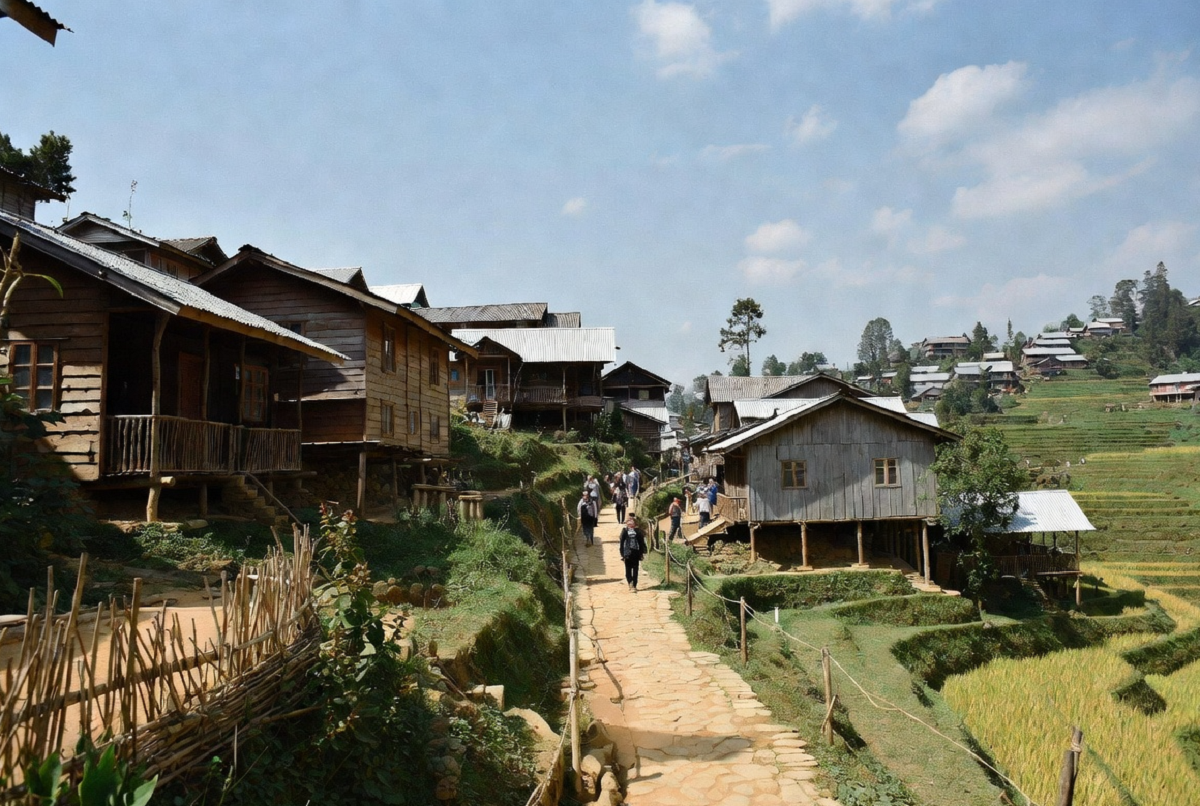
Getting to Sapa for your 3-day Sapa itinerary is relatively straightforward, with several popular options from Hanoi. The most common choice is an overnight bus from Hanoi directly to Sapa town, which is both economical and efficient, allowing you to arrive in Sapa refreshed and ready for your trekking adventure. Alternatively, you can take an overnight train from Hanoi to Lao Cai, followed by a scenic 30-45 minute transfer by local bus or taxi to Sapa town. This route offers picturesque views as you ascend into the Hoàng Liên Son Mountains. Regardless of your chosen mode of transport, the journey sets the stage for an unforgettable 3-day trek through the terraced rice fields and bamboo forests of Northern Vietnam.
Best Time to Visit Sapa
Choosing the best time to visit Sapa significantly enhances your 3-day Sapa itinerary and overall trekking experience. The ideal seasons are spring (March to May) and autumn (September to November). During these periods, the weather in Sapa is generally dry and pleasant, perfect for trekking through the terraced rice fields and bamboo forests. Spring brings lush greenery and blooming flowers, while autumn showcases the golden hues of ripened paddy, creating breathtaking landscapes. Summer (June to August) can be hot and humid with occasional rain, while winter (December to February) can be quite cold, although it offers a unique misty charm and fewer crowds for your 3-day trek.
Safety Tips for Trekking in Northern Vietnam
Safety is paramount when embarking on a trekking adventure in Sapa, particularly for a 3-day trek through the rugged terrain of Northern Vietnam. Always trek with a local guide, especially when navigating unfamiliar paths in areas like the Muong Hoa Valley or near Fansipan. Stay hydrated and carry enough water, particularly during your day of trekking through the rice fields and bamboo forest. Wear appropriate trekking boots and layered clothing, as weather conditions can change rapidly due to the altitude. Inform someone of your Sapa itinerary and expected return, and be mindful of your surroundings, respecting the local culture of the Hmong and Red Dao ethnic minority communities throughout your 3-day Sapa experience.
