

Sapa, a gem nestled in Northern Vietnam, offers trekkers an unparalleled adventure through its breathtaking landscapes and vibrant ethnic cultures. This guide unveils the best photo spots in Sapa, ensuring your trip captures the stunning essence of this mountainous region, from panoramic rice terraces to the majestic Fansipan.
Introduction to Sapa
Overview of Sapa’s Geography
Sapa, located in the Lao Cai Province, is renowned for its dramatic mountainous terrain. Its geography is dominated by the Hoang Lien Son mountain range, often referred to as the Tonkinese Alps, offering a picturesque view of Sapa at every turn. Visitors can experience:
- Deep valleys
- Extensive rice terraces that cascade down hillsides
Why Visit Sapa?
Visitors flock to Sapa to immerse themselves in the stunning natural beauty, including the iconic rice fields of Sapa and the cultural richness of its diverse ethnic groups. A trek in Sapa provides an escape from the hustle of Hanoi, offering serene landscapes and unique cultural exchanges, making a trip to Sapa truly unforgettable.
Best Times to Trek in Sapa
The best time to visit Sapa for trekking is during specific periods, offering ideal weather conditions for exploring the terraced rice fields. Avoiding the foggy and rainy season ensures optimal conditions for photography and comfortable treks around Sapa.
| Activity | Recommended Months |
|---|---|
| Trekking in Sapa | September to November |
| Trekking in Sapa | March to May |
Best Photo Spots in Sapa
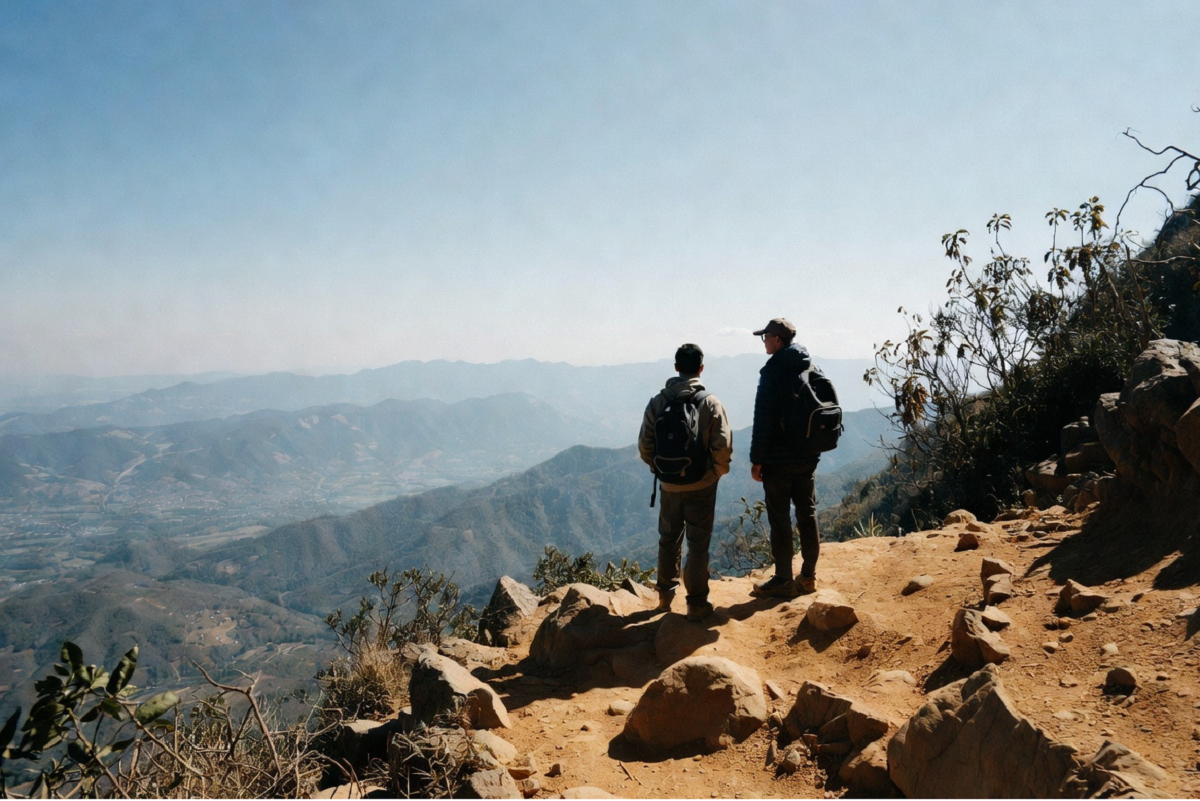
Fansipan: The Roof of Indochina
Fansipan, towering as the Roof of Indochina, offers unparalleled panoramic views of Sapa and the surrounding valleys. Ascending Vietnam’s highest peak provides trekkers with majestic photo opportunities, capturing the vastness of Northern Vietnam’s mountainous landscape. The journey itself is an experience, leading to incredible vistas.
The Scenic Bac Waterfalls
The Bac Waterfalls, or Silver Waterfall, is one of Sapa’s most captivating natural attractions and a fantastic photo location. Its powerful cascade against the lush green backdrop offers a refreshing visual spectacle, providing stunning pictures of Sapa’s untamed beauty. It’s easily accessible from Sapa town by motorbike.
Cat Cat Village: A Cultural Experience
Cat Cat Village, a traditional Hmong village nestled in the Muong Hoa Valley, provides an intimate glimpse into the local culture and offers picturesque settings. The traditional homes, terraced rice paddies, and the vibrant life of the ethnic groups in Sapa make Cat Cat Village one of the best photo spots for cultural immersion and stunning photographs.
Exploring Ethnic Groups in Sapa
The Hmong People: Culture and Traditions
The Hmong people constitute one of the largest ethnic groups in Sapa, renowned for their vibrant textile traditions and unique way of life nestled amidst the terraced rice fields. A visit to Sapa often includes interacting with Hmong communities, offering a glimpse into their rich cultural heritage and providing excellent photo opportunities of their intricate costumes and daily activities in villages like Cat Cat and Ta Van. Their resilience and deep connection to the land are evident in every aspect of their lives in Sapa.
Dao Ethnic Group: Unique Practices
The Dao ethnic group, particularly the Red Dao, is another prominent community in Sapa, distinguished by its elaborate silver jewelry and red headscarves. Exploring their villages offers a chance to observe unique practices such as herbal baths and intricate embroidery. A trek in Sapa to these areas allows for cultural exchange and presents some of the best photo spots for capturing the distinct identity of the Dao people against the stunning backdrop of Sapa’s valleys.
Interacting with Local Communities
Interacting with the local communities, including the Hmong and Dao, is a highlight of any trek in Sapa. Whether through a homestay experience in Ta Van or by visiting the Sapa market, these encounters provide profound insights into their traditions and daily lives. Such interactions not only enrich your trip to Sapa but also offer invaluable opportunities for capturing authentic and memorable photographs of the diverse ethnic groups in Sapa.
Planning Your Trek in Sapa
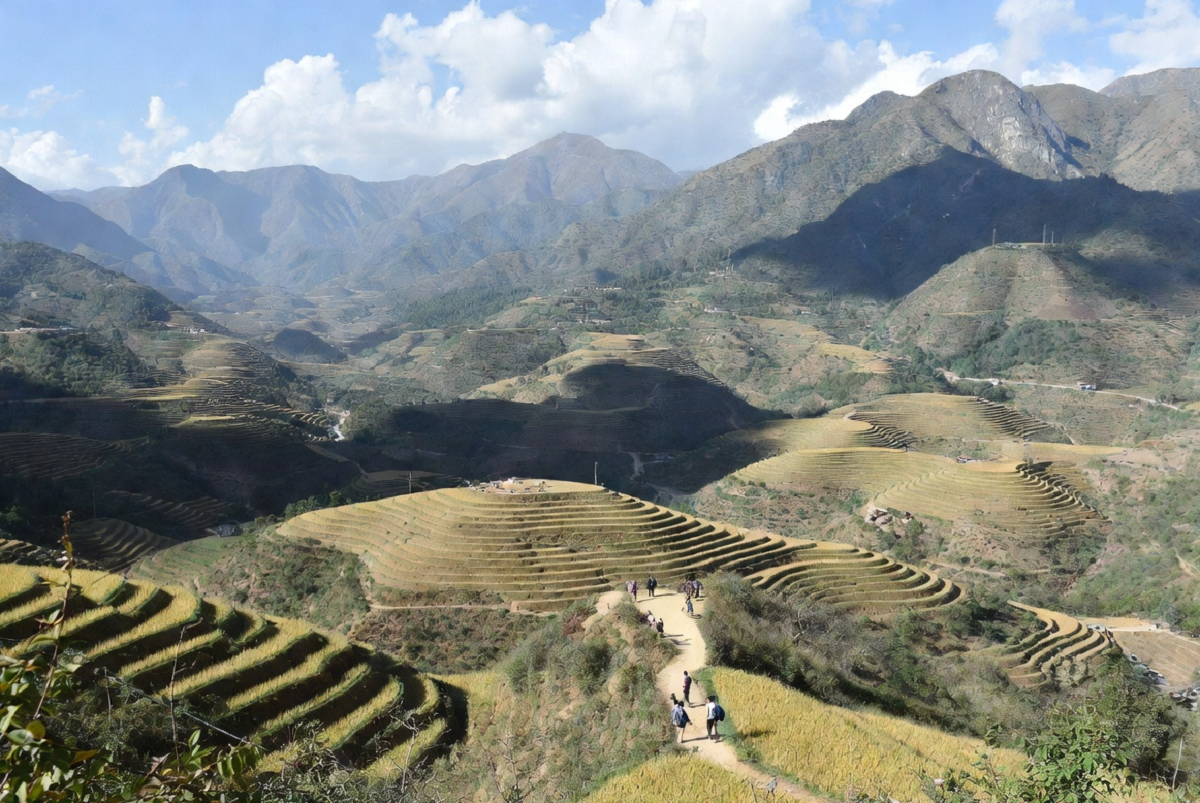
How to Get to Sapa from Hanoi
Getting to Sapa from Hanoi is a straightforward journey, with several options available to suit different preferences and budgets. The most common methods include overnight sleeper trains to Lao Cai, followed by a short bus or taxi ride to Sapa town, or direct sleeper buses from Hanoi. Planning your travel carefully ensures a smooth start to your trek in Sapa, allowing you to maximize your time exploring the picturesque landscapes and ethnic villages.
Choosing the Right Trekking Route
Choosing the right trekking route is crucial for an enjoyable and memorable trek in Sapa, catering to various fitness levels and interests. Options range from gentle walks around Cat Cat Village to more challenging multi-day treks through the Muong Hoa Valley to villages like Ta Van and Giang Ta Chai, offering breathtaking views of rice terraces and opportunities for a homestay. Researching routes beforehand helps you select the best places to visit in Sapa and ensures you hit the best photo spots.
What to Bring for Your Trek
Preparing adequately for your trek in Sapa is essential for a comfortable and safe adventure. Key items to bring include sturdy trekking shoes, rain gear, warm layers (especially for cooler months or evenings), sunscreen, insect repellent, and a first-aid kit. Don’t forget your camera to capture the stunning rice fields of Sapa and the majestic Fansipan. Being well-equipped ensures you can fully immerse yourself in the natural beauty of Sapa, regardless of the time you visit.
Accommodations and Homestays
Best Homestays in Sapa
For an authentic experience during your trek in Sapa, choosing a homestay in one of the ethnic villages, such as Ta Van or Giang Ta Chai, comes highly recommended. These homestays offer a unique opportunity to immerse yourself in the local culture of the Hmong and Dao ethnic groups, providing insights into their daily lives. Staying in a homestay often includes traditional meals and a chance to interact with families, making your trip to Sapa truly memorable and enriching, far from the bustle of Sapa town.
Local Cuisine and Dining Options
Sapa offers a delightful array of local cuisine that tantalizes the taste buds of every visitor. From savoring fresh spring rolls to indulging in hot pot dishes featuring locally sourced ingredients, dining in Sapa is an experience in itself. Many restaurants in Sapa town and even some homestays offer cooking classes, allowing you to learn about the traditional flavors of Northern Vietnam. Exploring these culinary options adds another rich layer to your time in Sapa.
Staying in Sapa Market Area
Staying in the Sapa Market area provides convenient access to local shops, dining options, and cultural experiences. The Sapa Market itself is a vibrant hub where various ethnic groups from surrounding villages gather to trade goods, offering a fascinating glimpse into their daily routines and traditional crafts. This central location ensures you are never far from the heart of Sapa, making it an ideal base for planning your daily treks and explorations around Sapa.
Tips for Capturing Stunning Photos in Sapa
Best Times of Day for Photography
To capture the most stunning photos during your trek in Sapa, timing is crucial. Avoiding the midday sun will significantly enhance the quality of your landscape shots in Sapa.
| Time of Day | Photographic Conditions in Sapa |
|---|---|
| Early mornings (especially at sunrise) | Softest light, dramatic skies over rice terraces and valleys, reduced harsh shadows, vibrant green rice fields, majestic Fansipan appears captivating. |
| Late afternoons (leading into sunset) | Softest light, dramatic skies over rice terraces and valleys, reduced harsh shadows, vibrant green rice fields, majestic Fansipan appears captivating. |
Photography Tips for Landscape Shots
When focusing on landscape shots in Sapa, pay attention to composition, using leading lines from the terraced rice fields to draw the viewer’s eye into the frame. Incorporate elements like water buffalo or local villagers working in the rice paddies to add scale and a sense of place. Experiment with different angles, especially from higher vantage points overlooking the Muong Hoa Valley, to truly capture the grandeur of Sapa’s picturesque scenery and its best photo spots.
Engaging with Local Culture through Photography
Engaging with the local culture through photography in Sapa requires respect and sensitivity. Always ask for permission before photographing individuals, especially members of the Hmong and Dao ethnic groups. Candid shots of daily life, such as women weaving or children playing in Cat Cat Village, can be incredibly powerful. A genuine interaction often leads to more authentic and compelling portraits, enriching both your photo collection and your trip to Sapa.
