

Planning a solo trek through the captivating landscapes of Sapa can be an incredibly rewarding adventure. This guide will help you navigate the stunning rice terraces and ethnic minority villages, ensuring a memorable and safe journey without the need for a professional guide.
Introduction to Sapa Trekking
Overview of Sapa
Sapa, nestled in the Hoàng Liên Son Mountains of northern Vietnam, is a renowned destination for its breathtaking rice terraces, lush valleys, and vibrant ethnic minority cultures. A visit to Sapa offers an unparalleled opportunity to immerse yourself in the natural beauty and rich traditions of the region. Many travelers choose to trek in Sapa to explore iconic locations like the Muong Hoa Valley, Cat Cat Village, and the challenging trails leading towards Fansipan, Vietnam’s highest peak.
Benefits of Trekking Without a Guide
Opting to trek without a guide in Sapa provides an immense sense of freedom and allows for a more personalized and intimate trekking experience. Solo hiking grants you the flexibility to set your own pace, linger longer in picturesque spots, and truly connect with the local environment and its people. It’s an excellent way to escape the typical Sapa tour itineraries and discover hidden gems around Sapa at your own leisure.
Importance of Preparation
While the idea of a Sapa trek without a guide is appealing, thorough preparation is paramount to ensure a safe and enjoyable journey. Understanding the trekking routes, arranging appropriate accommodation, and being equipped with the right gear are crucial steps. Proper planning will help you navigate the terrain, communicate with locals, and make the most of your time in Sapa, whether you choose a homestay in a village like Ta Van or a hotel in Sapa town.
Planning Your Trek in Sapa
Choosing the Right Trekking Route
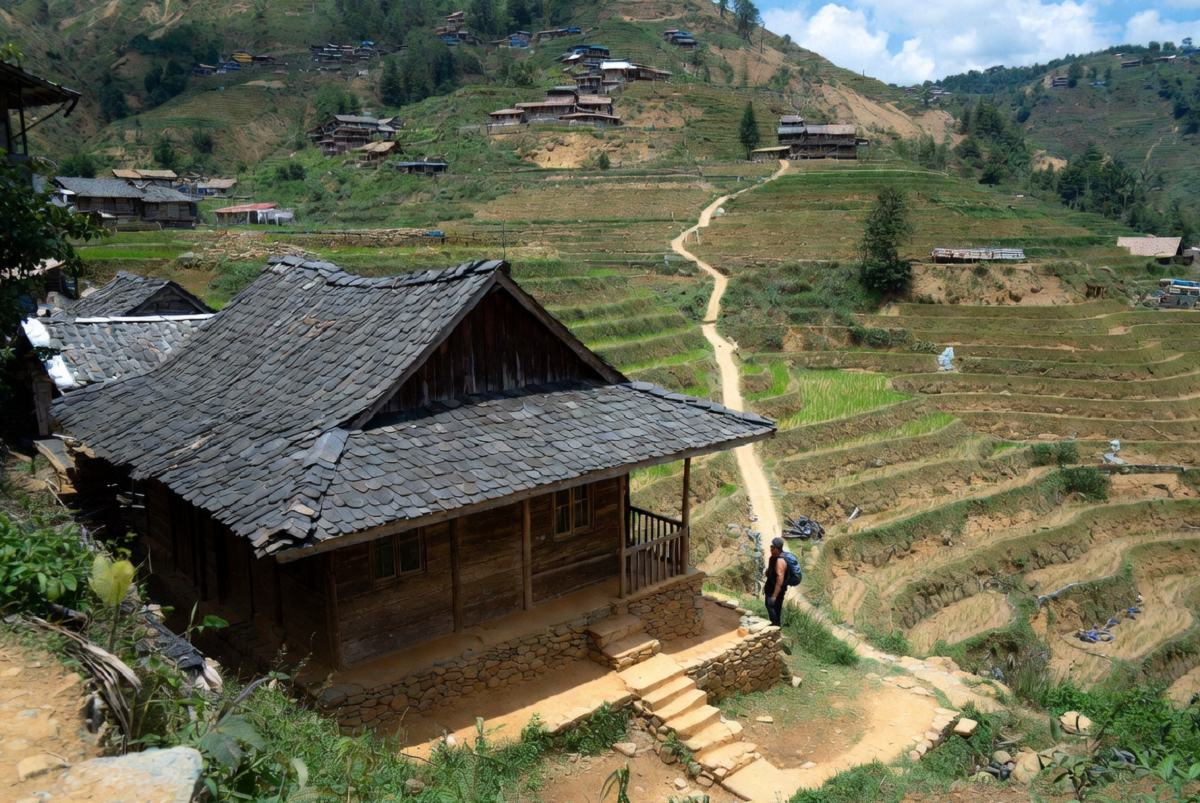
When planning your trek in Sapa without a guide, selecting an appropriate trekking route is crucial for an enjoyable and safe experience. For those embarking on a solo adventure for the first time in Sapa, it’s advisable to start with well-trodden paths around Sapa town before venturing into more remote areas. Popular villages like Cat Cat Village, Ta Van, and Lao Chai offer beautiful rice terraces and a chance to immerse yourself in local culture, making them excellent choices for a memorable Sapa trek. These routes provide stunning views of the Muong Hoa Valley and often have clear paths, making solo hiking more manageable.
Essential Gear for Hiking in Sapa
Equipping yourself with the right gear is paramount for hiking in Sapa, especially when undertaking a Sapa trek without a guide. Sturdy, waterproof hiking boots are indispensable, as the trails can be muddy and slippery, particularly during the rainy season. A reliable backpack, a comprehensive first-aid kit, a water filter or ample bottled water, and high-quality rain gear are also essential for your time in Sapa. Furthermore, a good headlamp, a power bank for your phone, and navigation tools such as offline maps are vital for safety and convenience as you explore Sapa and its magnificent rice fields.
Mapping Your Trekking Itinerary
Carefully mapping your trekking itinerary is a key step to successfully trek in Sapa without a guide. Consider the number of days you have for your Sapa trek and your fitness level when planning. For instance, a common itinerary might involve a day trek from Sapa town to Cat Cat Village, followed by a homestay in Ta Van, and then a return to Sapa. Utilize Google Maps and other offline mapping applications to plan your route, mark points of interest, and estimate trekking times between villages like Lao Chai and Ta Van. This meticulous planning will allow you to make the most of your solo hiking experience and explore Sapa’s natural beauty at your own pace.
Getting to Sapa
Transportation Options from Hanoi
To get to Sapa from Hanoi, travelers have several transportation options, each offering a unique experience for their Sapa trek without a guide. The most popular choices include an overnight train from Hanoi to Lao Cai, which is the closest train station to Sapa, followed by a bus or taxi ride up to Sapa town. Alternatively, direct sleeper buses are available from Hanoi to Sapa, providing a more economical and often quicker way to reach your destination. For those seeking more flexibility, renting a motorbike for the journey is an adventurous option, allowing you to explore Sapa and the surrounding villages at your own pace, truly setting the stage for solo hiking.
What to Expect on the Journey
The journey to Sapa, whether by train or bus, offers a fascinating glimpse into the landscapes of northern Vietnam, preparing you for the stunning rice terraces you’ll encounter on your trek in Sapa. If you choose the overnight train, expect a comfortable but basic journey, culminating in an early morning arrival at Lao Cai. From there, the scenic bus or taxi ride up winding mountain roads to Sapa town provides the first breathtaking views of the Sapa valley. On a sleeper bus, you can expect a direct route, allowing you to rest and arrive refreshed, ready to explore Sapa and embark on your Sapa trek without a guide.
Arriving in Sapa
Upon arriving in Sapa town, whether by bus or transfer from Lao Cai, you’ll immediately be greeted by the crisp mountain air and the bustling atmosphere of this charming destination. Sapa town serves as the perfect base for your Sapa trek without a guide, offering numerous amenities, including markets, restaurants, and tour operators if you decide to hire a guide for specific segments. From here, you can easily access popular trekking routes to villages like Cat Cat Village, Ta Van, and Lao Chai, where the iconic rice paddies and opportunities for a memorable homestay await. Take some time to familiarize yourself with Sapa town before heading out on your solo hiking adventure around Sapa.
Accommodation Options in Sapa
Staying in a Homestay
For an authentic and immersive experience during your Sapa trek without a guide, opting for a homestay in a local village like Ta Van or Lao Chai is highly recommended. A homestay allows you to connect with the ethnic minority communities, learn about their traditions, and savor delicious home-cooked meals. This type of accommodation offers a unique insight into local life, far removed from the more tourist-centric Sapa town, and is an excellent way to truly experience the culture of the region while on your solo hiking adventure. Many homestays are nestled amidst the picturesque rice fields, providing stunning views right from your doorstep.
Hotels and Guesthouses
If you prefer more conventional accommodation, Sapa town offers a wide array of hotels and guesthouses to suit various budgets and preferences. From luxurious resorts with panoramic views of the Muong Hoa Valley to cozy, family-run guesthouses, you’ll find plenty of options for your time in Sapa. Staying in Sapa town provides convenient access to amenities, restaurants, and the starting points for many trekking routes, making it an ideal base for those planning a Sapa trek without a guide. It also offers a comfortable place to relax after a long day of hiking in Sapa and exploring the surrounding rice terraces.
Camping vs. Indoor Accommodation
While camping directly in the remote areas around Sapa can be an adventurous option for experienced trekkers, especially those undertaking a challenging ascent like Fansipan, it requires extensive preparation and knowledge of the terrain. For most visitors planning a Sapa trek without a guide, indoor accommodation, whether a homestay or a hotel, is a safer and more practical choice. Indoor options provide essential shelter from unpredictable weather conditions in the mountains and offer a more comfortable night’s rest, ensuring you are well-prepared for your next day of solo hiking among the breathtaking rice terraces and through charming villages.
Exploring Sapa Independently
Top Attractions Around Sapa
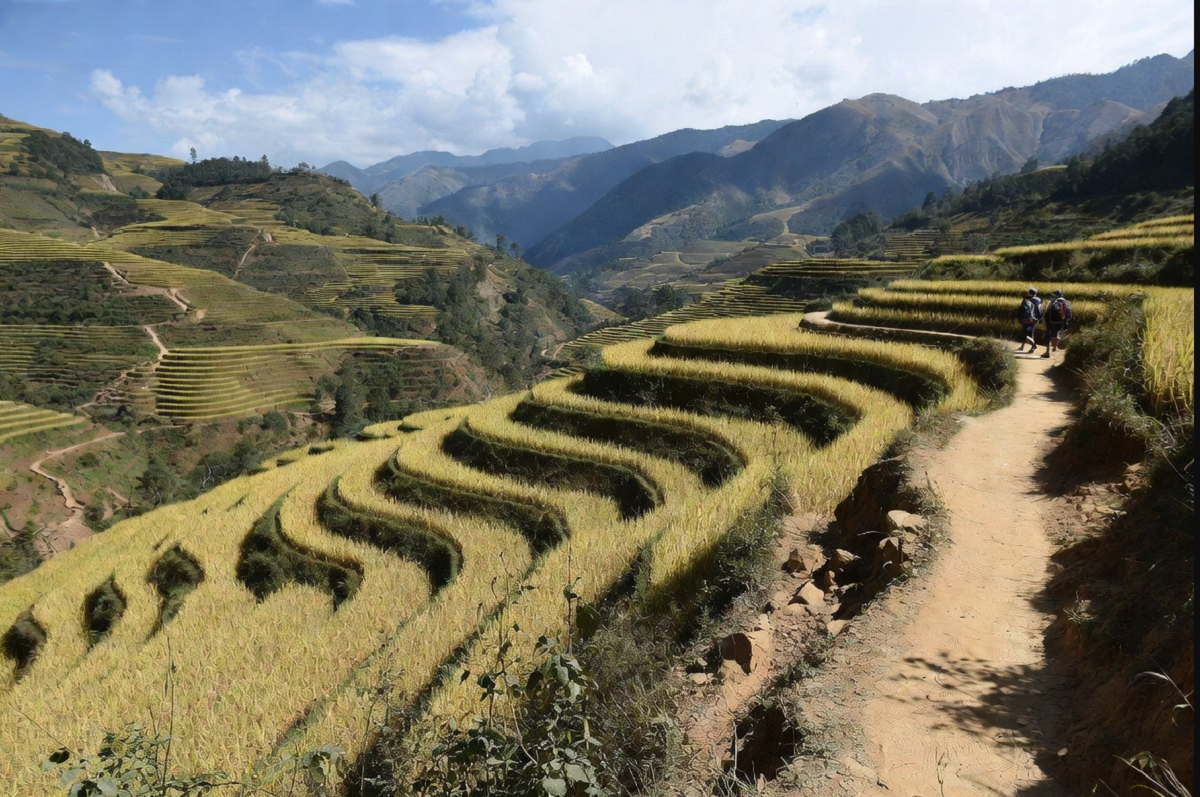
When you visit Sapa without a guide, numerous attractions await your independent exploration. The iconic Cat Cat Village, a short trek from Sapa town, offers a glimpse into H’mong culture with traditional houses and stunning waterfalls. Further afield, the picturesque Muong Hoa Valley is a must-see, renowned for its breathtaking rice terraces and the charming villages of Lao Chai and Ta Van, where an authentic homestay experience can be had. For the truly adventurous, the challenging ascent to Fansipan, Vietnam’s highest peak, promises unparalleled panoramic views and a remarkable Sapa trek. Exploring these sites at your own pace enriches your hiking in Sapa adventure.
Local Culture and Community
Engaging with the local culture and community is a highlight of any Sapa trek without a guide. The ethnic minority groups, such as the H’mong and Dao, are incredibly welcoming, and a homestay in a village like Ta Van or Lao Chai offers a unique opportunity to immerse yourself in their daily lives. You can witness traditional weaving, observe farming techniques in the rice fields, and even participate in local cooking classes. These interactions provide a deeper understanding of the region’s heritage and create lasting memories, making your time in Sapa much more meaningful than a typical Sapa tour. Remember to be respectful and open to their traditions as you explore Sapa.
Safety Tips for Solo Hiking
For solo hiking around Sapa, safety should always be your top priority. Always inform someone of your trekking route and estimated return time, especially if you plan to venture into more remote areas or attempt a demanding hike like Fansipan. Carry a fully charged phone with offline maps, like Google Maps, and a power bank. Be aware of weather conditions, which can change rapidly in the mountains, and always stick to marked paths to avoid getting lost among the vast rice terraces. Hiring a local guide for challenging sections or if you are doing a Sapa trek for the first time in Sapa is a wise precaution, even if you generally prefer to trek without a guide.
Frequently Asked Questions About Hiking in Sapa
Common Concerns for Solo Hikers
Solo hikers often have several concerns when planning a Sapa trek without a guide. One common worry is getting lost; however, with detailed offline maps and clear trekking routes, navigation around Sapa is manageable. Another concern is safety, particularly for women traveling alone; staying in well-regarded homestays and being aware of your surroundings can mitigate these risks. Language barriers can also be a challenge, but basic Vietnamese phrases and translation apps can help bridge communication gaps with locals in villages like Cat Cat Village or Ta Van. It is essential to be prepared and confident in your solo hiking abilities to fully enjoy your time in Sapa.
Best Times to Hike in Sapa
Choosing the best time to hike in Sapa can significantly enhance your trekking experience. The ideal periods for a Sapa trek without a guide are from March to May and September to November. During these months, the weather is generally pleasant, with clear skies and comfortable temperatures, perfect for exploring the rice terraces and various villages. The spring months offer vibrant green rice fields, while autumn showcases the golden hues of harvest season. Avoiding the rainy season (June to August) can prevent slippery trails, though hiking in Sapa during this time can offer dramatic misty landscapes. Planning your visit to Sapa during these peak times ensures optimal conditions for your solo adventure.
What to Do in Case of Emergencies
Knowing what to do in case of emergencies is crucial for anyone planning a Sapa trek without a guide. Before starting your solo hiking adventure, ensure you have local emergency contact numbers readily available, including those for your accommodation in Sapa town or your homestay in a village like Ta Van. Carry a well-stocked first-aid kit for minor injuries. In case of a serious emergency, try to contact local authorities or your accommodation for assistance. While trekking without a guide offers freedom, remember that local knowledge can be invaluable; consider hiring a guide in Sapa for challenging sections or if you are feeling unwell. Having a clear plan will ensure your safety during your time in Sapa.
