

Planning a trip to Sapa, Vietnam, and hoping to experience its stunning landscapes and vibrant culture without the constraints of a guided tour? This comprehensive 2-day Sapa itinerary is designed for independent travelers eager to trek Vietnam and explore the region’s natural beauty at their own pace.
Getting to Sapa
Sapa, nestled in the Hoàng Liên Son Mountains of Northern Vietnam, offers breathtaking rice terraces and an immersive cultural experience with its ethnic minority communities. Understanding how to get to Sapa efficiently from Hanoi is crucial for maximizing your time in Sapa and ensuring you have two full days for your adventures. This section will guide you through the various transportation options, setting the stage for an unforgettable Sapa trek.
Transportation Options from Hanoi
The most common way to get to Sapa from Hanoi is by overnight train or bus. The train journey, while longer, provides a comfortable way to travel to Lao Cai, the nearest train station to Sapa. From Lao Cai, a short bus or taxi ride will take you directly to Sapa town. Alternatively, modern sleeper buses offer a direct and often quicker route from Hanoi to Sapa, arriving right in the heart of Sapa, making it a convenient choice for those short on time. Choosing the right transport is key for your Sapa itinerary.
Travel Tips for First-Time Visitors
For first-time visitors planning to visit Sapa, it’s wise to book your transportation in advance, especially during peak season, to ensure a smooth journey to Sapa. Pack layers of clothing, as the weather in Sapa can change rapidly, and comfortable trekking shoes are essential for any Sapa trek. Staying hydrated and carrying snacks will also enhance your trekking experience, particularly if you’re planning on trekking without a guide. These tips will help you make the most of your days in Sapa.
Best Time to Visit Sapa
The best time to visit Sapa largely depends on what you wish to experience. March to May and September to November offer clear days and pleasant temperatures, ideal for trekking in Sapa and admiring the vibrant rice fields and rice terraces. During these periods, the weather is perfect for exploring the Muong Hoa Valley and undertaking day treks. Avoid the rainy season from June to August if you prefer to trek without the challenge of muddy trails around Sapa.
Planning Your 2-Day Sapa Trek
Overview of the Itinerary
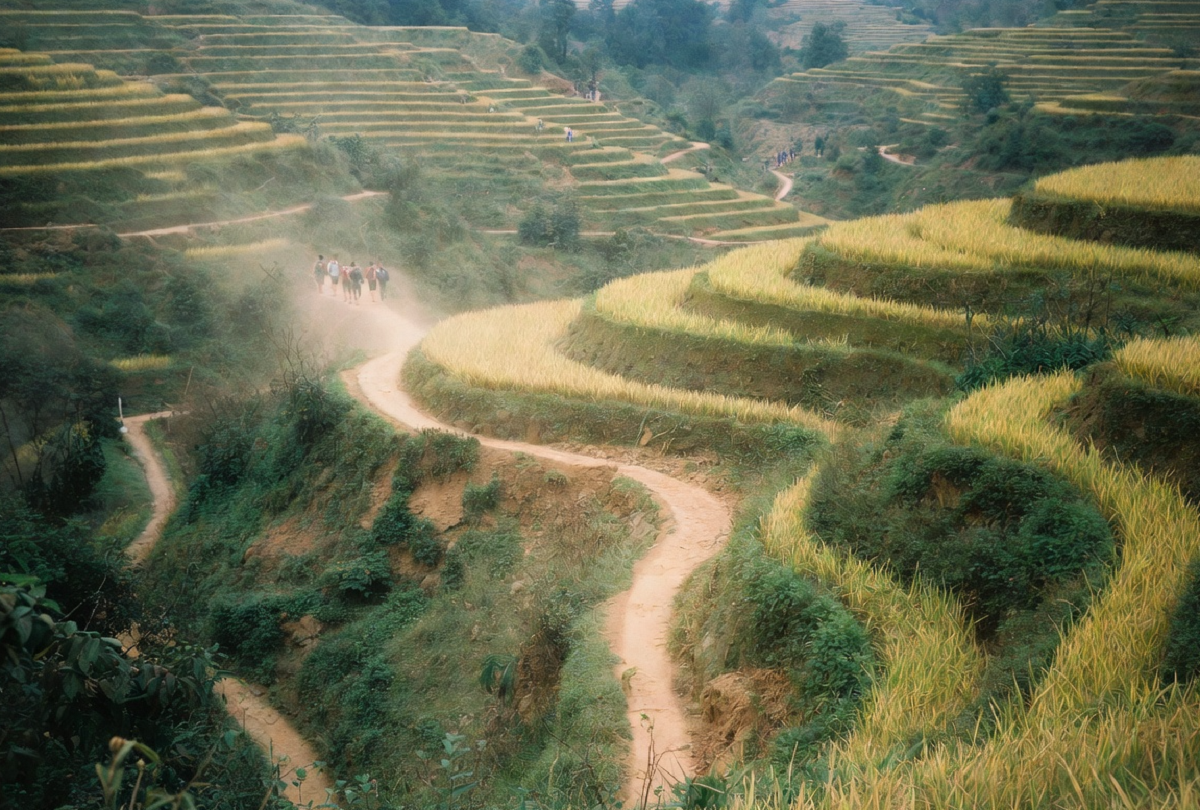
This 2-day Sapa itinerary is meticulously crafted to ensure you experience the best of this stunning region, even without a local guide. It focuses on maximizing your time in Sapa, allowing for comprehensive exploration of the iconic rice terraces, vibrant ethnic minority villages, and breathtaking landscapes around Sapa. The plan balances active trekking in Sapa with opportunities to immerse yourself in local culture, ensuring you have two full days of memorable experiences. From scenic walks through the Muong Hoa Valley to cultural encounters, this Sapa trek promises an enriching Vietnam travel adventure.
Choosing Your Trekking Route
When planning your Sapa trek without a guide, selecting an appropriate trekking route is paramount to ensure both enjoyment and safety. For a 2-day Sapa itinerary, popular options include routes through Cat Cat Village, Lao Chai, and Ta Phin, offering varying levels of difficulty and scenic beauty. These routes showcase the impressive rice fields and provide opportunities to interact with local communities. Researching maps and reading reviews for each specific trekking route will help you determine the best fit for your fitness level and interests, guaranteeing a rewarding trekking experience around Sapa.
Things to Consider When Trekking Without a Guide
Trekking without a guide in Sapa offers immense freedom, but it requires careful preparation. Always carry a reliable map and a fully charged phone with offline maps, as mobile signal can be intermittent in remote areas around Sapa. Inform your accommodation of your planned trekking route and estimated return time. Pack sufficient water, snacks, and appropriate gear for changing weather conditions, as a clear day can quickly turn misty or rainy. While a guided trek might offer more security, being well-prepared is key to a successful and safe Sapa trek without a guide.
Staying in Sapa
Homestay Experiences
For an authentic immersion into the local culture during your 2-day Sapa itinerary, opting for a homestay is highly recommended. Many ethnic minority families in villages around Sapa, such as those in the Muong Hoa Valley or near Ta Phin, open their homes to visitors. This provides a unique opportunity to experience daily life, share meals with your hosts, and gain insights into their traditions. A homestay offers a more personal connection than a typical hotel, making your visit to Sapa truly memorable and enriching your overall Vietnam travel experience.
Hotels and Accommodations
If you prefer more conventional lodging during your 2 days in Sapa, Sapa town offers a wide array of hotels and guesthouses catering to various budgets. From luxurious resorts with panoramic views of the rice terraces to more modest, family-run establishments, there’s something for everyone. Staying in Sapa town provides easy access to local amenities, restaurants, and shops, and can serve as a convenient base for your trekking adventures. Many accommodations can also assist with arranging transportation or even finding a local guide for specific day treks.
Local Cuisine to Try
No visit to Sapa would be complete without indulging in the local cuisine, a highlight of any Vietnam itinerary. Sapa offers a delectable range of dishes, from fresh spring rolls and various noodle soups to unique grilled meats and hearty hotpots, perfect after a long trek. Don’t miss out on trying “Thang Co,” a traditional hotpot, or the famous Sapa salmon. Exploring the local markets in Sapa town is an excellent way to discover fresh ingredients and street food stalls, providing an authentic taste of Northern Vietnam.
Things to Do in Sapa
Exploring Ethnic Minority Villages
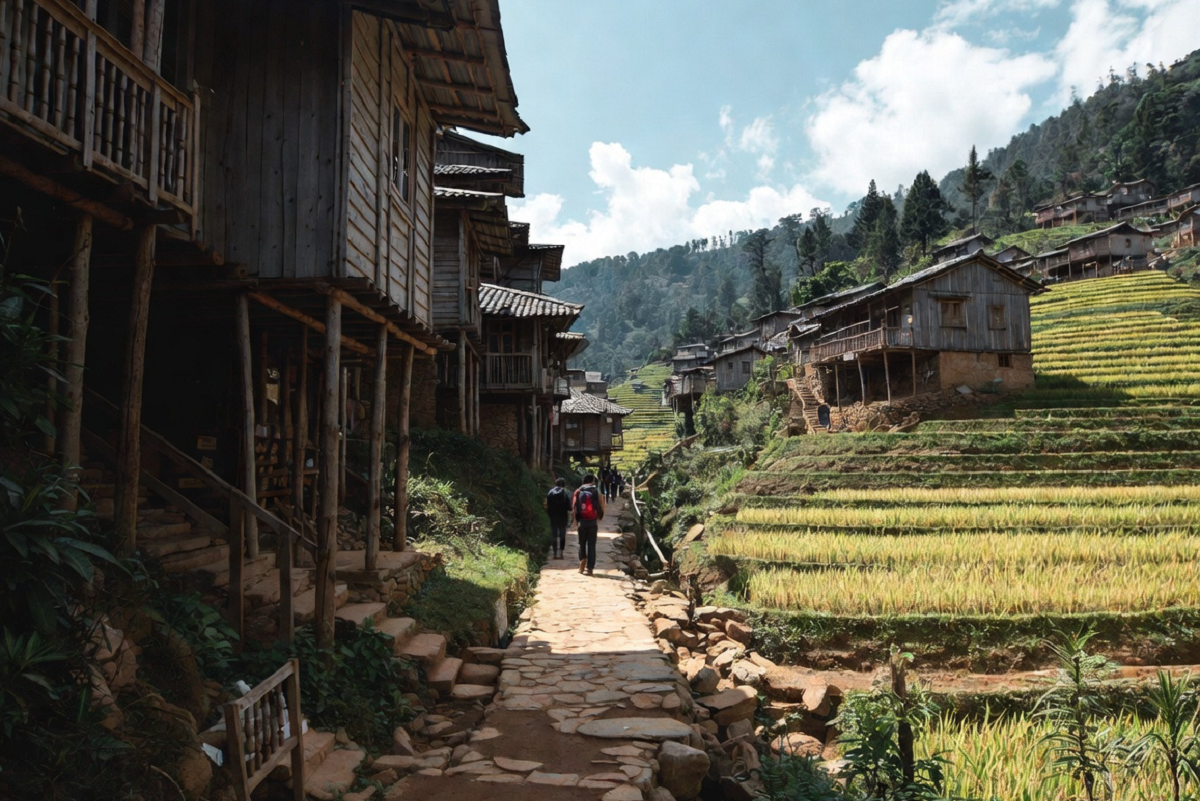
A primary reason many visit Sapa is to explore the vibrant ethnic minority villages scattered throughout the region. During your 2-day Sapa itinerary, a trek to places like Cat Cat Village, Lao Chai, or Ta Phin offers an unparalleled glimpse into the lives of the H’mong, Dao, and other communities. These villages, nestled amidst stunning rice fields, provide opportunities to witness traditional crafts, observe daily routines, and even purchase handmade souvenirs directly from the artisans. Exploring these villages is a quintessential part of any Sapa trek without a guide.
Scenic Views and Photo Spots
Sapa is renowned for its breathtaking natural beauty, making it a paradise for photographers and nature lovers. The iconic rice terraces cascading down the hillsides, particularly vibrant during harvest season, offer countless scenic views and photo opportunities. The Muong Hoa Valley is a must-visit for panoramic vistas, and for those feeling adventurous, a cable car ride up Fansipan, the highest peak in Indochina, provides unparalleled views of the surrounding mountains and valleys. Even on a clear day, the misty landscapes around Sapa offer a mystical charm.
Local Markets and Shopping
Immersing yourself in the local markets is another fantastic thing to do in Sapa during your 2 full days. The Sapa market, especially on weekends, is a bustling hub where various ethnic minority groups gather to trade goods, socialize, and sell their exquisite handicrafts. You can find beautiful textiles, intricate silver jewelry, and traditional clothing, making for perfect souvenirs to remember your Sapa trek. Engaging with the vendors, even without a local guide, provides a genuine cultural exchange and supports the local communities around Sapa.
Tips for Trekking in Sapa
What to Pack for Your Trek
When preparing for your Sapa trek, especially if you plan on trekking without a guide, thoughtful packing is crucial for a comfortable and safe experience. Essential items for your 2-day Sapa itinerary include sturdy, waterproof trekking shoes, layers of clothing to adapt to the rapidly changing weather in Sapa, and a rain jacket, even if it’s a clear day. Don’t forget a small backpack for water, snacks, a first-aid kit, and a power bank for your phone, as finding charging points can be difficult in remote villages. This ensures you’re ready for everything you need to know for your days in Sapa.
Staying Safe While Trekking
Safety is paramount when trekking in Sapa, particularly if you’re undertaking your Sapa trek without a guide. Always inform your homestay hosts or hotel staff of your planned trekking route and estimated return time. Carry a fully charged phone with offline maps, as mobile signal can be unreliable in the more remote areas of the Muong Hoa Valley or around Sapa. Stick to well-trodden paths, especially if you’re not familiar with the terrain, and consider downloading a complete guide to the area. Staying hydrated and carrying sufficient snacks will also help maintain your energy levels throughout your day treks.
Connecting with Local Culture
One of the most enriching aspects of a Sapa trek is the opportunity to connect with the local ethnic minority communities. While trekking through villages like Cat Cat Village, Lao Chai, or Ta Phin, be respectful of local customs and traditions. A warm “hello” or a simple smile can open doors to genuine interactions. Many villagers offer handmade crafts, and purchasing these directly supports their livelihoods. A homestay experience is an excellent way to gain deeper insights into their way of life, providing a unique cultural immersion during your 2 full days in Sapa.
Back to Sapa and Departure
Final Thoughts on Your Sapa Experience
As your 2-day Sapa itinerary draws to a close, take a moment to reflect on the incredible journey you’ve had. From navigating the majestic rice terraces and the verdant Muong Hoa Valley to experiencing the warmth of a local homestay and the vibrancy of the ethnic minority culture, your Sapa trek without a guide has undoubtedly been a memorable Vietnam travel adventure. The breathtaking landscapes and the genuine connections made with the local people leave a lasting impression, making your visit to Sapa truly worthwhile and an essential part of your Vietnam itinerary.
Transportation Options for Departure
Once you’re ready to depart from Sapa, you have several convenient transportation options to get back to Hanoi or continue your Vietnam itinerary. The most common choices are the comfortable overnight sleeper bus, which offers a direct route from Sapa town to Hanoi, or taking a local bus from Sapa to Lao Cai train station, followed by an overnight train to Hanoi. Booking your tickets in advance, especially if you’re short on time or traveling during peak season, is highly recommended to ensure a smooth journey from Sapa back to Hanoi.
Extending Your Vietnam Itinerary
If your Sapa experience has ignited a deeper desire to explore Northern Vietnam, consider extending your Vietnam itinerary. From Sapa, you could venture further north to Ha Giang for an even more dramatic motorbike loop, or explore other captivating destinations near Sapa. Many travelers also combine their Sapa trek with visits to Halong Bay or Ninh Binh, offering a diverse range of landscapes and cultural experiences. This region truly has everything you need to know for an unforgettable and extensive Vietnam travel adventure beyond your 2 days in Sapa.
